

The Sikh Dagger Explained: What Court Heard About the Weapon Used in Henry Nowak's Murder
The Southampton case has reignited debate over knife laws

The weapon carried by Vickrum Digwa on the night he murdered University of Southampton student Henry Nowak has become a central focus of the case, raising questions about Sikh religious blades, UK knife laws, and the events that led to the 18-year-old's death.
During the trial at Southampton Crown Court, jurors heard detailed evidence about the large bladed weapon Digwa carried openly through Southampton before fatally stabbing Nowak. The case has since sparked debate within Sikh communities, among politicians and across social media.
What Was the Sikh Dagger Used in the Murder?
The court heard that Digwa was carrying a 21 cm (8-inch) bladed weapon described as a large Sikh dagger, or shastar, when he encountered Henry Nowak in Southampton on 3 December 2025.
The blade was significantly larger than a traditional kirpan, the ceremonial article of faith carried by initiated Sikhs. While Digwa claimed the weapon was part of his religious practice, Sikh organisations later argued it should not be confused with a standard kirpan, which is typically much smaller and symbolic.

Evidence showed Digwa was also wearing a separate smaller kirpan around his neck beneath his clothing. Prosecutors argued there was no religious necessity for the larger weapon, while prosecutor Nicholas Lobbenberg KC later described Digwa as 'weapons-obsessed.'
The jury ultimately rejected any suggestion that the stabbing was justified or connected to religious practice.
How the Fatal Encounter Unfolded
Henry Nowak, an 18-year-old first-year finance and accountancy student, was walking home after a night out with university football teammates when he encountered Digwa near Belmont Road in Portswood.
Jurors watched Snapchat footage recorded by Nowak shortly before the attack. After noticing the visible blade, he jokingly called Digwa a 'bad man.'
'I am a bad man,' Digwa replied.
Moments later, the situation turned deadly.
The court heard Digwa chased Nowak and stabbed him five times, including a fatal wound to the chest. Blood evidence showed the teenager attempted to escape, climbing over bins and fences while calling for help.
Digwa then filmed Nowak as he fled and lay dying, a factor the judge later cited during sentencing.
Why the Weapon Became a National Talking Point
The murder has triggered wider debate about religious blade exemptions in the UK and the distinction between a kirpan and larger ceremonial weapons.
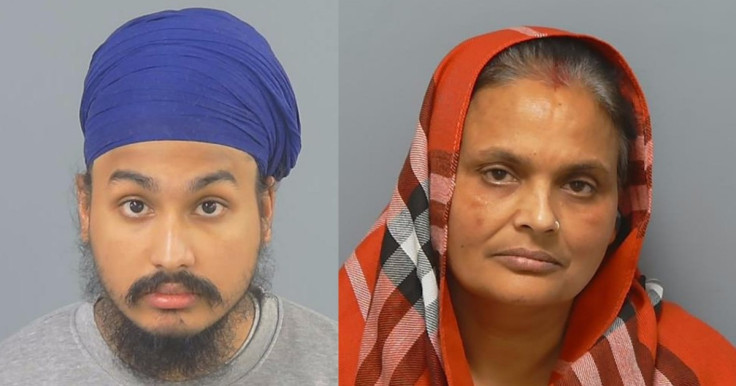
Sikh leaders stressed that the case should not be used to stigmatise Sikh religious practices. Many pointed out that UK law allows Sikhs to carry kirpans for religious reasons, but any blade used in violence becomes a criminal matter.
Judge Mousley said Digwa's actions had caused concern within the Sikh community and wrongly associated a faith-based symbol with a brutal crime.
Murder Conviction and Ongoing Questions
Digwa was convicted of murder on 28 May 2026 and sentenced to life imprisonment with a minimum term of 21 years.
The case has remained in the headlines following the release of police bodycam footage showing officers initially accepting Digwa's false claim of self-defence and handcuffing the dying teenager.
Hampshire Police later apologised, while the Independent Office for Police Conduct launched an investigation into the officers' actions.
For Henry Nowak's family, however, the focus is still on the young student whose life was cut short. 'He did not die with dignity,' his father said after the verdict, as calls continue for accountability over both the killing and the response that followed.
© Copyright IBTimes 2026. All rights reserved.