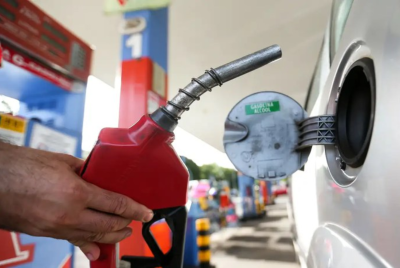
Near $30BN Military Tab Stokes Petrol Surge With Consumers Accusing Fuel Retailers of Price Gouging Amid Price Variation
US-Iran conflict costs rise, impacting fuel prices and sparking consumer complaints

The Pentagon has revised its estimate for the US conflict with Iran to about $29 billion (£21.31 billion), a figure officials say reflects updated repair, replacement and operational costs. Critics argue the spiralling bill is filtering through to higher fuel prices and fresh complaints of fuel price gouging. The new estimate, delivered to US lawmakers during congressional testimony, follows an earlier Pentagon figure of $25 billion (£18.55 billion) published at the end of April.
The expanded cost assessment comes as motorists and consumer groups report rising pump prices and localised price variations, which some customers attribute to opportunistic pricing by fuel companies rather than solely to international market movements or supply‑chain factors. Analysts and campaigners warn that the war's impact on energy markets may heighten political pressure over fuel regulation and retailer behaviour.
War Cost Spurs Pump Price Moves
Pentagon officials told lawmakers the war's tab had climbed to roughly $29 billion (£21.31 billion), up from an earlier $25 billion (£18.55 billion) estimate, as joint staff and comptroller teams reassessed equipment repair and replacement needs and ongoing operational expenses.
According to testimony, the increase reflects delayed maintenance, munitions expenditure and additional theatre logistics, with the comptroller saying the department continues to review costs and pointing to evolving operational tempos as a key driver of near‑term spending.
Officials emphasised the figure is a departmental, short‑term tally rather than a comprehensive economic estimate. Energy markets reacted after hostilities escalated in late February, producing a pronounced 'gas price surge' as crude benchmarks rose and wholesale petrol and diesel costs climbed; market analysts linked the moves to disrupted supply routes and heightened geopolitical risk.
Increased freight insurance premiums, temporary rerouting of tankers and tighter short‑term refinery margins also fed into wholesale price moves, industry commentators said, amplifying effects at the forecourt in some regions.
Consumers Allege Fuel Price Gouging
Motoring groups and consumer organisations have documented wide regional differences at the pump and say some retailers appear to be increasing margins beyond what wholesale movements would justify, describing the behaviour as 'price gouging' that merits investigation.
Campaigners point to abrupt, localised price spikes they argue cannot be explained solely by national wholesale averages. The body representing UK fuel retailers has previously insisted that higher pump prices largely reflect increased wholesale and logistics costs rather than profiteering, but regulators say they are watching for abuses.

The Petrol Retailers' Association and other trade bodies reject blanket allegations, noting that many outlets buy supplies in advance and hedge to manage volatility — a practice that can create temporary disparities at the pump and obscure short‑term margin movements.
Regulators in several jurisdictions say they are monitoring forecourt pricing and will investigate credible claims of unfair practices.
Political and Fiscal Reactions
Members of Congress pressed Pentagon witnesses for a fuller accounting at the hearing, warning that the conflict's fiscal burden could complicate domestic budget planning and intensify scrutiny of defence spending.
Reporting from the hearing quoted officials and analysts who said the near‑term $29 billion (£21.31 billion) total captures immediate operational and equipment costs but likely underestimates long‑tail exposures from reconstruction and indirect impacts — the wider war impact that could emerge over time. Officials named included acting comptroller Jules Hurst and Defence Secretary Pete Hegseth.
Price Variation and Household Impact
Data compiled since hostilities escalated show petrol prices rising from pre‑war levels in several markets, increasing transport costs for households and feeding into broader inflationary pressures. Consumer groups say sharp, short‑term spikes in particular localities can amplify affordability problems for lower‑income drivers and small businesses.
Industry bodies note that supply remains broadly stable even as prices climb, but acknowledge volatility is likely to persist while geopolitical risks remain elevated.
© Copyright IBTimes 2026. All rights reserved.
- Recommended For You