Pete Hegseth Praises 'Unleashed Military Spirit' Amid Navy Sailors Leaking Photos of Meal Shortages and Poor Rations
The Pentagon faces a burgeoning morale crisis as viral images of sparse meals from the USS Abraham Lincoln clash with official claims of a 'fully portioned' military

The US Navy is grappling with a growing transparency crisis as service members on active deployments bypass official channels to expose what they claim are critical food shortages.
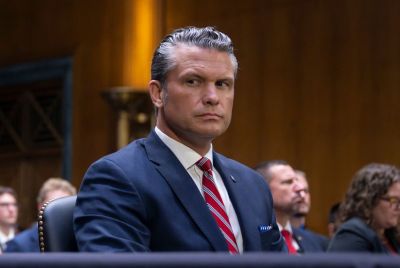
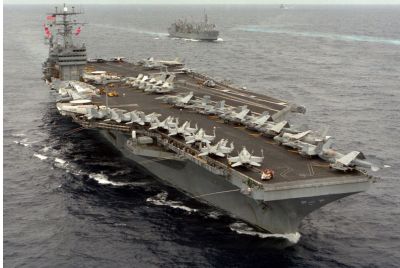
Pictures allegedly taken aboard the USS Abraham Lincoln and the USS Tripoli have flooded social media, showing sparse portions of processed meat and nearly empty trays. These leaks have triggered a fierce rebuttal from senior figures, including US Secretary of War Pete Hegseth, who has praised the 'unleashed military spirit' while simultaneously dismissing the reports as a manufactured narrative.
On Wednesday, 29 April 2026, Hegseth explicitly labelled the allegations 'fake news', insisting that the vessels are well-stocked and mission-ready. However, the contrast between official kitchen photos and the gritty images shared by sailors has ignited a global debate over US military living conditions and the welfare of those on the front lines.
(Morale is so low that soldiers are leaking photos of the meals they're being fed amidst shortages on Navy ships) https://t.co/B6yRkg0zcT pic.twitter.com/AP07FEt80d
— Headquarters (@HQNewsNow) April 29, 2026
Viral Photos And Family Concerns Fuel The Debate
The controversy gained traction after images reportedly taken aboard the USS Abraham Lincoln and the USS Tripoli began circulating online. The photos appear to show minimal food portions, including small portions of vegetables and processed meat, and nearly empty trays.
According to reporting cited in the segment, including USA Today coverage, these images were allegedly shared by US naval personnel with their families. Those families, increasingly worried, then brought the issue to public attention.
Some relatives described going so far as to prepare care packages to support their loved ones at sea. However, concerns grew when those packages reportedly faced delays, raising further questions about logistics and supply chains.
One parent, identified only as Dan, shared that his daughter aboard the USS Tripoli described rationing food, limited access to fresh produce, and even shortages of basic hygiene products. The account added a human dimension to the broader military morale controversy, highlighting how conditions at sea directly affect both service members and their families.
Official Denials From Washington
In response, US officials moved quickly to reject the claims. Statements attributed to the Office of the Chief of Naval Operations insisted that reports of Navy ration problems were false, emphasising that sailors continue to receive 'fully portioned and nutritionally balanced meals.'
Hegseth reinforced that position, calling the allegations 'fake news' and stating that both the USS Tripoli and USS Abraham Lincoln have more than 30 days' worth of food on board. He added that US sailors 'deserve and receive the best,' aligning with broader Pete Hegseth military comments that frame the armed forces as well-equipped and mission-ready.
The US Navy also shared official images showing full meal trays, active kitchen operations, and stocked food supplies. The messaging was clear, there were no interruptions, no shortages, and no cause for concern.
Fake news. https://t.co/mA6fyXyUtU
— MiMi ♥️🇺🇸 (@MiMiLooLooTx) April 29, 2026
A Growing Information Battle Online
Despite these denials, the situation has continued to escalate, largely due to the speed and reach of social media. What might once have remained an internal issue has now become part of a global conversation.
Coverage from France 24 highlighted how the story has taken on geopolitical overtones. As noted in the broadcast, international actors are 'taking this opportunity to repost those photos and take a little jab at Washington there as well,' turning the controversy into a tool for criticism beyond US borders.
This development adds another layer to the issue. It is no longer just about alleged military food quality issues, but also about how such narratives are used in global discourse.
What This Means for Military Readiness
Food is not a minor logistical detail. It is central to operational effectiveness, morale, and trust within the ranks. Even the perception of inconsistency can have ripple effects, particularly in high-pressure environments like naval deployments.
The current debate raises important questions. Are these images isolated incidents amplified by social media, or do they point to deeper challenges within the US Navy's meal shortages and supply systems?
For international observers, the story resonates because it touches on universal concerns, how institutions care for those on the front lines, and how transparent they are when issues arise.
Context Matters, and So Does Verification
As the situation develops, careful reporting remains essential. Viral content can sometimes lack full context, and official responses may not immediately address every concern raised.
What is clear, however, is that the gap between perception and messaging is driving engagement. The 'Unleashed Spirit vs. Empty Plates' framing works because it captures a tension that is easy to understand but difficult to resolve.
The current dispute leaves the public with two conflicting realities. Either the viral photos lack the necessary context of a single bad meal, or the official denials are masking a deeper failure in the US Navy's logistics.
As the 'Unleashed Spirit' rhetoric continues to dominate official airwaves, the families of those at sea remain the most vocal advocates for a change in how the military manages its most basic resource.
© Copyright IBTimes 2026. All rights reserved.
- Recommended For You