

Sam Altman: AI Isn't the Real Reason Behind Layoffs
Sam Altman of OpenAI discusses the complex relationship between AI and job losses in the tech industry

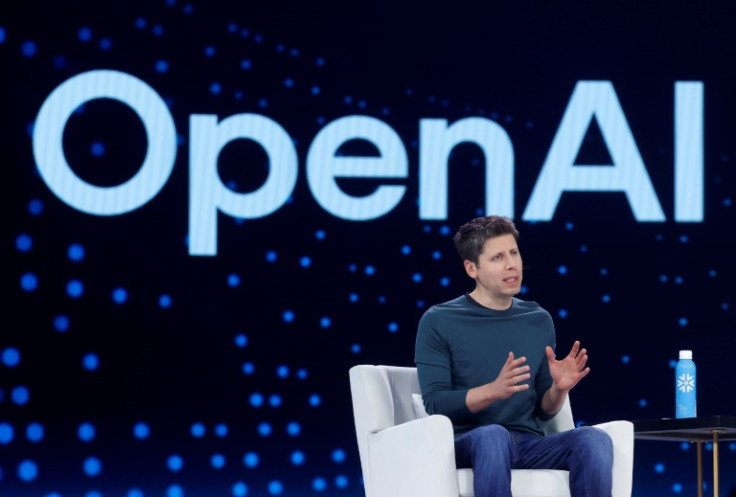
Artificial intelligence is increasingly being blamed for job losses across the global tech sector. As companies cut roles while investing heavily in automation, the narrative often appears straightforward: AI is replacing workers.
But Sam Altman, chief executive of OpenAI, says the reality may be more complex. Speaking at the India AI Impact Summit 2026 and later in interviews, Altman suggested that some companies may be overstating AI's role in layoffs—a phenomenon he described as 'AI washing.'
What Altman Means by 'AI Washing'
Altman's argument is not that AI has no impact on jobs. Instead, he suggests it is sometimes used as a convenient explanation for workforce reductions that might have happened anyway. 'There's some AI washing where people are blaming AI for layoffs that they would otherwise do,' he said.
In his view, many layoffs still stem from familiar pressures such as restructuring, cost-cutting and shifting business models. Framing them as automation-driven can make the decisions appear inevitable rather than strategic.
Layoffs and the Tech Sector Narrative
In recent months, major companies including Google, Amazon and Tata Consultancy Services have cut thousands of roles while simultaneously investing in artificial intelligence.
For many workers, the overlap between layoffs and AI investment has reinforced the perception that automation is directly driving job losses. However, Altman argues that the link is not always as direct as it appears.
What the Data Shows
Data shows a more nuanced picture: while AI accounted for an estimated 55,000 layoffs in 2025, this represented less than 1% of total job cuts.
The majority of reductions were still driven by economic slowdowns, corporate restructuring, and efficiency initiatives rather than automation alone. However, the narrative of AI as a job-replacing force continues to gain traction, amplified by media coverage and high-profile company announcements.
This perception not only shapes public debate but also affects employee sentiment, influencing career decisions, workforce planning, and even government policies on technology and labor. Ultimately, the fear of AI-driven job loss often exceeds the reality reflected in the data, highlighting the need for a more informed discussion about its true impact.
A Divided AI Industry
Not all leaders in the AI sector share Altman's relatively measured outlook.
Dario Amodei, CEO of Anthropic, has warned that it is not guaranteed AI will create as many jobs as it displaces. Meanwhile, Mustafa Suleyman, who oversees AI efforts at Microsoft, has suggested that white-collar disruption could arrive much sooner than many expect. These differing views reflect the broader uncertainty surrounding AI's long-term impact. While the technology is advancing rapidly, its real-world effects are uneven across industries and roles.
An Unfinished Story
Altman's comments highlight a wider debate about how artificial intelligence will reshape employment. While automation is already changing how work is done, the scale and speed of disruption remain unclear.
What is certain is that the relationship between AI and jobs is still evolving. Some layoffs may be directly tied to automation, while others reflect longstanding economic cycles reframed in technological terms. As with previous technological shifts, the full impact of AI on the workforce is likely to emerge gradually — shaped not only by innovation, but also by business decisions, policy responses and labour market adaptation.
© Copyright IBTimes 2026. All rights reserved.