AI Memory Boom Backfires on Apple: Stock Drops Nearly 5% After Mac and iPad Price Hikes
AI demand is lifting chipmakers but pushing higher component costs onto Apple customers and investors.

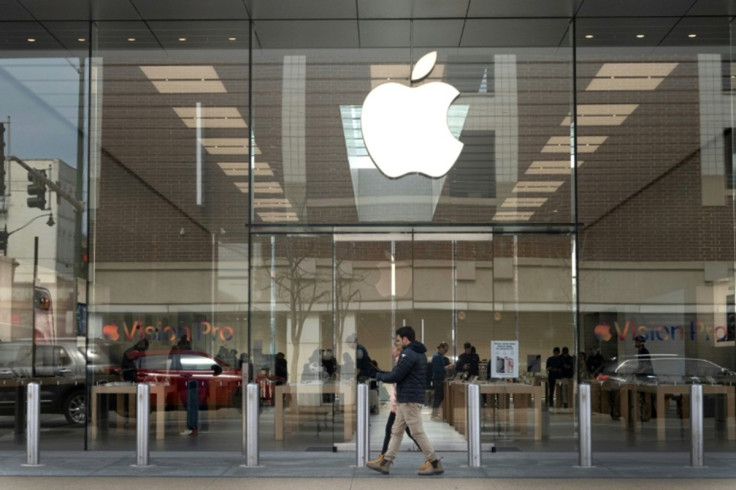
Apple's near-5 per cent stock slide wiped almost $200 billion off its market value after the company hiked prices on key Mac and iPad models, as soaring memory costs from the artificial intelligence boom squeezed its hardware margins and forced those higher costs onto consumers.
The move underscores a new risk from the AI cycle: chipmakers supplying high-end memory are enjoying record demand, while device makers that depend on those components are being hit with sharply higher bills.
Apple Pushes Through Mac And iPad Price Hikes
Apple raised prices across parts of its Mac and iPad line-up as the company faces higher costs for memory chips and other components. The MacBook Pro with 1TB storage increased by $300 to $1,999, while the iPad Pro Wi‑Fi 256GB rose by $200 to $1,199. The entry-level MacBook Neo also increased by $100 to $699.
Apple has increased prices for iPad, Mac, HomePod, Apple TV, and Apple Vision today.
— Beta Profiles (@BetaProfiles) June 25, 2026
iPhone, Apple Watch, AirPods, Studio Display, and accessories remain unchanged. pic.twitter.com/slpogolZ39
Apple has pointed to higher component costs as the reason behind the changes. Chief executive Tim Cook said the price adjustments were 'unavoidable' as the company faced rising expenses, while indicating that Apple had attempted to absorb costs before passing some increases on to customers.
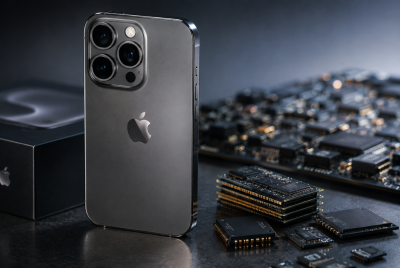
The changes come as demand for memory chips accelerates across the technology industry, driven largely by artificial intelligence infrastructure spending. AI data centres require large amounts of advanced memory and computing hardware, tightening supply conditions across the semiconductor market.
Apple Stock Slides As Demand Fears Surface
Apple shares dropped sharply following the announcement as investors weighed whether higher prices could affect demand for the company's devices.
As of 7.21pm BST on Thursday, Apple shares were trading at $279.81 (£205.20), down 4.56 per cent or $13.36 (£9.80) on the day, based on Google Finance data.
Market commentary platform The Kobeissi Letter, which tracks global markets and investor flows, described the move as an early sign that AI-related cost pressures are reaching consumers. 'This was the first big sign of what we are calling AI-flation,' The Kobeissi Letter wrote on X, referring to inflationary pressure linked to AI-driven demand.
The account said the share decline reflected investor concerns over whether rising prices could affect future demand.
AI Boom Tightens Supply Chains And Lifts Costs
The price increases come as the semiconductor industry experiences one of its strongest demand cycles in years. Companies developing AI infrastructure have increased demand for advanced chips, creating tighter supply conditions for memory manufacturers and raising costs for companies that use those components in consumer electronics.
The contrast has created a split within the technology sector. Chipmakers supplying AI infrastructure have benefited from rising demand, while hardware companies such as Apple face higher input costs.
Bull Theory, an equities-focused market commentary account, pointed to that imbalance after Apple's announcement. 'The same memory shortage driving costs up across the industry is also pushing Micron's stock to all time highs,' Bull Theory wrote on X, adding that Apple was passing higher memory expenses through to consumers.
The account also highlighted uncertainty around Apple's future chip supply arrangements, although Apple continues to rely heavily on major semiconductor partners including Taiwan Semiconductor Manufacturing Company (TSMC).
Will Apple Customers Stomach Higher Prices?
The stock reaction has also raised questions about whether Apple's customers will accept higher prices or delay purchases. Gene Munster, a technology analyst and managing partner at Deepwater Asset Management, argued that the market reaction may have been excessive.
'$AAPL trading down 5% on the news of an average Mac weighted price increase of about 17% feels like an overreaction on fears of demand destruction,' Munster wrote on X. Munster said Apple's ecosystem and customer loyalty could reduce the impact of price increases, noting that many users remain tied to Apple's products and services.
He added that the longer replacement cycle of devices such as Macs could soften the effect of higher upfront prices for some consumers.
Investors Gauge How Far AI Cost Pressures Will Spread
Apple's price increases have become a test of whether the AI boom will create broader cost pressures beyond chip manufacturers and data centre operators.
The company has not increased prices across its entire product range, and the impact on demand remains uncertain. Investors will be watching whether higher memory costs remain limited to Macs and iPads or begin affecting other parts of Apple's hardware business.
The market reaction reflects a wider tension in the AI investment cycle: the companies building the infrastructure are benefiting from massive demand, while companies dependent on those same components are now facing the cost of that boom.
© Copyright IBTimes 2026. All rights reserved.
- Recommended For You