

'Cannot Be Ignored': Judge Zia Faruqui Says Rushed Ex-FBI Case Was Timed To 'Impact the Midterm Elections'
A failed prosecution of two former FBI officials has intensified scrutiny of the Justice Department's independence under Donald Trump
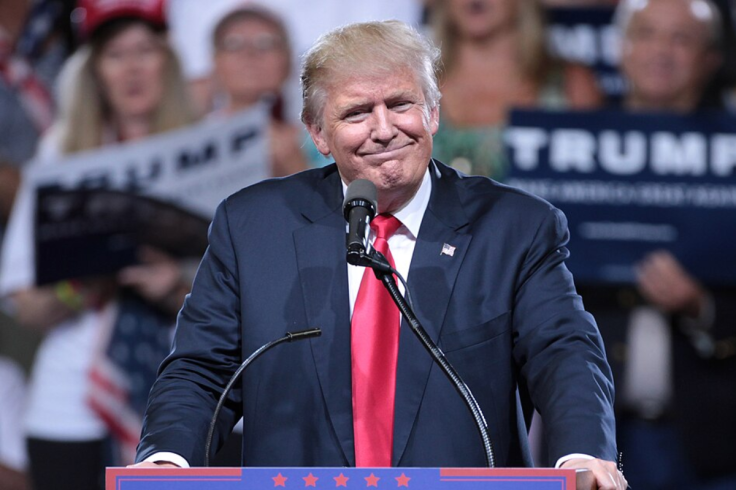
US Magistrate Judge Zia Faruqui has accused federal prosecutors of rushing a criminal case to appease President Donald Trump and sway the midterm elections.
In a 48-page written opinion issued on Tuesday, 24 November 2026, Faruqui criticised the Justice Department's handling of the Washington, DC, prosecution. The opinion explains his 2 November decision to dismiss charges against former FBI officials Nikki Floris and Bradley Benavides. Prosecutors had accused them of making false statements to Congress in 2023 about FBI investigations into Hunter Biden.
Faruqui found that prosecutors had failed to establish probable cause that either former official knowingly made false statements. He also concluded that political considerations had influenced the timing of the prosecution.
Judge Zia Faruqui Links Donald Trump To Rushed FBI Prosecution
During a national address on 16 July, Trump called for investigations into the alleged suppression of intelligence on Chinese interference in the 2020 election.
The president also called for criminal charges where appropriate. According to testimony in court, FBI Director Kash Patel assigned the investigation to the bureau's Kansas City field office the following day.
Floris previously led the FBI's Foreign Influence Task Force as a deputy assistant director. Benavides served as a section chief in the same unit, which worked to counter foreign threats to US elections.
Both were interviewed by the House Judiciary Committee in 2023. Prosecutors later alleged that their statements about the Hunter Biden investigations contradicted internal FBI records, communications and witness accounts.
The original criminal complaint was filed on 20 October. The Justice Department publicly announced the charges on 23 October, just 11 days before Americans voted in the midterm elections.
Faruqui questioned the urgency of bringing criminal charges in response to statements made three years earlier. He identified no imminent legal deadline that required prosecutors to act.
Instead, the judge concluded that prosecutors had accelerated the case to appease Trump and to gain political advantage ahead of the elections.
Section 9-85.500 of the Justice Manual prohibits federal prosecutors and investigators from deliberately timing enforcement actions to influence elections or confer political advantage.
Donald Trump Administration Faces Scrutiny Over Prosecutorial Independence
Prosecutors initiated the case through a criminal complaint rather than a grand jury indictment. Although legally permissible, the procedure drew criticism from Faruqui given the circumstances surrounding its use.
It allowed prosecutors to publicise the criminal allegations before obtaining a grand jury indictment.
Faruqui also identified investigative errors and distinguished between potentially inaccurate recollections and knowingly false statements. He concluded that prosecutors had failed to meet the evidentiary threshold required for the case to proceed.
The judge said the prosecution undermined the Justice Department's stated commitment to independence and impartiality. His criticism addressed prosecutorial conduct and did not amount to a finding that Trump had committed an election-related criminal offence.
Following the 2 November dismissal, the Justice Department said it disagreed with Faruqui's decision and was evaluating its legal options. It maintained that prosecutorial decisions would be guided by evidence and law rather than political considerations.
Meanwhile, lawyers representing Floris welcomed Tuesday's written opinion, calling the case a 'rushed, error-ridden, and politically motivated prosecution that never should have been brought'.
The dismissal, however, does not necessarily mark the end of the legal proceedings. Under Rule 5.1 of the Federal Rules of Criminal Procedure, prosecutors may pursue subsequent charges, including by seeking a grand jury indictment.
Neither former official was convicted in the proceedings that were dismissed. The ruling was based on insufficient probable cause rather than an acquittal following a criminal trial.
© Copyright IBTimes 2026. All rights reserved.