

Stephen Miller Will Likely Advise Jensen Huang To Skip Congress, National Security Correspondent Says
NVIDIA's returning chief executive faces a congressional reckoning as national security concerns intersect with presidential confidentiality
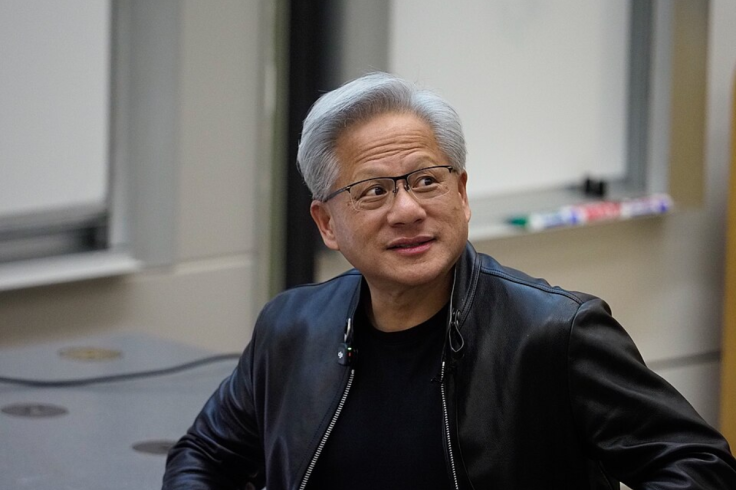
NVIDIA chief executive Jensen Huang is scheduled to appear before US lawmakers in December amid concerns over exports of advanced artificial intelligence chips to China. The company's board reinstated him on 23 November after reports of a foreign intelligence effort targeting him.
Huang has agreed to a transcribed interview with three House committees on 1 December. He is also scheduled to testify at a public Senate Banking Committee hearing on 3 December.
The House Permanent Select Committee on Intelligence announced on 17 November that Huang and NVIDIA's general counsel, Tim Teter, had voluntarily agreed to appear. Teter's transcribed interview is scheduled for 2 December. The Senate hearing, 'Protecting America's AI Advantage: Oversight of US Export Controls', is set to begin at 10 a.m.
Jensen Huang's Congressional Testimony Follows NVIDIA Reinstatement
NVIDIA announced on 23 November that its board had unanimously reinstated Huang as president, chief executive and director. It said the board had received input from senior US government officials and was confident that his return posed no national security risk.
NVIDIA said an independent-director committee's investigation into the reported foreign intelligence effort would continue, with outside counsel engaged. A separate National Security and Export Control Committee will oversee trade compliance and national security risks.
Huang said he supported the investigation and was committed to cooperating. NVIDIA also pledged to assist ongoing government inquiries.
The reinstatement drew criticism from Democratic Sen. Elizabeth Warren, who called it a 'reckless decision'. She said Huang, NVIDIA executives and the board still owed Congress answers on the company's compliance with US export controls. Warren also urged the Trump administration to explain what input senior officials had provided to the board.
Jensen Huang Inquiry Names Stephen Miller in Records Request
The scrutiny follows a letter dated 11 November from Warren and Sen. Chris Coons, asking White House chief of staff Stephen Miller, Commerce Secretary Howard Lutnick and Secretary of State Marco Rubio to preserve records on NVIDIA's advanced AI chip exports to China and related national security risks.
The senators cited reports of a suspected Chinese intelligence operation involving a person alleged to have had a relationship with Huang. They also raised concerns about the possible diversion of NVIDIA chips to China and the government's response. Those claims remain allegations, not findings that Huang knowingly assisted espionage or authorised unlawful transfers.
The debate over congressional access has also drawn attention to Executive Order 14438, signed by President Donald Trump on 20 November. It requires federal contractors and subcontractors to notify the White House and contracting agencies of congressional requests regarding their work or communications with the executive branch.
They must follow instructions to withhold communications identified as protected by executive privilege.
The order does not name NVIDIA or Huang, and its publication does not establish that it was intended to shield the company from scrutiny.
A Justice Department Office of Legal Counsel memorandum dated 10 August states that executive privilege may cover certain confidential communications with private advisers when those communications relate to official presidential decision-making and involve the president or direct advisers.
The memorandum is the department's legal interpretation, not a court ruling that grants corporate executives immunity from testifying.
No publicly available document cited here establishes that the order exempts Huang from answering questions. Whether officials will assert privilege over any specific communication remains unresolved.
© Copyright IBTimes 2026. All rights reserved.