

Donald Trump Orders DOJ to Investigate Democrats and Threatens Jail as House Oversight Prepares Probes
A president's demand for criminal investigations collides with Congress's authority to hold the White House accountable
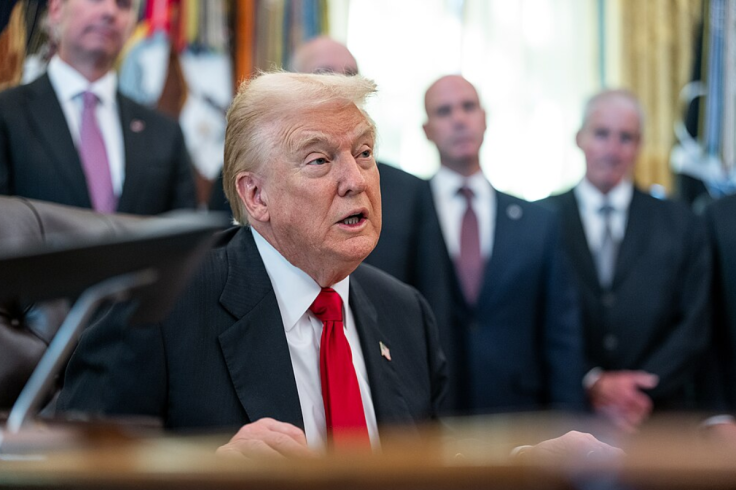
President Donald Trump called for a Justice Department investigation of Democratic lawmakers and suggested they should be jailed after the 3 November 2026 midterm elections. But Attorney General Todd Blanche said on 12 November that no criminal inquiry into lawmakers' oversight remarks was under way. Democrats are preparing to control both chambers of Congress in January.
The dispute began with Trump's 7 November Truth Social post accusing Democrats of threatening administration officials and Republican donors with punishment. 'The imprisonment should be against these EXTORTIONISTS,' he wrote, saying he was ordering the Department of Justice (DOJ) to investigate. He provided no evidence that the lawmakers had committed extortion.
Blanche's subsequent clarification drew a distinction between political confrontation and criminal conduct. 'There's no ongoing investigations, criminal investigations, into words that incoming senators or congressmen have said,' he told reporters. He said criticism of Trump was lawful and acknowledged that he had not determined Democrats had crossed a criminal threshold.
The attorney general nevertheless argued that threats could become criminal in certain circumstances. He did not rule out future investigations if conduct crossed that threshold.
Donald Trump's White House Warns Incoming Oversight Chairman
The White House had already delivered a formal warning to Representative Robert Garcia, the senior Democrat on the House Oversight and Government Reform Committee. In a three-page letter dated 9 November, presidential counsel William O. Scharf argued that congressional investigations must serve a legitimate legislative purpose.
Scharf said efforts to intimidate executive officials 'may cross the line into blatant criminality'. He also suggested that unlawful subpoenas designed to deprive citizens of their rights could warrant investigation. The letter did not identify a criminal charge against Garcia or establish that his proposed inquiries were unlawful.
Garcia, who is expected to chair the committee in January, has told Trump officials to 'lawyer up'. In a statement on 11 November, he rejected Scharf's warning and defended Congress's constitutional authority.
'We are a co-equal branch of government,' Garcia said, adding that Democrats would not be deterred by threats from the administration. His response cited Article I of the Constitution as the basis for congressional oversight.
Congress can seek records and question officials to support legislation, but those powers have limits. Courts can hear challenges to subpoenas, and a disputed demand for documents is not automatically a criminal offence.
Donald Trump Faces Democratic Probes and a Legislative Standoff
Garcia has identified immigration enforcement and the Justice Department's handling of Jeffrey Epstein-related records among his oversight priorities. On 10 November, he criticised a Republican report on the Epstein investigation and called for public hearings. These are proposed inquiries, not findings that Trump or his associates committed offences.
Senator Richard Blumenthal separately renewed document requests on 5 November concerning donations to Trump's White House ballroom project and immigration enforcement. His letters sought information rather than announcing criminal charges.

White House spokeswoman Lauren Bis said Trump was willing to work across party lines, but accused Democrats of planning 'sham investigations'. Her remarks reflected an administration preparing for sustained scrutiny as well as legislative opposition.
Reuters reported on 1 November that Stephen Miller and budget director Russ Vought had helped draft possible executive measures on immigration, tariffs and spending. Miller was appointed White House chief of staff on 6 November. Such measures would remain subject to legal limits and possible court challenges.
© Copyright IBTimes 2026. All rights reserved.