Massachusetts Governor Maura Healey Signs Controversial Law Removing All Time Limits On Late-Term Abortions
Governor Healey signs law allowing physician discretion for late-term abortions
Massachusetts has erased the gestational line that stood in its abortion law for decades, and in doing so has walked straight into one of the fiercest arguments in American politics.
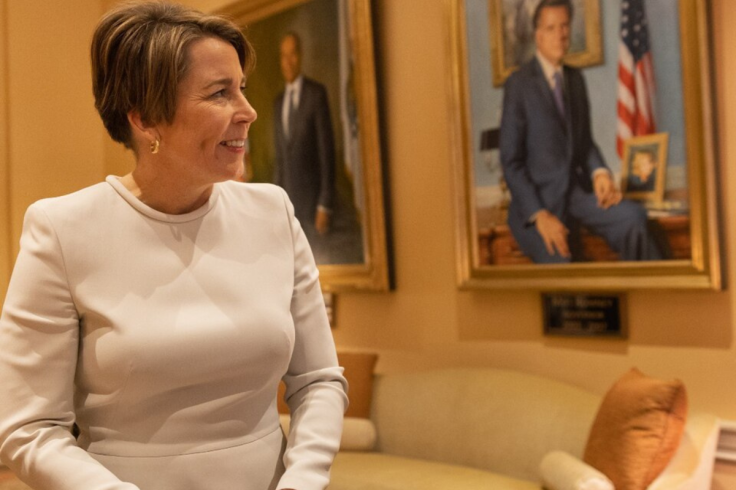
Governor Maura Healey signed legislation on Monday that strips out the state's statutory time limit on abortion, replacing a detailed set of conditions governing procedures at or after 24 weeks with a single standard: the professional judgment of a physician.
Supporters say the change spares families facing catastrophic late-pregnancy diagnoses from being forced out of state during the worst moments of their lives; opponents call it a radical removal of protection for viable unborn children.
What the Prioritising Patient Access To Care Act Changes
The mechanics of the law are more specific than the headlines around it. Previously, Massachusetts permitted abortion after 24 weeks only under a four-part framework, when it was necessary to preserve the patient's life or physical or mental health, or in cases of a lethal or severe fetal abnormality.
The new law, designated H.5595, removes that framework and states instead that 'an abortion may be performed by a physician based upon the professional judgment of the physician'.
In practice, that shifts the decision on later abortions from a legal test to a medical one, giving doctors discretion to act on their clinical assessment without weighing whether a given case fits a statutory category.
The change makes Massachusetts one of 10 states with no gestational limit written into law, according to the health-policy organisation KFF, alongside a strengthening of the state's shield law protecting providers and patients from out-of-state investigations.
The scale of what the law touches is narrow in raw numbers. State Department of Public Health data recorded 99 abortions at 24 weeks or later in Massachusetts in 2024, out of tens of thousands performed in total, a figure that underscores how rare later procedures are even as they dominate the political debate around them.
The Case Healey Made, and the Family Behind It
Healey framed the signing as a matter of keeping medical decisions out of the courtroom. 'We believe that health care decisions should be made between women and families and their doctors, not politicians,' the governor said at the State House event, casting the law as a shield against a national landscape reshaped by the Supreme Court's 2022 reversal of Roe v Wade.
Massachusetts Gov Maura Healey signs Bill for abortions — allowed up until BIRTH pic.twitter.com/fVqX8MTNc1
— RT (@RT_com) August 11, 2026
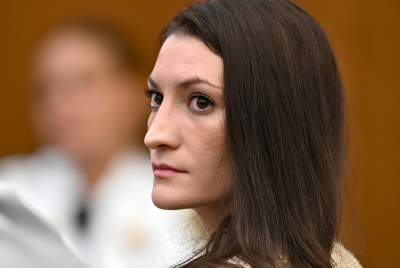
The human argument for the bill was delivered by Kate Dineen, who spoke at the signing alongside her husband.
Dineen has described learning at nearly 33 weeks that the child she was carrying had suffered a catastrophic and irreversible medical event, and being unable to obtain care in Massachusetts under the old rules, forcing the couple to travel out of state during an already devastating loss. Supporters point to cases like hers to argue that the previous framework, however well intentioned, trapped grieving families in legal limbo.
The bill moved with unusual speed for such a contentious measure. Filed at the start of the two-year session by Representative Christine Barber, it advanced from committee on 22 July and was pushed through both chambers within days, clearing the House by 119 votes to 33 before reaching Healey's desk. It takes effect in 90 days.
The Backlash and the Fight Still To Come
Opponents have framed the law in starkly different terms. The Massachusetts Family Institute urged the governor to veto what it called 'radical late-term abortion', warning that the bill would remove 'virtually all remaining protections in the Commonwealth for unborn babies', and conservative national outlets described the measure as permitting abortion 'up to birth'.
That characterisation is contested by the law's supporters, who note that it neither mandates nor encourages elective late abortions and instead leaves the timing to clinical judgment, which in practice is exercised overwhelmingly in cases of medical emergency or fatal diagnosis.
The gap between 'abortion up to birth' and 'doctors deciding in catastrophic cases' is not a dispute about the text of the law, which both sides read accurately, but about how physicians will use the discretion it grants, a question the statute leaves to the medical profession.
That unresolved question is what guarantees the fight will outlast the signing ceremony.
Massachusetts has now joined a small group of states testing whether abortion timing is better governed by legislators drawing fixed lines or by doctors exercising judgment case by case, and as the November elections approach, the answer the Commonwealth has chosen will be held up by each side as either a model to follow or a warning to heed.
© Copyright IBTimes 2026. All rights reserved.
- Recommended For You