BAFTA Slammed for Seating Tourette's Campaigner John Davidson Close to Mic: Was It Intentional?
Davidson said he had reached out privately to apologise to those affected
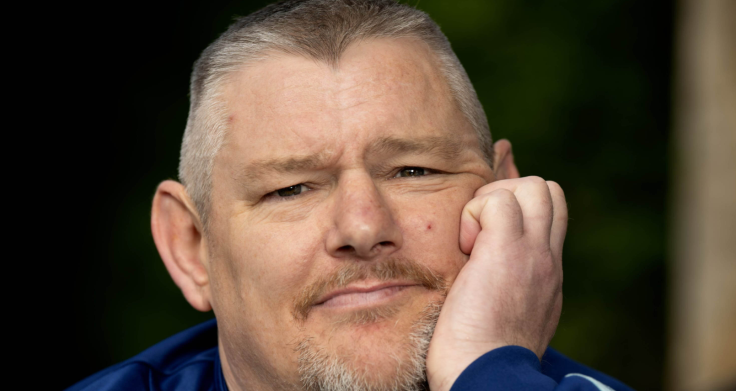
The 2026 EE British Academy Film Awards, held on 22 February at London's Royal Festival Hall has become the subject of intense scrutiny after involuntary vocal tics from Tourette's campaigner John Davidson were broadcast unedited during the BBC's coverage.
Davidson, whose life inspired the independent film I Swear, attended the ceremony as an executive producer. During the live event, several of his vocal tics, including offensive language and a racial slur, were picked up by the microphone and transmitted in the delayed broadcast.
The incident has raised eyebrows on both BAFTA and the BBC, especially after Davidson revealed that he had no idea he was seated near the mic placement.
What Happened That Night?
Davidson, 54, has lived with Tourette's syndrome since childhood and was awarded an MBE in 2019 for services to raising awareness of the condition.
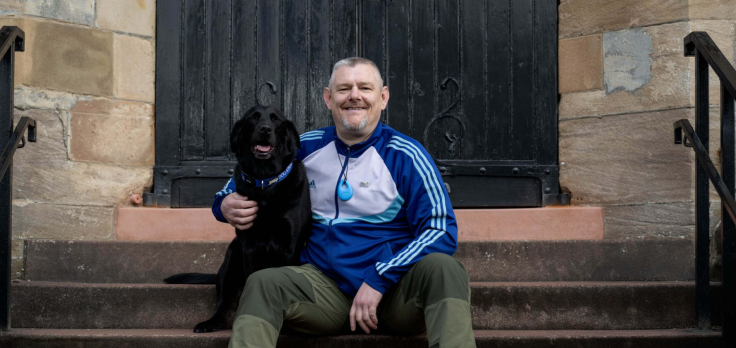
Tourette's is a neurological disorder characterised by involuntary motor and vocal tics. Coprolalia, meanwhile, is the involuntary utterance of obscene or socially inappropriate words — affects a minority of people with the condition.
During the ceremony, Davidson's vocal tics became audible at several points. According to multiple reports, interruptions were heard during BAFTA chair Sara Putt's opening remarks and later during award presentations.
The most controversial moment occurred while actors Michael B. Jordan and Delroy Lindo were on stage presenting an award, when a racial slur was picked up in the auditorium and included in the BBC broadcast.
Host Alan Cumming addressed the audience during the ceremony, explaining that Davidson's outbursts were involuntary and connected to the subject of I Swear. A pre-event announcement had warned attendees that there might be 'strong language, involuntary noises or movements' during the evening.
Nevertheless, the slur aired unedited in the two-hour delayed BBC transmission. The full programme was later removed from BBC iPlayer.
Davidson's Response to the Allegations
In an interview with Variety, conducted by email due to the severity of his tics following the ceremony, Davidson described feeling 'deeply mortified' and said he had reached out privately to apologise to those affected.
'My tics have absolutely nothing to do with what I think, feel or believe,' he said, describing them as a 'neurological misfire.' He added that he condemned the language that had been uttered and expressed distress at the impact on those present.
Davidson also revealed that he had assumed his seating position, which was approximately 40 rows from the stage, would limit the audibility of his tics. In hindsight, he questioned the placement of a nearby microphone, asking whether it had been wise to seat him so close to active sound equipment, given his condition.
Was the Seating Arrangement an Oversight?
The placement of Davidson near a microphone has become a focal point of criticism. Some commentators and disability advocates have argued that greater care should have been taken in production planning, particularly as BAFTA and the BBC were aware of Davidson's Tourette's and had worked with him previously on documentaries.
BAFTA has denied any deliberate intent and described the situation as highly sensitive. In a statement, the organisation apologised 'unreservedly' to those affected and confirmed it would conduct a comprehensive review of the circumstances.
The BBC similarly apologised for the failure to edit the slur from the broadcast, stating that it had now been removed from on-demand services. There is no evidence that Davidson was intentionally placed near a microphone in order to capture his tic. However, Davidson's saying that he was unaware of a nearby mic continues to raise questions.
© Copyright IBTimes 2026. All rights reserved.
- MOST POPULAR IN Entertainment