

Cornell Faculty Senate Rejects Delay to No-Confidence Vote as State Police Gain Role After Alleged Gang Rape
The vote follows Cornell offering complainants New York State Police-led investigations amid separate reviews
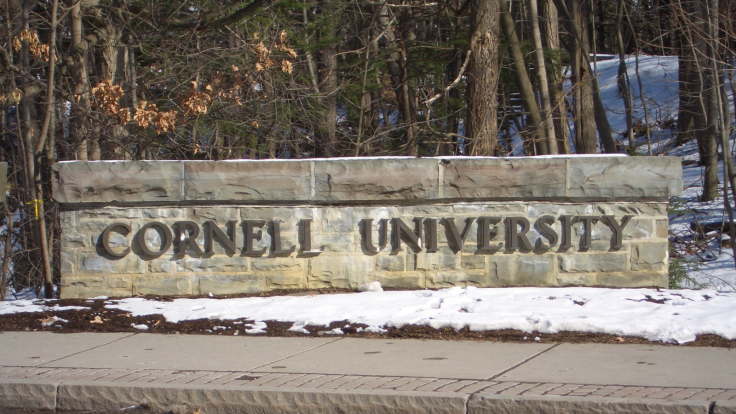
New York State Police have been given a new role in handling sexual assault complaints at Cornell University, just as the institution's Faculty Senate refused to delay a looming no-confidence vote over the administration's response to an alleged gang rape.
On Wednesday, senators at the Ivy League campus in Ithaca, New York, voted 76–48 against postponing the vote.
The following day, Cornell announced an agreement allowing complainants to choose state police as lead investigators in sexual assault cases. Both moves follow mounting scrutiny of an alleged gang rape at the Chi Phi fraternity house in October 2024.
Lawyers representing seven former students named in a related civil lawsuit deny the allegations.
The lawsuit was filed by a former student identified as Jane Doe, who alleges fraternity members pressured her to take ketamine before sexually assaulting her over several hours. She says she was too intoxicated to consent.
Some defendants' lawyers maintain that sexual activity was consensual, while others dispute their clients' participation in the events described.
Cornell says its disciplinary investigation led to sanctions, including suspensions and expulsions, and that the Chi Phi chapter remains barred from campus. The university's proceedings are separate from the criminal justice system.
At the time of publication, no criminal charges had been brought against the former students accused in the case, while students, alumni and advocates had questioned how the allegations were handled.
Cornell Faculty Senate Rejects Bid To Delay No-Confidence Vote
At Wednesday's meeting, senators rejected a motion to postpone consideration of the no-confidence resolution until an independent review of Cornell's response was completed.
The 76–48 result, reported by the Cornell Daily Sun, cleared the way for a separate electronic vote scheduled to run through 6 November. It was not a vote of no confidence itself.
The disagreement exposed different views within the faculty. Resolution sponsor Paul Ortiz argued against further delay, while mathematics professor Inna Zakharevich questioned whether senators had sufficient information to make a credible judgement before the review concluded.
The proposed resolution challenges the administration's ability to address what it calls an 'ongoing crisis of sexual assault at Cornell University'. That description represents the resolution sponsors' position, not an adopted Faculty Senate finding.
Even if the resolution passes, it would be non-binding and would not automatically remove Cornell President Michael Kotlikoff or other officials. It would, however, record the Senate's formal position on the administration's response to sexual assault concerns.
Cornell Gives State Police a New Role in Sexual Assault Cases
Under the agreement announced on 29 October, people who decide to pursue criminal investigations into sexual assault may choose New York State Police or Cornell Police as the lead investigative agency.
Cornell says they may also seek investigations through Ithaca Police or the Tompkins County Sheriff. The change does not require anyone to report to law enforcement and does not remove Cornell Police from all such cases.
Where state police are selected, they will handle investigations independently of Cornell and oversee referrals for prosecution. Campus officers may assist by providing evidence and records when requested.
The university says interviews will continue to follow trauma-informed practices and that student records remain protected by law.
Kotlikoff said complainants would retain 'full autonomy' over whether and when to contact law enforcement. Governor Kathy Hochul described Jane Doe's allegations as 'horrifying' and said, 'Survivors should be able to trust the institutions responsible for protecting them. We cannot afford to let them down.'
The agreement expands the options available to complainants while the university faces questions over its handling of the 2024 allegations. It forms part of Cornell's broader response to concerns about campus safety and confidence in its reporting procedures.
Cornell Faces Separate Investigations as Faculty Vote Approaches
The new policing arrangement is distinct from the renewed criminal investigation into Jane Doe's allegations. After local prosecutors reopened their examination of the case, Hochul appointed the New York Attorney General's Office as special prosecutor on 1 October.
Attorney General Letitia James said her office would be guided by the facts and the law.
Separately, Cornell's trustees appointed former US Deputy Attorney General Sally Yates to lead an independent review of the university's handling of sexual misconduct. Her team will examine both the response to Jane Doe's allegations and broader prevention and reporting practices.
Cornell says the state police agreement will remain in place throughout that review.
The university has also suspended social events at Interfraternity Council chapter houses for the remainder of the academic year. It is exploring a special victims unit for Tompkins County, although no such unit has been announced as operational.
Cornell's disciplinary findings do not establish criminal guilt, and the allegations in the civil lawsuit remain contested.
Faculty senators are scheduled to vote on the no-confidence resolution through 6 November. Its outcome will not determine the criminal case or replace Yates's review, which will examine Cornell's own decisions and procedures. The Senate's position will be recorded while those separate investigations remain unresolved.
© Copyright IBTimes 2026. All rights reserved.