

Diarrhea Outbreak 2026: Doctors Warn Washing Produce Won't Stop the Cyclospora Parasite Spreading
Nearly 7,000 are sick across 34 states, and the parasite hides in the produce we eat all summer
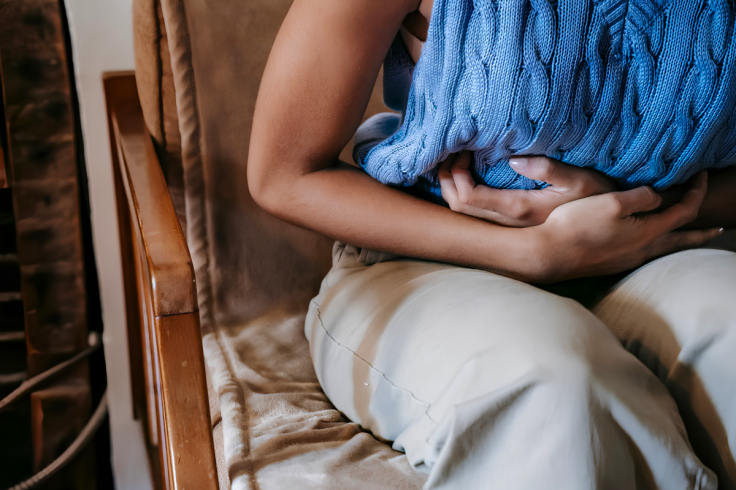
A parasite tearing through the US has sickened nearly 7,000 people across 34 states, and doctors have a blunt warning. Washing your salad won't save you. Once Cyclospora contaminates fresh produce, no amount of rinsing can kill it.
Nearly 7,000 Cases And Climbing
The US Centers for Disease Control and Prevention (CDC) reported 1,645 confirmed cases of cyclosporiasis acquired inside the country since 1 May, with more than 5,100 additional cases still under investigation. Together, that pushes the possible total past 7,000 across 34 states, roughly 27 times higher than the same point last year.
Of the confirmed cases, 141 people, or 9%, have been admitted to hospital. No deaths have been reported.
Michigan has become the epicentre, with the state health department logging more than 3,300 cases, a sharp rise for a state that normally records about 50 a year. The CDC has linked more than 400 infections across Michigan, Ohio, West Virginia, and Kentucky to a single multistate outbreak, with patients falling ill on or after 22 June.
On Tuesday, Taco Bell said it had voluntarily removed some ingredients from select restaurants as a precaution, though officials stress no link to any chain, supplier, or product has been confirmed.
Why Washing Can't Save Your Salad
A viral post circulating social media told people to avoid all fresh produce, even after washing. The reality is more specific, and in some ways more unsettling.
Cyclospora is unlikely to be killed by routine chemical disinfection or sanitising, according to the CDC. Rinsing under clean running water is still advised and lowers the risk, but once the parasite lodges in the grooves of certain fruits and vegetables it becomes very hard to remove.
You cannot see, smell, or taste it. The parasite is microscopic, part of why it is so hard to avoid.
The Foods Most Likely To Carry It
It is not every item in your fridge. Past US outbreaks have repeatedly traced back to produce with plenty of nooks and crannies, where the parasite can hide and resist rinsing.
Raspberries, blackberries, basil, cilantro, green onions, snow peas, and leafy salad blends have all been implicated before. Michigan investigators, after interviewing more than 1,000 patients, said lettuce or salad greens may be a source in the current outbreak, though nothing has been ruled out.
The timing is no accident. Cyclospora season runs from May to August, exactly when berries and leafy greens flood American plates.
When To See A Doctor
Symptoms usually appear about a week after exposure and hit hard. Watery, sometimes explosive diarrhoea is the hallmark, often with cramping, bloating, nausea, fatigue, and loss of appetite.
Experts advise seeing a doctor if watery diarrhoea lasts more than a couple of days, or if it fades and then returns, a relapsing pattern typical of the infection.
Here is the catch. Cyclospora does not show up on standard stomach-bug tests. A doctor has to request it specifically, and because the parasite sheds intermittently, you may need to give several stool samples across different days.
Treatment is straightforward once diagnosed. The CDC recommends the antibiotic trimethoprim-sulfamethoxazole, sold as Bactrim or Septra, taken twice daily for seven to 10 days. A generic course can cost under $10 (£7).
For now, the best defence is not a better wash. It is knowing high-risk foods, watching for lingering symptoms, and asking your doctor to test for the one parasite most stomach-bug panels miss.
© Copyright IBTimes 2026. All rights reserved.