

What Is Legionnaires' Disease? Symptoms, Causes, Treatment and Prevention
Understanding the recent Legionnaires Disease outbreak in Manhattan and its implications for residents.
A Legionnaires Disease outbreak in Manhattan's Upper East Side has prompted a public health investigation after 18 cases were confirmed in late June and early July, with New York City officials linking the cluster to a contaminated cooling tower rather than residential water systems.
Legionnaires Disease is not new to dense urban environments like New York, where past outbreaks have often been traced to building water systems. The latest cluster, centred on Carnegie Hill and Yorkville, has drawn attention because of how quickly case numbers rose within a defined area, covering ZIP codes 10028, 10128 and 10075.
Health officials have stressed that everyday activities such as drinking tap water or using home air conditioning units remain safe.
What Legionnaires Disease Is And How It Spreads
Legionnaires Disease is a serious form of pneumonia caused by Legionella bacteria, which thrive in warm water environments. According to the New York City Department of Health, people become infected by inhaling contaminated water droplets, not by drinking water or through person-to-person contact.
It shifts the focus away from household plumbing and towards shared systems that generate mist, such as cooling towers, hot tubs and decorative fountains. In this case, New York City Comptroller Mark Levine said samples are being collected from cooling towers in the affected area, with laboratory testing underway.
Results, he noted, can take several weeks to confirm because cultures need time to grow.
Officials have been unusually direct in trying to limit panic. 'This is not an issue with any building's plumbing system,' the health department said in a public advisory, adding that residents can continue normal water use.
Still, anyone who has lived, worked or visited the area since late June has been urged to monitor symptoms and seek medical advice if they feel unwell.
Legionnaires Disease Symptoms To Watch For
Symptoms of Legionnaires Disease typically appear between two and 10 days after exposure, though some cases may take longer. The illness often resembles other forms of pneumonia at first, which can make early detection tricky.
Common symptoms include fever, cough and shortness of breath, often accompanied by headaches and muscle aches. Some patients also report chest pain, nausea or confusion, particularly in more severe cases.
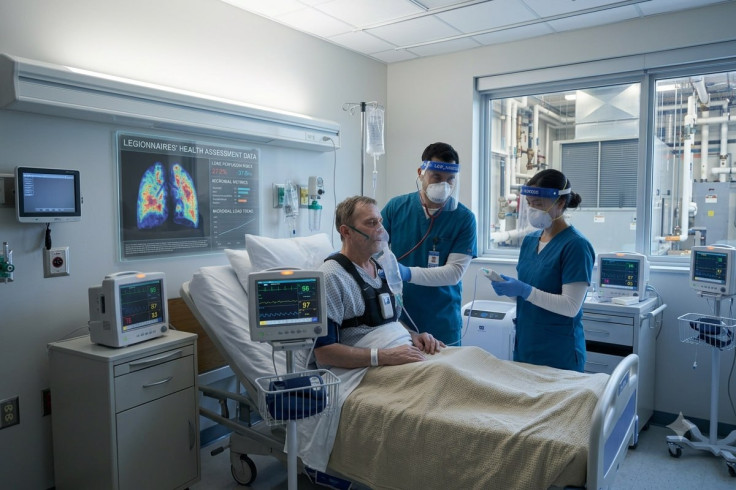
That overlap with routine respiratory illness is part of what makes ouxtbreaks harder to spot quickly. A summer cough might not raise alarm bells until multiple cases begin clustering geographically, which is exactly what triggered the current investigation in Manhattan.
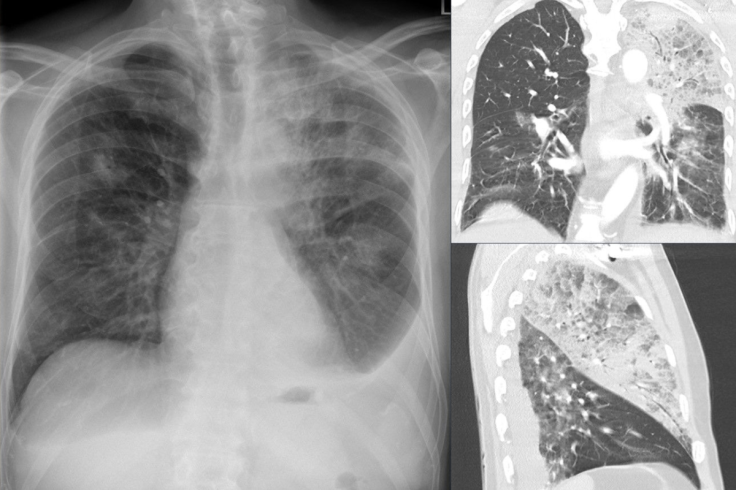
Doctors rely on chest X-rays to confirm pneumonia, but identifying Legionella specifically requires additional testing, including urine tests or laboratory analysis of lung samples. Once confirmed, cases are reported to public health authorities, who then assess whether a broader environmental investigation is needed.
Treatment, Risk And What Happens Next
Legionnaires Disease is treatable with antibiotics, and most patients recover if the illness is caught early. However, it is not a mild infection. Many people require hospital care, particularly older adults, smokers or those with weakened immune systems.
The risk is not evenly distributed. While many people exposed to Legionella do not become ill, those in vulnerable groups face a higher chance of severe complications, including lung failure. According to public health data, around one in 10 people diagnosed with Legionnaires Disease dies from complications, a figure that rises significantly in healthcare-associated infections.
There is also a milder related condition known as Pontiac fever, which causes flu-like symptoms but does not progress to pneumonia. It tends to resolve without treatment, though it can still signal the presence of Legionella in an environment.
Prevention largely comes down to maintenance. Building owners are expected to implement water management programmes that limit bacterial growth in systems like cooling towers. At home, the risk is lower but not zero, particularly in places where water can stagnate.
Even vehicle systems, such as windshield washer tanks, have been flagged as potential breeding grounds if filled improperly with water instead of cleaning fluid.
Back in Manhattan, the investigation continues with environmental testing and case tracking. Health officials are working to pinpoint the exact source of contamination, a process that can feel slow against the urgency of rising case numbers.
But that lag is built into the science. You cannot rush bacterial cultures, even when the headlines are moving fast.
Meanwhile, the message to residents is measured rather than alarmist. Stay aware, not anxious. Watch for symptoms. And wait for the data to catch up with the concern, which, in outbreaks like this, is often the hardest part.
© Copyright IBTimes 2026. All rights reserved.