

Ebola Alert in Glasgow: What You Should Know About the Deadly Virus
Glasgow hospital on alert as patient tests negative for Ebola, highlighting UK's preventive measures

The first Ebola alert in the UK in years happened in Glasgow, wherein a patient was tested for the deadly virus Tuesday morning. Fortunately, the result was negative, but it was enough to put the Queen Elizabeth University Hospital on partial lockdown.
There have been no Ebola cases reported in the UK since 2014. But the disease has since reached Europe, with the first case reported in France last week. The test done on the Scottish patient was part of the health ministry's preventive measures to properly contain the spread of the fatal virus.
'Public Health Scotland (PSH) is working closely with UKHSA (the UK Health Security Agency) to assess routes by which travellers may enter the UK from affected countries,' a PHS spokesperson said. 'The risk from people arriving in the UK from affected areas is low and the NHS has safe procedures in place for detecting and managing such cases.'
There are no specific details regarding the patient who was tested for Ebola in Glasgow.
Why Is a Possible Ebola Case in the UK Alarming?
Ebola is not airborne, so it doesn't spread as fast as COVID-19 or the flu. However, the case fatality rate ranges from 25% to 90%, or an average of 50%, according to the World Health Organization (WHO).
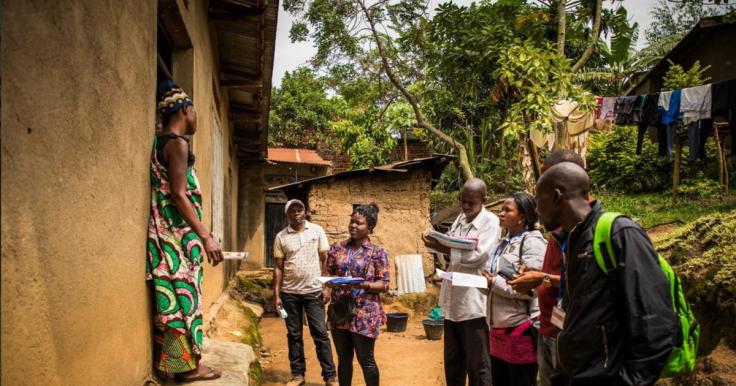
The Democratic Republic of the Congo (DRC) is currently battling an Ebola outbreak, with the country reporting 1,307 cases, including 377 deaths. The cases came from three provinces: Ituri, North Kivu and South Kivu.
Ebola is a virus transmitted from wild animals, such as fruit bats, porcupines and primates, to people. It spreads among the human population through direct contact with blood and other body fluids. It doesn't have to be direct human contact, as contaminated surfaces and materials are also vessels of transmission.
Health officials have since identified six strains of Ebola virus, with three causing large outbreaks: Ebola virus, Sudan virus and Bundibugyo virus, which is the root of the DRC outbreak. For now, only the Ebola virus has licensed vaccines and therapeutics.
The DRC outbreak has reached its neighbour in Uganda, which reported 20 cases, including two Ebola deaths, so far. DRC and Uganda have implemented extreme responsive measures to contain the outbreak and treat Ebola patients.
Symptoms and Treatments
The incubation period of the Ebola virus ranges from two to 21 days. According to WHO: 'The symptoms of Ebola disease can be sudden and include fever, fatigue, malaise, muscle pain, headache and sore throat. These are followed by vomiting, diarrhoea, abdominal pain, rash and symptoms of impaired kidney and liver functions.'
In a few cases, bleeding occurs internally or externally, like from the nose, gums, female genitalia and punctured skin. Early detection is necessary for healthcare workers to be able to provide intensive supportive care. N̈Re-hydration and treatment of specific symptoms are crucial.
The UK has pledged around £21 million ($27,789,300) to DRC for its health response and to ensure the protection of frontline workers. The UK also sent a health team from the UK Public Health Rapid Support Team to the DRC. 'This deployment will help strengthen the existing response to the Ebola outbreak in the DRC, with experts in epidemiology, risk communications and community engagement, infection prevention and control, and data modelling, now on the ground,' said UKHSA director Dr Edmund Newman.
© Copyright IBTimes 2026. All rights reserved.