

Cyclospora Mode of Transmission: How the Parasite Is Spreading Across the US, Causing 'Explosive Diarrhoea'
CDC probes multi-state outbreak linked to contaminated fresh produce
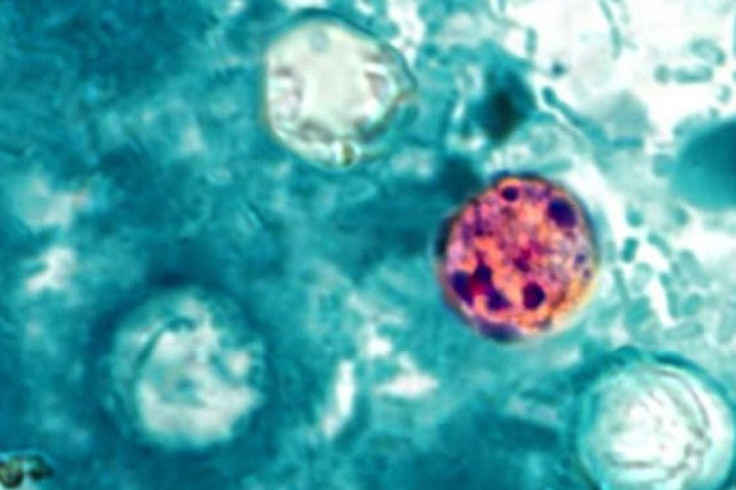
Health officials across the United States are investigating a growing outbreak of cyclosporiasis, a foodborne illness caused by the microscopic parasite Cyclospora cayetanensis. The outbreak has spread across at least 31 states, with hundreds of confirmed cases and dozens of hospitalisations, prompting an investigation by the US Centers for Disease Control and Prevention (CDC) and the Food and Drug Administration (FDA).
Cyclospora infections are known for causing prolonged bouts of watery diarrhoea, which the CDC says can sometimes become 'explosive.' While the illness is rarely life-threatening, it can lead to severe dehydration, particularly in young children, older adults and people with weakened immune systems.
How Is Cyclospora Spreading Across the US?
Unlike many stomach bugs, Cyclospora is not typically spread from person to person.
Instead, people become infected after consuming food or water contaminated with the parasite, usually through human faeces. According to the CDC, the parasite must spend at least one to two weeks in the environment before it becomes infectious, making direct transmission between people highly unlikely.
Investigators believe the current outbreak is linked to contaminated fresh produce, although they have not yet identified a specific supplier or food item responsible. Lettuce and salad greens are among the foods being examined, but officials stress that the investigation remains ongoing.
Previous US outbreaks have been associated with imported fresh produce, including raspberries, basil, coriander, snow peas, mesclun lettuce and spring onions.
What Are the Symptoms of Cyclospora?
Symptoms usually develop about one week after a person consumes contaminated food or water, although they can appear anywhere from two days to two weeks later.
The most common symptom is watery diarrhoea, which the CDC says may involve frequent and sometimes 'explosive' bowel movements.
Other symptoms include:
- Loss of appetite
- Stomach cramps
- Bloating
- Nausea
- Fatigue
- Weight loss
- Low-grade fever
- Vomiting in some cases
Without treatment, the illness can last several weeks or even longer, with symptoms sometimes disappearing before returning.
Where Has the Outbreak Been Worst?
Michigan has reported the highest number of cases during the current outbreak, with more than 2,600 infections identified by state health officials. Ohio, New York and several other states have also reported significant numbers of cases as the parasite continues to spread during the summer months.
As of 9 July, the CDC had confirmed 843 cases nationwide and 86 hospitalisations, although officials believe the true number is likely to be much higher because of delays in diagnosis and reporting.
How Can People Protect Themselves?
Health experts recommend thoroughly washing fresh fruit and vegetables under running water before eating them, although the CDC notes that washing alone may not completely remove Cyclospora from contaminated produce. Cooking food, where appropriate, can reduce the risk of infection, and good hand hygiene remains an important preventive measure.
People experiencing persistent diarrhoea, particularly after eating fresh produce, should seek medical advice. Cyclospora infections can usually be treated with the antibiotic trimethoprim-sulfamethoxazole, commonly known as Bactrim.
While investigators continue working to identify the exact source of the outbreak, health officials are urging Americans to remain vigilant. Until the contaminated food source is confirmed, consumers are advised to follow food safety guidance and watch for symptoms, especially as cases continue to emerge across the country.
© Copyright IBTimes 2026. All rights reserved.