

Salmonella Outbreak in 14 European Countries: What To Know About the Flavoured Noodles Making 100+ People (and Counting) Sick
ECDC investigates salmonella cases tied to instant noodles in Europe
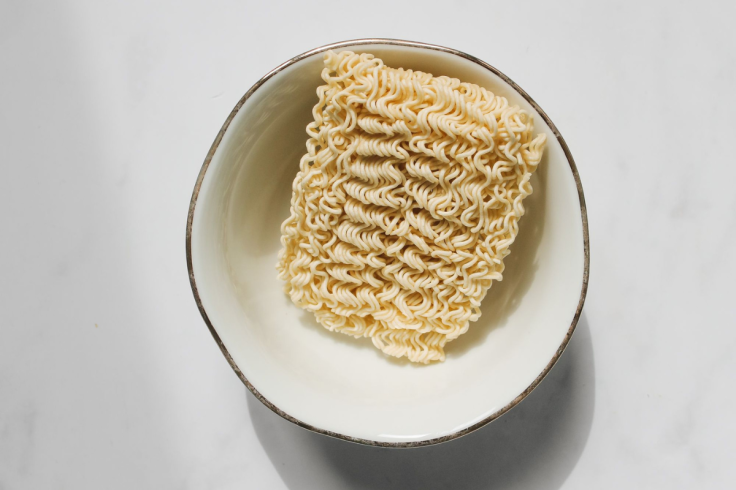
A salmonella outbreak has spread across 14 European countries, affecting more than one hundred people, mostly children and young adults. The European Centre for Disease Prevention and Control (ECDC), an agency of the European Union has linked the infections to flavoured noodles.
The ECDC recorded 106 cases between November 2025 and June 2026, with 49 people, mostly children and teenagers, requiring hospitalisation. Countries reporting cases are Austria, the Czech Republic, Denmark, Estonia, France, Germany, Hungary, Latvia, Lithuania, the Netherlands, Norway, Poland, Sweden and the United Kingdom.
What Noodles Caused the Salmonella Outbreak?
According to epidemiological investigations of the EU, the cases in Denmark, Estonia, Germany, Latvia and Lithuania shared one thing in common: consumption of flavoured noodles from one brand. 'Microbiological evidence further supports the link, with the outbreak strain being detected in Germany and Lithuania in chicken-flavoured and hot-chicken-flavoured noodle products from the same brand,' the ECDC report read.
'Investigations have linked the products, which were distributed in several countries, to the same producer in Ukraine. This suggests a possible common source of contamination at the production plant level, although further investigation is needed,' the ECDC added. Other Salmonella strains were also found in other products from the same brand.
The ECDC and the European Food Safety Authority usually withhold brand names while in the middle of the investigation. However, Estonia, Germany, Latvia, and Lithuania have already issued notices to recall specific instant-noodle products from Reeva Foods, the international brand primarily known for its flavoured instant noodles, pastas and mashed potatoes. The mother company, Uniben, is in Asia, but the European products are manufactured by Euro Food Service in Ukraine.
Various news outlets have reported that Reeva Foods cited 'alleged detection' of Salmonella Stanley in a batch of instant noodles within the Baltic region. The company has since removed those products from the market.
Worries for Contaminated Noodles in Home Shelves
While many have been recalled, some officials fear that some homeowners are not aware of the Salmonella outbreak. 'Cases may therefore occur, particularly because these products have a long shelf life and may remain stored in household kitchens for extended periods,' the ECDC said.
It is also not enough that the products have been identified. Health officials need to confirm the root cause and establish the point of contamination. In its advice to the public, the EU health organisation said, 'If consumers discover that they have recalled products from the affected brand, they should not eat them but should return them to the point of sale or discard them.'
In addition, consumers should dutifully follow the cooking instructions of uncontaminated flavoured noodles while also adhering to good food hygiene practices.
Salmonella Stanley is a specific strain of the Salmonella bacteria, which causes salmonellosis. Symptoms include diarrhoea, fever, stomach cramps and vomiting. These symptoms usually appear within one to three days after eating the contaminated product.
Children and young adults are more prone to falling victim to the illness because their immune systems are still developing. They also have lower gastric acidity, which reduces the body's ability to neutralise harmful bacteria.
© Copyright IBTimes 2026. All rights reserved.