

Michigan's Cyclospora Surge Follows a Year of Cuts to US Parasitic Disease Programmes Under Musk and RFK Jr
State grapples with unprecedented Cyclospora infections as health programme cuts and climate change complicate response efforts.
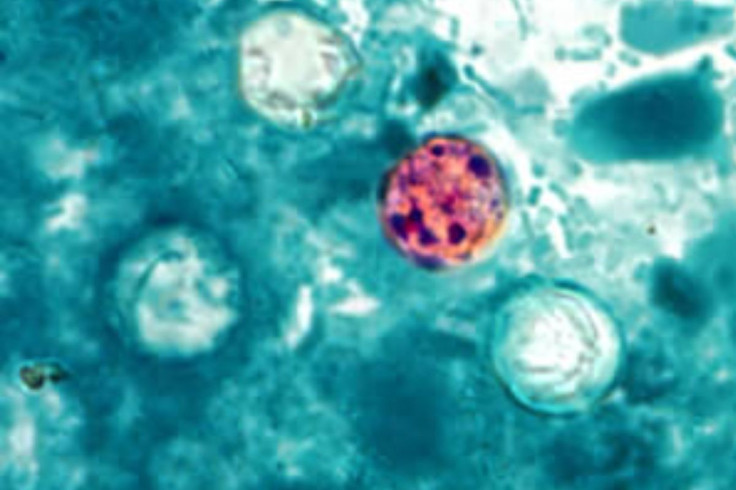
Nearly 1,000 people in Michigan have been diagnosed with Cyclospora since late June, in what officials say is the largest parasitic outbreak in the state's history.
The surge comes after a year of cuts to US parasitic disease programmes, including the dissolution of the CDC's Division of Parasitic Diseases under Health Secretary Robert F. Kennedy Jr. and Elon Musk, which has shifted more responsibility on to local health authorities.
While experts say those sweeping reductions to federal health initiatives have complicated the public health response, they primarily attribute the decade-long rise in Cyclospora cases to climate change and improved detection.
Michigan usually records only about 50 cases of this specific illness each year, making the current total of 992 infections highly unusual.
Unravelling The Cyclospora Outbreak
The surge has already crossed state lines. Lucas County in Ohio reported 306 cases by Wednesday, pushing the total for northwest Ohio past 400. Food poisoning sources are notoriously difficult to establish, particularly when supply chains involve transient agricultural products spanning multiple regions.
Dr Natasha Bagdasarian, the chief medical executive for Michigan, told the Associated Press that officials face a complex web of transmission. She noted that 'there is clearly a linked outbreak happening right now' and said the exact origin remains hidden.
State officials first flagged the issue last week while tracking 170 cases, a figure that has multiplied rapidly in days.
Cyclospora is a spherical parasite that thrives in warm weather and spreads through faeces. Outbreaks traditionally peak in late spring and summer. Historically, humans have contracted the illness by eating fruits or vegetables exposed to contaminated irrigation water. The resulting condition is typically treated with antibiotics.
The US Centers for Disease Control and Prevention notes that the infection produces frequent and explosive bowel movements. Despite modern agricultural sanitation practices, the organism continues to affect supply chains.
Researchers point to climate change and improved detection methods as the primary drivers behind an upward trend in cases that began a decade ago, with notable spikes in 2018 and 2019.
Why The Source Remains Elusive
Finding the specific farm responsible for the tainted produce is a monumental task.
Melanie Firestone, a foodborne illness researcher at the University of Minnesota, said some laboratory tests are not designed to detect this parasite. This limitation means 'there is a lot of underreporting when it comes to this' according to Firestone.
A diarrhea-causing parasite has now infected over 1,000 Americans, spreading across 29 states.
— FactPost (@factpostnews) July 9, 2026
Last year, RFK Jr and Elon Musk dissolved the CDC office responsible for preventing parasitic infections. pic.twitter.com/tO2ZZwTAcu
Technicians cannot grow the parasite in a laboratory setting, removing an avenue for gathering evidence from suspect vegetables. Furthermore, identifying a common denominator among hundreds of sick patients is a scramble.
The culprit is often a single ingredient used across multiple dishes, making it difficult for patients to pinpoint exactly what made them ill.
Food distributors frequently send the same batches of produce to both supermarkets and restaurant chains. This dual distribution complicates tracing efforts, meaning investigations can drag on for months and sometimes conclude without identifying the source.
Dianna Blau, acting parasitic diseases branch chief at the CDC, said there is no evidence the parasite has evolved to become more infectious.
However, she noted that the national case total is already four times higher than at the same point last year. The national data lags behind state-level reporting, suggesting the true scale is still unfolding.
Michigan appears to be bearing the brunt of the infections, though Bagdasarian suggested the state's aggressive investigation tactics might be 'part of the reason why this looks like a Michigan problem' as data rolls in.
How To Limit Cyclospora Risk At Home
Health officials urge anyone suffering from persistent diarrhoea to seek medical advice and explicitly ask their doctor to test for the parasite. The main prevention strategy is to avoid contaminated food, though the lack of a recalled product makes this difficult.
While consumers are advised to wash fresh produce thoroughly, the parasite is known to stick firmly to certain foods.
Rinsing a leaf under the tap is not guaranteed to remove it. Investigators recommend that shoppers buy whole heads of lettuce instead of pre-washed salad bags, stripping away the outer three leaves before washing the rest under running water.
© Copyright IBTimes 2026. All rights reserved.