

Salmonella Outbreak: Why Recalled Instant Noodles Could Still Make People Sick
Health officials warn that recalled instant noodles could still cause Salmonella infections as products remain in homes.
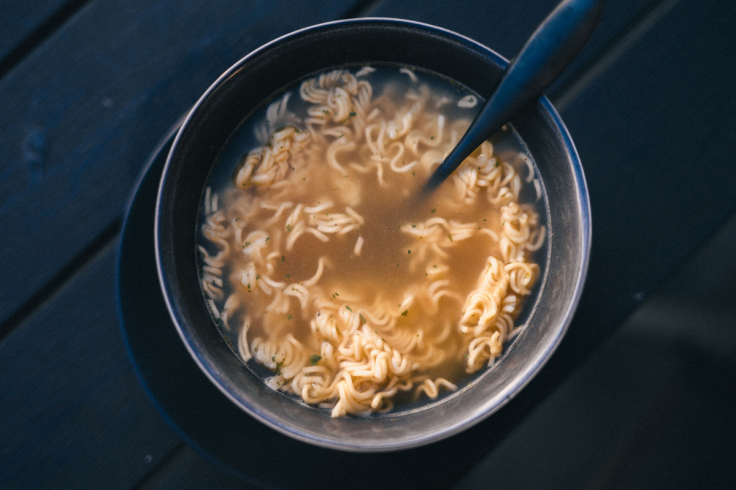
Recalled instant noodles linked to a Europe-wide Salmonella outbreak could continue making people sick because affected products may still be sitting in kitchen cupboards long after being removed from supermarket shelves, health officials have warned.
The European Food Safety Authority (EFSA) and the European Centre for Disease Prevention and Control (ECDC) say 106 people have been infected with Salmonella Stanley across 14 countries, including the UK, between November 2025 and June 2026. Of those infected, 49 have been hospitalised, with children and young adults accounting for many of the reported cases.
Although retailers have withdrawn affected products from sale, investigators say the outbreak may not be over. Instant noodles have a long shelf life, meaning products purchased months ago could still be stored in homes and consumed without people realising they have been recalled.
Why Officials Believe More Cases Could Be Reported
According to EFSA, additional Salmonella infections cannot be ruled out while recalled products remain in consumers' homes.
Unlike fresh food that is quickly eaten or discarded, packaged instant noodles can remain in cupboards for several months. Health officials warn that anyone who unknowingly prepares and eats a contaminated product could still become infected, even after stores have removed it from their shelves.
Authorities are urging consumers to check recall notices carefully and avoid eating any products identified as part of the investigation. Recalled items should be returned to the retailer or disposed of safely.
How Investigators Traced the Outbreak
The outbreak was identified through a combination of interviews with infected people and laboratory testing carried out in several countries.
Investigators found that many patients had eaten flavoured instant noodle products before becoming ill. Scientists then used genomic sequencing to confirm that patients in multiple countries were infected with the same strain, Salmonella Stanley, linking the cases to a common source.
The strain was later detected in chicken-flavoured and hot chicken-flavoured noodle products sampled in Germany and Lithuania. Those products were traced to the same manufacturer in Ukraine.
Food distributor Reeva Foods said it identified Salmonella Stanley in one production batch manufactured by Euro Food Service. The company said it immediately withdrew the affected products, launched an internal investigation and introduced additional testing while continuing to cooperate with food safety authorities.
Despite those findings, investigators say they have not yet determined exactly where the contamination occurred. Officials are continuing to examine the production and supply chain to establish how the bacteria entered the products.
Investigation Continues Across Europe
Health authorities say children and young adults account for many of the confirmed infections, although investigators have not identified why those age groups have been disproportionately affected.
Consumers are also being reminded that many instant noodle products are not ready to eat and should always be prepared according to the cooking instructions printed on the packaging.
Salmonella infection typically causes diarrhea, fever, stomach cramps, nausea and vomiting. While most people recover within a few days, the illness can become severe for young children, older adults and people with weakened immune systems.
As the investigation continues, EFSA and the ECDC are working with national food safety authorities to identify the exact source of the contamination and prevent additional infections. In the meantime, consumers are being urged to stay alert for recall notices and check their cupboards for any affected flavoured instant noodle products before preparing or eating them.
© Copyright IBTimes 2026. All rights reserved.