

Ana Gonzalez Galindo on the Business of Beating Loneliness
Friendly Together offers a fresh approach to combating loneliness with curated activities and interest-based matching
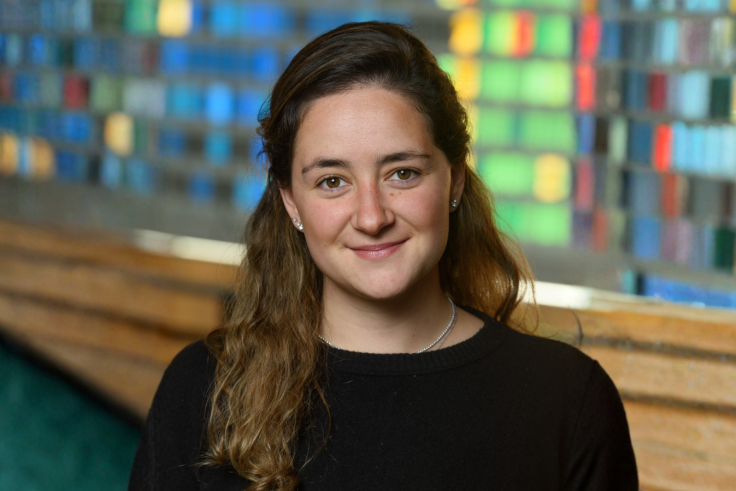
When the UK appointed the world's first minister for loneliness in 2018, it signalled a shift that's been felt worldwide across different governments and health bodies. A condition once treated as a private complaint is now counted as a public-health and economic problem. The systems built to address it, however, have a patchy record, with an earlier generation of community platforms asking users to do the organising themselves and many drifting away unhelped.
A newer cohort is taking a different approach. Friendly Together, a New York-based company founded by Mexican entrepreneur Ana Gonzalez Galindo, offers a useful vantage point on what has changed, as well as on what a community platform built for the lonely might now look like.
A Public Problem with Measurable Costs
Loneliness has graduated from a fringe concern to a category that policymakers and researchers track alongside other determinants of health. A 2025 report from the World Health Organization found that one in six people worldwide is affected by loneliness, which is linked to an estimated 871,000 deaths a year, or roughly 100 every hour, figures that have pushed governments and health bodies to treat it as a serious public-health and economic issue rather than a private complaint.
Gonzalez Galindo, who studied the subject at Stanford alongside professors and psychologists before launching her company, traces much of the recent deterioration to the pandemic, which she argues eroded many people's basic ability to interact with one another.
The shape of modern adult life compounds the effect. "Modern routines of 'I go to work, I go to the gym, I have lunch at work, work, Netflix, sleep, and start all over again' have made us lonely," she says. Those cycles make it difficult to find places to find and build new, potentially lasting relationships, and adulthood has also lost the built-in social structures that once did the work automatically. School, she notes, would require people to be with each other every day and share tasks, which opened the possibility for friendships almost by default; few equivalents exist later in life.
Layered on top are the typical milestones like having children, divorce, relocation, retirement, that she identifies as the moments most reliably pushing people into isolation, as they have the potential to dismantle an existing circle and force a rebuild from scratch. Even active social calendars, she notes, tend to produce casual or "party" acquaintances, not a dependable support system.
And beneath all of it sits a growing fear of rejection that keeps people from putting themselves out there in the first place.
Why the First Wave of Community Initiatives Fell Short
The previous era of community technology, Gonzalez Galindo argues, was defined by apps like Meetup and Facebook Groups, apps that placed the entire burden of connection on the individual. This meant that a user had to find an activity, post it, set up scheduling by themselves, and hope that strangers would turn up, a sequence Gonzalez Galindo describes as slow and effortful.
"You had to plan everything. You had to put in the time to find an activity you wanted to do, then post there and check if anyone wanted to go with you," she says. That friction tended to screen out the very people the tools were meant to serve, since the lonelier someone is, the harder that first step is. The platforms also did little to ensure compatibility, leaving members to sift through crowds for anyone they genuinely had something in common with, and the results were often shallow: one-off meetups and casual friendships, not a particularly durable circle.
Safety and trust, meanwhile, were left to the user, raising the barrier for newcomers wary of meeting strangers alone. That wariness compounds a cultural hesitation the older platforms never resolved. Many people, Gonzalez Galindo notes, are reluctant to walk into a room on their own, and when they cannot find someone to come along, they would rather stay home than go.
Inside Friendly Together's Model Aimed at Couples and Families
Gonzalez Galindo's approach with Friendly Together seeks to turn the old around. Rather than asking members to build an event from scratch, Friendly Together pre-arranges the activity and handles the matching, making it so a user simply picks a class and shows up.
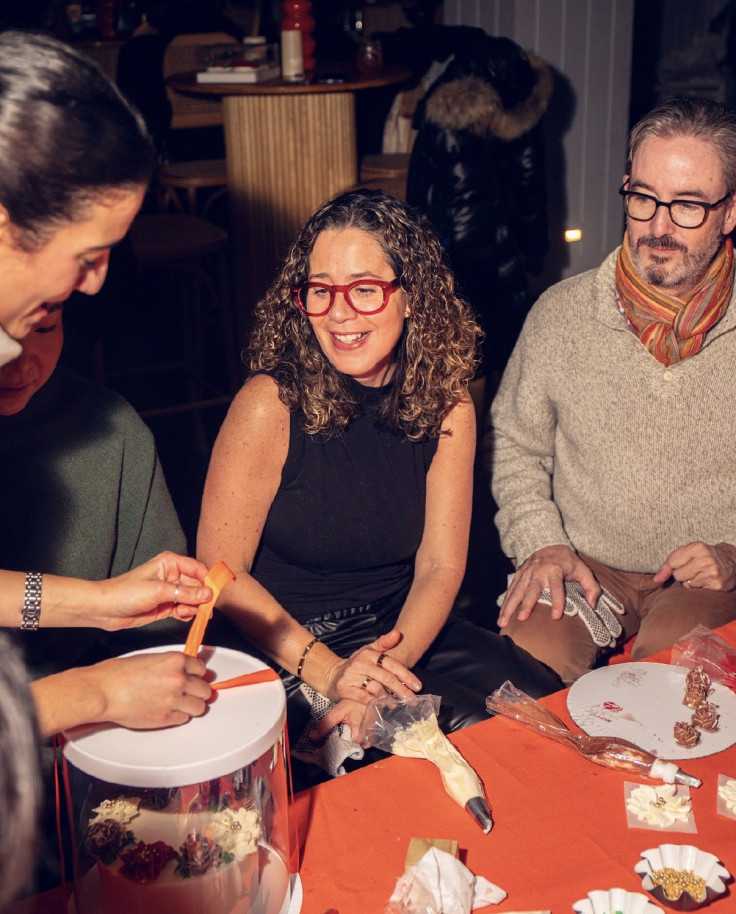
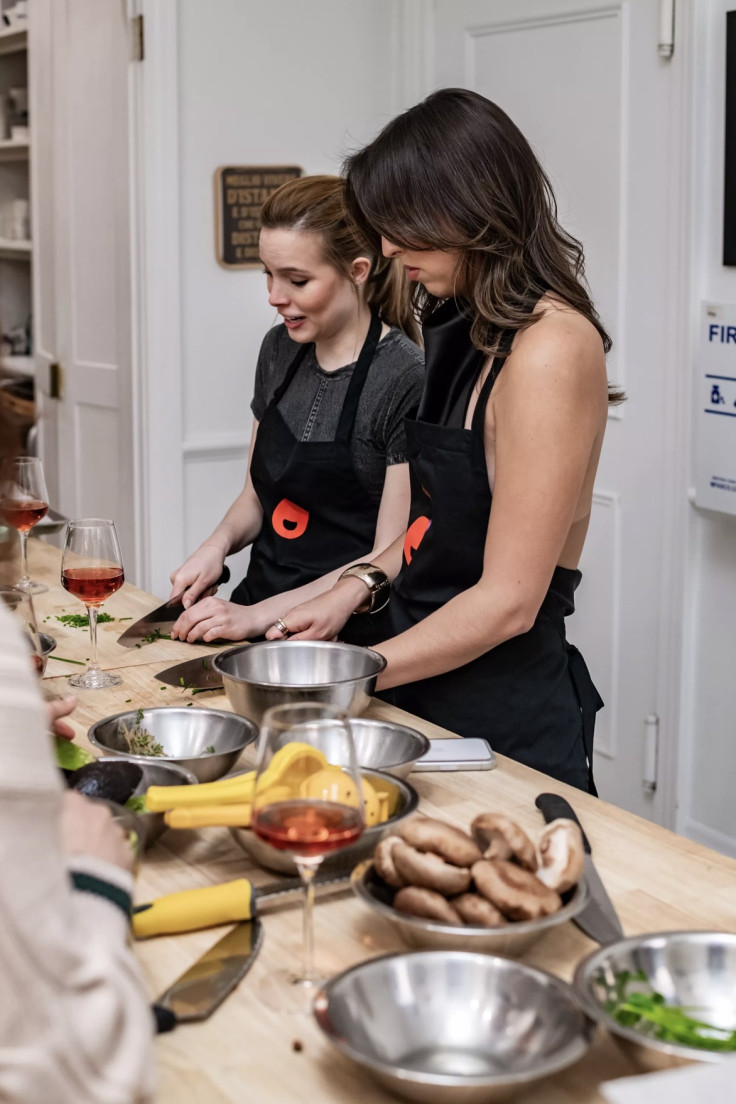
The app curates experiences through vetted partners, among them cooking classes with Chef Amenta, mixology sessions with Liquid Labs, jazz nights with Fasano and family-oriented events such as CPR in the park. By assembling and screening each activity in advance, Friendly Together removes the planning and coordination layer that once deterred people from taking part.
The other aspect of this model involves matching. Because Friendly Together pairs participants on shared interests and life stages, any given event stands a better chance of producing a real connection. That built-in vetting also makes it easier for those nervous about turning up to a room of strangers, since the company has already organised and screened the experience on their behalf.
"We do the vetting for you in Friendly Together as well, and the matching," says Gonzalez Galindo, "so wherever you go, you know it's a good place to be."
Friendly Together's sharpest point of difference is the segment it serves. Where similar apps cater largely to individuals, the company also builds activities around couples and families, a group Gonzalez Galindo calls underserved and high-need, since relocating couples and new parents struggle to find peers in the same situation.
Early figures lend some support to the thesis. The app first launched in beta in October 2025, the occasion for its launch party, before opening to the public in February. Since then, Friendly Together has grown to more than 1,000 registered users. Its brand account on Instagram has a following of close to 4,000, a deliberately small scale the company says it prefers to a larger, looser audience.
The Barrier Technology Can't Remove
For all the design changes, Gonzalez Galindo argues the hardest problem in the category isn't technical but social. The obstacle is stigma, the reluctance people feel to admit they are lonely or that a changed life calls for new friends. Because the feeling goes unspoken, it goes unaddressed, and naming it, she contends, is the necessary first move. "Breaking that stigma and fighting it is complicated. I think it all starts there," she says.

There is also the matter of vulnerability, a barrier no interface can fully remove. Meeting new people means risking rejection, and to counter the hesitation that keeps people home, Gonzalez Galindo recalls her moments of isolation, including the loneliness she felt as a new mother while abroad, modelling the openness she hopes users will adopt.
Her credibility, she suggests, rests on a dual vantage point: formal study combined with having lived and resolved the problem herself. Before her MBA at Stanford, she had founded a company in Mexico, and her research includes a co-authored business paper published in a recognised international peer-reviewed journal. "I won't sell a solution to a problem I haven't lived with. I felt this, I got out of it, and that's what we're building." That experience, she argues, separates her work from products designed by people who've never felt the problem.
Ana Gonzalez Galindo built Friendly Together around a problem she first had to solve for herself, betting that curated activities, vetting and interest-based matching can reach the people earlier platforms left behind. From its base in New York, the company now serves more than a thousand users and a focus on couples and families that its larger rivals have left untouched.
© Copyright IBTimes 2026. All rights reserved.