

Europe's Deadly Heatwave May Be Easing—But Scientists Say It Could Soon Be the New Normal
Exploring the impact of Europe's heatwave and the urgent need for climate action
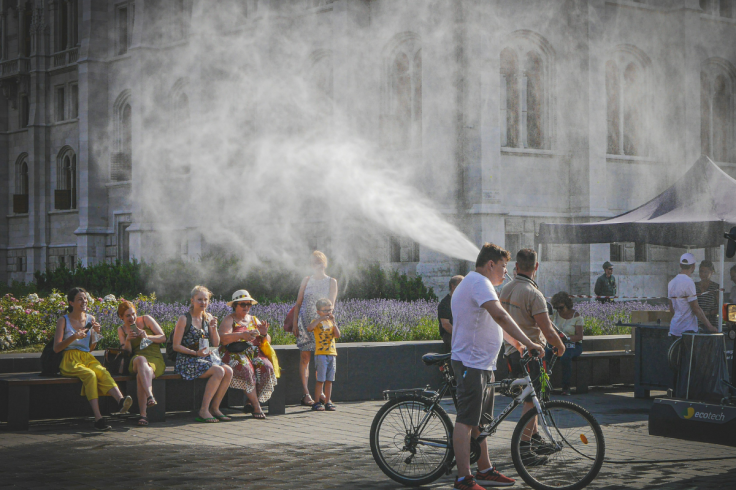
Europe reported an excess of 10,000 deaths in June during a historic heatwave, but is it over? The heat has eased in the last couple of weeks, but the danger remains, according to weather experts.
A climate expert noted that the weather will be generally fickle in July. There will be days when it becomes bearable, but it will never go back to what Europeans consider as normal.
'The latest Europe 15-day population weight daily average temperature forecast reveals additional hot weather this week, easing to near normal next week, and possible regenerating heat during the following week,' reads the report from Climate Impact.
France Stays 'Dry'
The European Centre for Medium-Range Weather Forecasts, or ECM model, suggests that there will be rain in the second half of July in most parts of eastern and central Europe. The rain should help the population cope with the ongoing heat dome shrouding Europe.
'Western Europe, particularly France, where drought conditions have become intense, misses most of the rainfall,' the report also stated. France was among the first countries to report a substantial death toll due to the heat. Many drowned while cooling down at the beach and other bodies of water, while some died from heat stroke.
Of the 10,000 excess deaths recorded by the European Mortality Monitor or EuroMOMO, around 9,000 were among the elderly, aged 65 and above. Old people have a harder time regulating heat in their bodies because of physiological changes.
According to a study, 'The increased cardiovascular demand of high ambient temperatures, with or without the added strain of physical exertion, can be especially challenging in aged humans who exhibit altered cardiovascular function and thermoregulatory ability.'

Adapt to the Climate
Climate change is real and it is about time people accept its dangers, rather than paint a picture of people basking in the sun at the beach or eating ice cream during the summer season. 'People need to be aware that we are now seeing dangerous climate-change fuelled heat that is claiming lives, disrupting schools and hospitals and shutting down transport and infrastructure,' said Dr Clair Barnes of the Imperial College London.
The institution, along with the Met Office and the London School of Hygiene and Tropical Medicine, conducted a study of the European heatwave that plagued the continent from May to June. Researchers recorded around 2,700 deaths from heat-related causes.
'It's time we woke up to the fact that we now live in a country with dangerously hot summers,' Barnes also said. More than 40% of the 2,700 recorded deaths were due to 'extra heat caused by human activity—mostly burning fossil fuels.' Climate change increased the temperature by around 3°C to 4°C (5.4°F to 7.2°F).
The most important goal now is to reach net zero emissions.
Heat Alerts Around Europe
The UK Health Security Agency has issued the yellow heat-health-related alert across the northwest, southwest, southeast, east midlands, west midlands, east of England and London from Tuesday until Friday. The yellow alert is two tiers below the red alert issued by the last week of June.
France, meanwhile, is still on severe weather alert. Spain issued yellow and orange alerts in some regions, while Italy issued red alerts in Florence and Perugia.
© Copyright IBTimes 2026. All rights reserved.