Elon Musk Promises to Donate $134B OpenAI Case Winnings – Details of the Legal Clash
A federal judge has allowed Musk's lawsuit against OpenAI and Microsoft to proceed to trial in April 2026
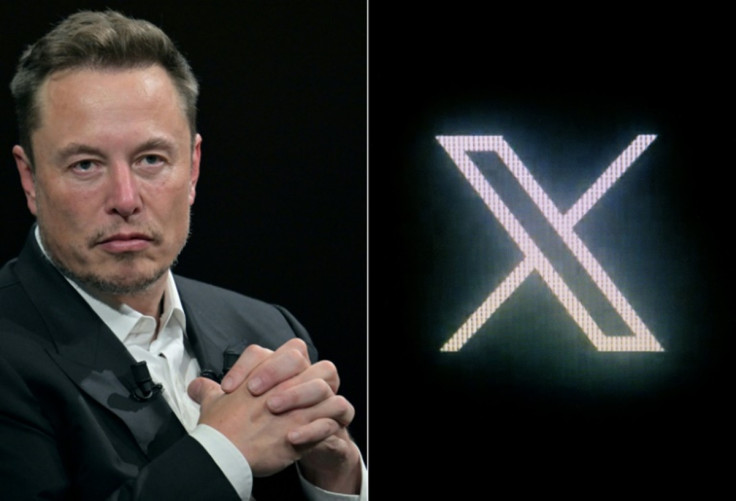
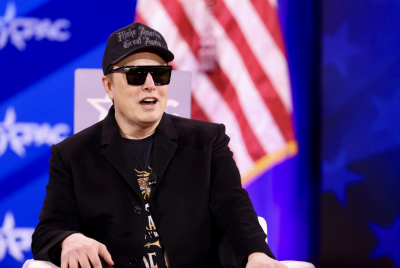
In an X post on 17 March, businessman and entrepreneur Elon Musk has said he will donate any proceeds he might win in his high-profile legal battle against OpenAI to charity, after his legal team estimated potential damages at up to $134 billion (around £100 billion).
The announcement via social media has drawn global attention to a lawsuit that could reshape debates over artificial intelligence governance and nonprofit obligations.
What the OpenAI Lawsuit Is About
Elon Musk's lawsuit, filed in a federal court in California in 2024, centres on the allegation that OpenAI abandoned its original nonprofit mission and breached its founding agreements. The complaint asserts that Musk was led to make early financial contributions, roughly $38 million (roughly £28.5 million), under the belief that OpenAI would remain committed to advancing safe and open artificial intelligence.
Btw, the proceeds of any legal victory in the OpenAI case will be donated to charity. I will in no way enrich myself.
— Elon Musk (@elonmusk) March 16, 2026
According to filings, Musk claims that OpenAI's shift towards a commercially driven, for-profit structure, particularly through its deepening ties with Microsoft, constitutes a violation of fiduciary duties and charitable trust principles. That, he alleges, has resulted in significant financial harm and ill‑gotten gains for OpenAI and its partners.
OpenAI disputes these claims, calling the lawsuit unfounded and arguing it has acted within its established governance structures. The company has maintained that its hybrid model, which includes both nonprofit oversight and for‑profit operations, aligns with its goals of advancing AI for humanity.
The $134 Billion Damages Estimate and Charity Pledge
Musk's legal team has cited potential damages ranging from around $79 billion (£59.3 billion) to as much as $134 billion. The higher figure has become a focal point of media coverage, though a federal judge has expressed scepticism about the methodology and basis of these calculations.
Despite the enormity of the figure, Musk has publicly said he will not benefit personally from any legal award. In a social media post, he pledged that proceeds from a successful outcome would go to charity and that he would not enrich himself from the litigation.
Legal analysts note that even if the jury were to uphold some claims, courts often award damages far below initial estimates, making the final figure uncertain. The judge's comments about the $134 billion claim suggest close judicial scrutiny of the legal arguments.
Current Trial Status and Court Proceedings
A federal judge has allowed Musk's lawsuit to proceed to a jury trial, rejecting motions from OpenAI and Microsoft to dismiss the case. The judge ruled that sufficient evidence exists for a jury to examine whether OpenAI indeed breached its commitments, opening the door for full trial proceedings.
The litigation is scheduled for jury selection and evidentiary hearings in April 2026, nearly two years after the initial complaint was filed. One of the key legal issues is whether OpenAI's transition toward more commercially oriented activities contradicted the nonprofit assurances Musk says were essential to his support.
Federal court filings also show debates over Musk's standing to sue, given how his early contributions were routed through donor‑advised funds. Opposing counsel argue that such arrangements may not grant Musk a clear legal interest in the outcome.
Public and Legal Reaction
The case has drawn intense scrutiny from legal experts and the media. Commentary has ranged from debate over the merits of Musk's claims to discussion of the broader implications for artificial intelligence development and nonprofit governance.
As the trial date approaches, stakeholders across the technology ecosystem will be watching closely to see how a jury navigates complex issues of contractual promise, corporate mission and accountability in one of the biggest legal battles involving AI to date.
© Copyright IBTimes 2026. All rights reserved.
- MOST POPULAR IN Trending