FBI Secretly Investigated Trump as Possible 'Russian Asset' After Comey Firing, Declassified Memos Show
Newly declassified memos reveal the FBI's counterintelligence investigation into Donald Trump following James Comey's dismissal, examining potential ties to Russia

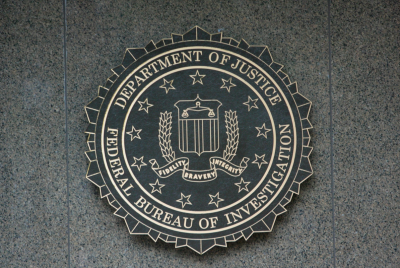
The FBI opened a secret counterintelligence investigation into Donald Trump after he fired James Comey, with newly declassified memos showing agents examined whether the president may have been acting on behalf of Russia.
The investigation, codenamed 'Oxferd Comma,' was opened on 16 May 2017, one week after Trump dismissed Comey as FBI director.
According to the declassified opening memo, the FBI said there was an 'articulable factual basis' to examine whether Trump 'may be or has been, wittingly or unwittingly' involved in activities for or on behalf of the Russian government.
The memo said investigators wanted to determine whether Trump was 'directed by, controlled by, and/or coordinated activities with' Russia in a way that could threaten US national security or violate federal law.
The probe also examined whether Trump or others had obstructed, or conspired to obstruct, an FBI investigation.
Comey Firing Became Central Issue
The memo made clear that Comey's firing was a major reason for the probe. Trump's public comments about the dismissal were seen by FBI officials as possibly suggesting that the bureau's Russia investigation had influenced his decision.
'This alternative explanation can be reasonably read to imply that the FBI's counterintelligence investigation was a factor in President Trump's decision to terminate Comey,' the memo stated.
The documents show that Acting FBI Director Andrew McCabe and Deputy Attorney General Rod Rosenstein were told about the investigation after it was opened. The case was marked as a 'sensitive investigative matter,' with the FBI describing it as the 'least intrusive method' to address what it viewed as a serious national security concern.
Mueller Probe Followed Days Later
Rosenstein appointed Robert Mueller as special counsel the day after the Oxferd Comma memo was opened.
Mueller's nearly two-year investigation later found that Russia interfered in the 2016 election through hacking and social media operations. However, his report said the investigation did not establish that Trump campaign members conspired or coordinated with the Russian government.
The Oxferd Comma investigation was closed on 9 April 2019, shortly after Mueller submitted his final report. The closing memo noted that the special counsel had provided the attorney general with a confidential report explaining his prosecution and declination decisions.
New Memos Revive Russia Probe Fight
The declassified records are already fuelling Republican claims that the FBI overreached when it investigated Trump.
Supporters of the president point to later findings by Special Counsel John Durham, whose 2023 report concluded that the FBI lacked sufficient factual basis to open the full Crossfire Hurricane investigation into possible Trump-Russia coordination.
The newly released material also references long-running disputes over the Steele dossier, Hillary Clinton's campaign and intelligence reports alleging that Trump's Russia ties were being used as a political attack.
Critics of the FBI argue that those concerns should have made investigators more cautious before opening another case directly targeting a sitting president.
Trump-Russia Battle Still Unsettled
Comey had overseen both the Clinton email investigation and the early Russia inquiry before Trump fired him in May 2017.
The Trump administration initially cited Comey's handling of the Clinton email case as the reason for his dismissal. The Justice Department's inspector general later criticised Comey's conduct in that case, saying he violated department norms and protocol.
But inside the FBI, the firing became part of a broader national security question: whether Trump's actions were connected to Russia or to the investigation itself. Nearly a decade later, the declassified memos show just how far that suspicion went, and why the Trump-Russia fight continues to dominate Washington's political memory.
© Copyright IBTimes 2026. All rights reserved.
- Recommended For You