Supreme Court Blocks Trump Adviser Carter Page From Suing FBI Boss James Comey
Court's decision closes a significant legal chapter from the 2016 election fallout
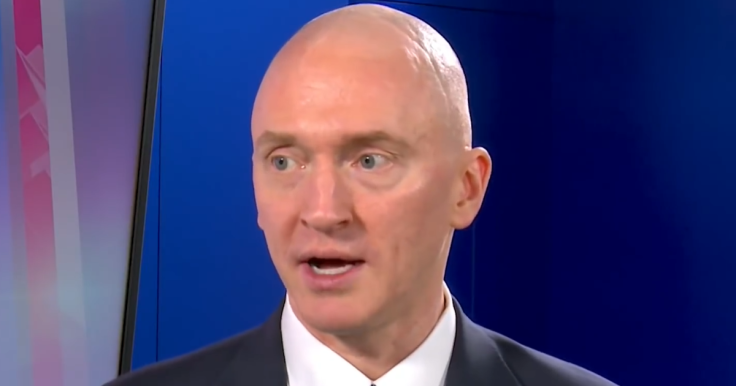
The Supreme Court on Monday rejected former Trump campaign adviser Carter Page's attempt to revive a lawsuit against former FBI Director James Comey and other former FBI officials over surveillance connected to the Russia investigation.
The brief order leaves lower court rulings in place, ending Page's effort to pursue personal claims against the officials after his separate lawsuit against the federal government was resolved.
'Denied': SCOTUS leaves Carter Page out in the cold as ex-FBI Director Comey escapes 'unlawful surveillance' lawsuit https://t.co/98GT4XiHyo
— Law & Crime (@lawcrimenews) June 15, 2026
The decision closes one of the last major legal battles to emerge from the 2016 election fallout. Page had argued that FBI officials relied on flawed Foreign Intelligence Surveillance Act (FISA) applications when seeking approval to monitor him, while later Justice Department watchdog findings found that several aspects of the applications contained errors and omissions.
Supreme Court Ends Appeal
Comey was among seven current and former FBI officials named as defendants in Page's personal-capacity claims, which sought to hold individual officials responsible for the surveillance process.
The Supreme Court did not provide an explanation for declining to hear the case, a common practice when justices reject appeals. The decision means earlier rulings from a federal district court and the US Court of Appeals for the District of Columbia Circuit remain in effect.
Both lower courts found that Page waited too long to bring his lawsuit. The issue before the Supreme Court was not whether the surveillance applications were flawed, but whether Page could still pursue damages against the officials despite the timing issue.
The ruling leaves unresolved the wider political arguments surrounding the Russia investigation, but it closes the final legal route Page had been pursuing against individual FBI officials.
A Fight Over Surveillance
Page's lawsuit centred on allegations that the FBI improperly relied on inaccurate information when seeking surveillance warrants under FISA. He has consistently denied wrongdoing and was never charged with a crime.
The case became closely tied to Trump's broader criticism of the Russia investigation. The former president has repeatedly described the probe as a politically motivated 'hoax' and defended Page, arguing that the surveillance effort represented misconduct within federal law enforcement.
That political backdrop turned Page's lawsuit into more than a dispute over legal procedure. It became part of a larger fight over whether officials involved in the investigation should face personal consequences for the decisions they made.
For Page, the case represented an attempt to challenge what he viewed as an unlawful government action. For critics, the litigation became another chapter in the long-running political battles that followed the 2016 election.
Government Settlement Changed The Case
The Supreme Court appeal involved only Page's claims against individual officials. His separate claims against the federal government, including the Justice Department and the FBI as institutions, were no longer before the court after being settled earlier this year.
The Trump administration agreed to a $1.25 million (£930,000) settlement with Page, resolving those government claims and leaving the personal lawsuits against officials such as Comey as the remaining legal question.
That settlement changed the shape of the case. Instead of deciding whether Page could obtain compensation from the government, the courts were left to consider whether individual officials could still be sued personally.
The Supreme Court's decision effectively ends that remaining challenge.
Final Legal Chapter
The key issue was ultimately timing. Lower courts found that Page had missed the deadline for filing his claims, and the appeals court upheld that conclusion before the matter reached the Supreme Court.
With the justices declining to intervene, Page's years-long effort to pursue legal action over the surveillance of him has reached its final stage.
The case remains significant because it sits at the intersection of two major issues from the Trump era: the Russia investigation and the debate over accountability for government officials involved in national security decisions.
Although the legal proceedings are now largely finished, the political dispute surrounding the investigation remains active. Trump allies continue to point to the surveillance process as evidence of government overreach, while critics argue that later court outcomes do not erase the broader findings about the investigation's origins.
Political Fight Continues
Comey's attorney, David N. Kelley, declined to comment after the settlement was disclosed in a Supreme Court filing in April.
The ruling marks another legal chapter closing from the Russia investigation era, even as the political arguments surrounding those events continue.
For Page, the Supreme Court's decision means the personal claims against former FBI officials will not move forward. For Washington, it serves as another reminder that many of the legal battles born from the 2016 election have now reached their conclusions, even if the disputes that created them remain unresolved.
© Copyright IBTimes 2026. All rights reserved.
- Recommended For You