

'A Great Deal of Fear': Trump Visa Rules Spark 'Pretty Steep Declines' for US College Enrolments
Trump visa rules are raising fears of declining international enrolments as US universities warn of financial consequences for American students
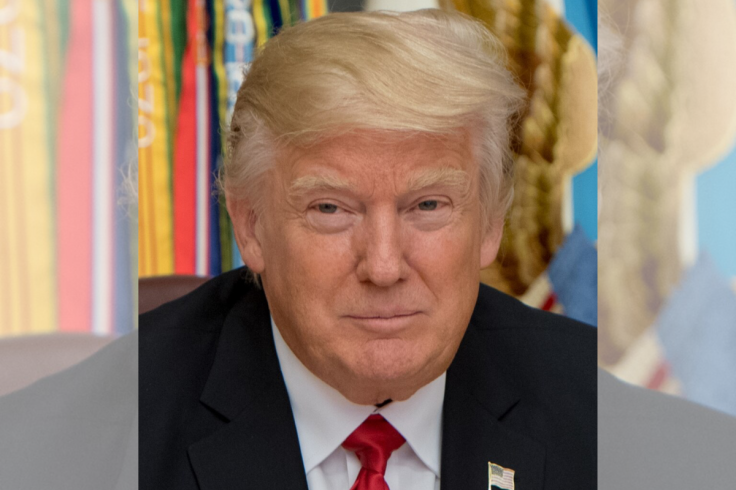
International student numbers at participating US colleges fell 9% this autumn, according to a preliminary survey, as President Donald Trump's immigration policies prompt questions from overseas families. Denison University in Ohio says it expects a sharp decline in its own intake, although it has yet to confirm the scale.
The Institute of International Education's survey of 809 institutions also found that new international enrolments fell 15%, as did graduate student numbers.
The figures include graduates on practical training. They reflect the institutions that took part, not a final national census. Institutions also cited costs and competition from overseas destinations as factors affecting enrolment.
Families Question Future at US Colleges
At Denison, a private liberal arts university, international students make up 17% of the student body. President Adam Weinberg told Politico that parents had contacted the university with questions about changing rules and what they could mean for their children's studies.
He said the institution could not yet give a final figure for its international intake, but 'we expect pretty steep declines'. His assessment was a warning about Denison's prospects, not confirmation that enrolment there had already fallen by that margin.
The uncertainty is also being felt at institutions with much smaller international populations. Patricia McGuire, president of Trinity Washington University in Washington DC, where overseas students account for less than 2% of enrolment, said immigration policies and enforcement have 'spread a great deal of fear and a great deal of anxiety'.
McGuire said faculty members on visas and undocumented students were also worried. Her comments point to concerns on campus beyond those faced by students who have travelled from abroad.
Questions Over Visas and Jobs After Graduation
The administration has tightened visa screening, saying stronger controls are needed to combat visa abuse and protect opportunities for Americans. It has also sought to limit how long international students can remain in the country and their access to post-study employment.
A rule finalised in July that would introduce fixed periods of admission was blocked by a federal court before it took effect in September. A separate proposal concerning Optional Practical Training, which allows eligible international students to gain work experience, has raised questions about post-study employment.
Denison University president Adam Weinberg said he supports immigration enforcement and expects universities to serve Americans. He also said US colleges need to attract and retain talent from abroad.
International students often pay full tuition fees, helping fund courses and services used by domestic students.
Zuzana C. Wootson, deputy director of federal policy at the Presidents' Alliance on Higher Education and Immigration, cited research linking each additional international undergraduate at public universities with about two more in-state first-year students, on average.
The finding does not mean every university gains two domestic places for each international enrolment. The research indicates that the effect varies according to institutional capacity and admissions policies. Denison is a private university and was not included in the public-university estimate.
Republican Congressman Tim Walberg, chairman of the House Education and Workforce Committee, defended the administration's emphasis on domestic applicants, saying American students' access should come first.
Families are making admissions decisions as universities assess how changes to immigration rules may affect future student numbers.
© Copyright IBTimes 2026. All rights reserved.