Hantavirus Outbreak Spreading: How Worried Should You Really Be?
Hantavirus outbreak on a cruise ship near Cape Verde has caused 3 deaths

A suspected hantavirus outbreak aboard a cruise ship in the Atlantic has triggered international concern after multiple deaths and infections were reported, raising questions about whether the public should be alarmed or simply cautious.
Health authorities, including the World Health Organisation (WHO), confirmed that at least three people have died and several others have fallen ill aboard the vessel, which has been stranded off the coast of Cape Verde while investigations continue.
The ship, carrying about 150 passengers and crew, was placed in isolation as medical teams worked to contain the outbreak and determine its origin.
What Is Hantavirus, and How Does It Spread?
Hantavirus is a rare but potentially severe viral infection typically associated with rodents such as rats and mice. It is most commonly transmitted through contact with their urine, droppings, or saliva, particularly in enclosed or poorly ventilated environments.
In most cases, humans become infected by inhaling airborne particles contaminated by rodent waste rather than through direct contact with animals.
Health experts emphasise that outbreaks are uncommon and usually linked to specific environmental exposure rather than widespread human transmission. However, some rare strains have shown limited person-to-person spread under close-contact conditions.

Symptoms Can Escalate Quickly
One of the key reasons hantavirus draws concern is the rapid progression of symptoms. Initial signs often resemble those of a flu-like illness, including fever, fatigue, muscle aches, and headaches.
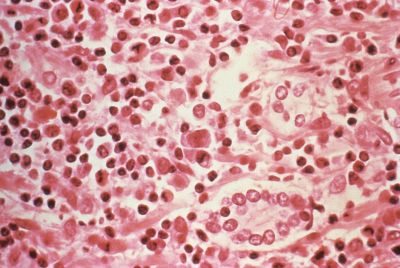
In more severe cases, the infection can progress to hantavirus pulmonary syndrome (HPS), a life-threatening condition that affects the lungs and can lead to respiratory failure.
According to medical guidance, early symptoms may appear mild before rapidly escalating, making a timely diagnosis critical for survival.
WHO: Risk to the Public Remains Low
Despite the outbreak's alarming nature, global health authorities have repeatedly stressed that the risk to the general public is currently low.
The WHO has stated that hantavirus infections are typically linked to environmental exposure and are not easily transmitted between people, reinforcing that widespread community spread is unlikely.
Officials also noted that there is no need for panic or travel restrictions, as investigations continue into whether the cruise ship environment or prior exposure in South America is responsible.
Why Cruise Ships Raise Concern
Cruise ships are closely monitored during outbreaks due to their enclosed environments, shared facilities, and high passenger density, which can increase the risk of transmission once an infection is present.
Epidemiological studies have long shown that ships can amplify the spread of infectious diseases when sanitation or ventilation conditions are compromised, making rapid containment essential.
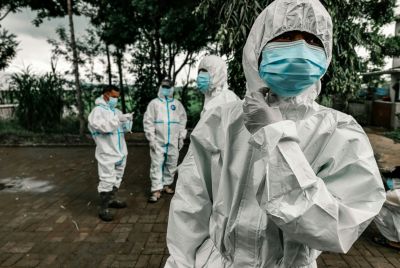
In this case, authorities have isolated affected passengers, initiated contact tracing, and deployed medical teams onboard while laboratory testing continues.
Should the Public Be Worried?
For most people, the answer is no, concerned, not panicked.
Hantavirus remains a rare disease, and human infection typically requires specific exposure to infected rodents or contaminated environments, not casual contact with other people.
The current outbreak appears to be contained to a single vessel, and there is no evidence of widespread transmission beyond that setting. Health officials continue to monitor the situation closely, but there is no indication of a broader public health emergency.
A Reminder of Targeted, not Global, Risk
While the situation has understandably drawn attention due to its severity and unusual setting, experts stress that it does not represent a generalised threat to the public.
Instead, it highlights the importance of environmental hygiene, early detection, and rapid response in confined travel environments.
As investigations continue, the key message from health authorities remains consistent: hantavirus is serious but rare, and the current outbreak is being actively contained rather than spreading uncontrollably.
© Copyright IBTimes 2026. All rights reserved.
- Recommended For You