

Henry Nowak's Killer Vickrum Digwa Sentenced to Life in Prison, Student's Final Moments Revealed in Court
Vickrum Digwa jailed for life after murdering student Henry Nowak, sparking national outrage and calls for police investigation
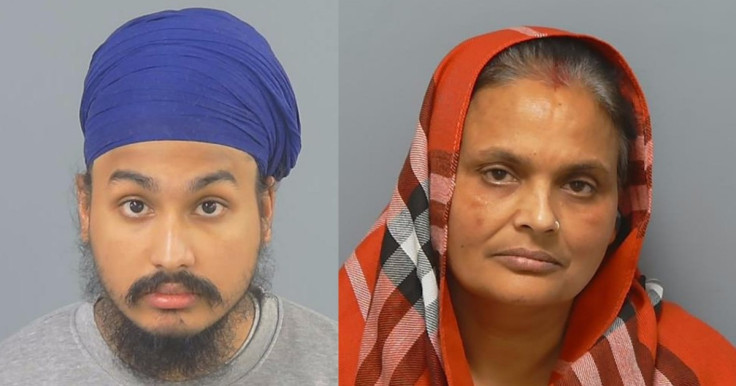
A weapons-obsessed killer who stabbed university student Henry Nowak to death before falsely claiming self-defence has been jailed for life with a minimum term of 21 years.
Vickrum Digwa, 23, was sentenced at Southampton Crown Court for the murder of the 18-year-old first-year University of Southampton student, whose death sparked national outrage after police handcuffed him as he lay dying on the street.
The court heard Digwa repeatedly lied to officers after the attack, falsely alleging that Nowak had racially abused him and forced him to act in self-defence. Those claims were firmly rejected by the judge, who said the defendant's actions had not only devastated a family but also fuelled unnecessary racial tensions.
Student's Final Moments Revealed in Court
Nowak, from Chafford Hundred in Essex, was walking back to his university accommodation shortly before midnight on 3 December when he encountered Digwa, who was carrying a large bladed weapon.
The court heard that Digwa stabbed the teenager five times, including wounds to his face, legs and a fatal injury to the chest.
Neighbours heard Nowak desperately calling out that he had been stabbed and was dying. He attempted to escape by climbing over a fence, leaving a trail of blood behind him.
Body-worn camera footage later released with the family's permission showed Henry repeatedly telling officers, 'I've been stabbed' and 'I can't breathe'.
However, after Digwa's false allegations, officers treated Nowak as a suspect and handcuffed him behind his back while he lay critically injured. Minutes later, he became unresponsive.
Judge William Mousley KC described Nowak as a 'much-loved' young man whose murder had inflicted a lifetime of grief upon his family.
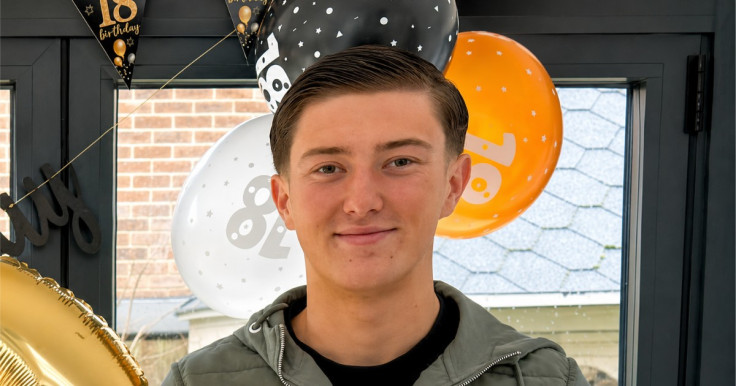
Family's Grief and Calls for Answers
In an emotional victim impact statement, Henry Nowak's father, Mark, told the court he was haunted by thoughts of his son's final moments.
'I couldn't help Henry in his final moments and there is nothing I can do to bring him back,' he said.
Fighting back tears, he added: 'To my dying son, who I love beyond words, I'm so sorry that I let this happen.'
Outside court, Mr Nowak criticised the way his son was treated after the stabbing, describing the contrast between Henry and his killer as 'unbearable'.
'Henry should not have died on the streets of Southampton in police custody,' he said.
The family is calling for a full investigation into the police response, while Hampshire and Isle of Wight Constabulary has already referred itself to the Independent Office for Police Conduct.
Police leaders have apologised, acknowledging that officers were misled by false information provided at the scene.
Weapons Obsession and Life Sentence
Prosecutors described Digwa as having a 'weapons obsession'. Following the murder, police discovered more than 20 weapons at his family home.
The murder weapon, a 21cm blade carried by Digwa, was later hidden by his mother, Kiran Kaur, who was subsequently convicted of assisting an offender. She will be sentenced next month.
The court also heard evidence challenging Digwa's claim that the blade was carried as part of his Sikh faith. Sikh organisations stressed that the weapon used was not a traditional religious Kirpan and condemned attempts to link the murder to Sikh religious practice.
Sentencing Digwa, Judge Mousley said he had brought 'shame' upon both his family and his religion through his actions and subsequent lies.
Prime Minister Sir Keir Starmer described the case as 'awful' and 'shocking', saying Henry's loved ones had endured the pain of a lengthy trial while facing false allegations about a young man who was 'thoughtful, kind and deeply loved'.
For Nowak's family, however, the sentence brings only limited comfort as they continue to seek answers about the circumstances surrounding the teenager's final moments.
© Copyright IBTimes 2026. All rights reserved.
- Recommended For You


