Serial Killer Rex Heuermann Lived A Double Life: Architect By Day, Murderer By Night
After decades of haunting Long Island, the Manhattan professional has traded his blueprint for a life sentence following a shock courtroom admission

The search for justice in America's most infamous cold case reached a grim conclusion on Wednesday as Rex Heuermann formally confessed to his crimes.
During a packed hearing at Suffolk County Court in Riverhead, the 62-year-old Manhattan architect entered a guilty plea in 2026, admitting to the murders of seven women and the killing of an eighth.
The admission brings a definitive end to the mystery of the Long Island architect murders, a saga that began more than 30 years ago.
Heuermann, who previously maintained his innocence, appeared matter-of-fact as he detailed how he strangled and dismembered his victims before dumping their remains along the desolate Ocean Parkway.
The breakthrough marks the most significant Gilgo Beach murder trial update since Heuermann's arrest in 2023. Prosecutors revealed that the Massapequa Park serial killer lived a meticulously compartmentalised existence, balancing a successful career in Midtown Manhattan with a predatory secret life.
Heuermann is now expected to be sentenced in June to life in prison without the possibility of parole, ensuring the man who terrorised New York's South Shore will never again walk free.
A Respectable Career Masking A Dark Reality
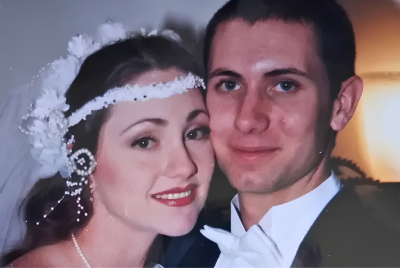
By all outward appearances, Heuermann was a Long Island-based architect who worked in Manhattan and lived with his family in Massapequa Park. Yet behind that façade, authorities say, he carried out a series of calculated killings spanning nearly three decades.
Prosecutors described him as a man who 'led a secret life as a serial killer', concealing his crimes while maintaining a professional career and family routine.
According to The Guardian, Heuermann admitted to luring his victims with money and using burner phones to bypass traditional surveillance.
The Gilgo Beach Murders: A Case That Spanned Decades
The killings linked to Heuermann form part of the infamous Gilgo Beach serial killings, a string of murders dating from 1993 to 2010.
The case first drew widespread attention in 2010 and 2011 when human remains were discovered along Ocean Parkway near Gilgo Beach. Many of the victims were women working as escorts, and their disappearances initially went unsolved for years.
Among the victims were eight women Heuermann ultimately admitted to killing, including several known collectively as the 'Gilgo Four'.
The prolonged failure to identify a suspect turned the case into one of America's most haunting unsolved mysteries, until a breakthrough decades later.
How Investigators Finally Closed In
The investigation saw renewed momentum in 2022 after the formation of a dedicated task force.
A crucial breakthrough came through forensic evidence, including DNA retrieved from a discarded pizza crust, which matched genetic material found on one of the victims.
Authorities also linked Heuermann to the crimes through mobile phone data, burner phone usage, and digital records that revealed a pattern of targeting victims.
He was arrested in 2023, ending years of speculation and investigative dead ends.
Chilling Confession In Court

In April 2026, Heuermann pleaded guilty to multiple counts of murder and admitted responsibility for eight killings.
During his courtroom admission, he described how he lured victims, often using burner phones, before killing them, primarily by strangulation, and disposing of their bodies in remote areas.
Some victims were dismembered, while others were bound and wrapped before being abandoned along Long Island's shoreline.
The confession brought emotional reactions from victims' families, many of whom had waited decades for answers.
A Calculated Predator
Investigators say the murders were not random but carefully planned. Evidence recovered from Heuermann's home reportedly included detailed notes and materials linked to the killings.
Prosecutors outlined how he specifically targeted vulnerable women, often those involved in sex work, using deception to gain their trust.
This methodical approach, combined with his ability to maintain a normal outward life, allowed him to evade capture for years.
Justice, But Lingering Questions
Heuermann now faces life imprisonment without the possibility of parole, bringing legal closure to a case that spanned over 30 years.
For families of the victims, the guilty plea offers some measure of resolution. One relative described the moment as bringing 'solace' after years of uncertainty and grief.
Yet the case leaves lingering questions about how such crimes went undetected for so long, and whether additional victims may still be linked to the killer.
The story of Rex Heuermann stands as a stark illustration of how appearances can deceive. By day, he designed buildings. By night, prosecutors say, he orchestrated a campaign of violence that would remain hidden for decades, until forensic science and persistence finally exposed the truth.
© Copyright IBTimes 2026. All rights reserved.
- Recommended For You