Why Logistics Costs Are Changing the Economics of Recycling in Britain
Discover how high transport and processing costs impact Britain's recycling sector
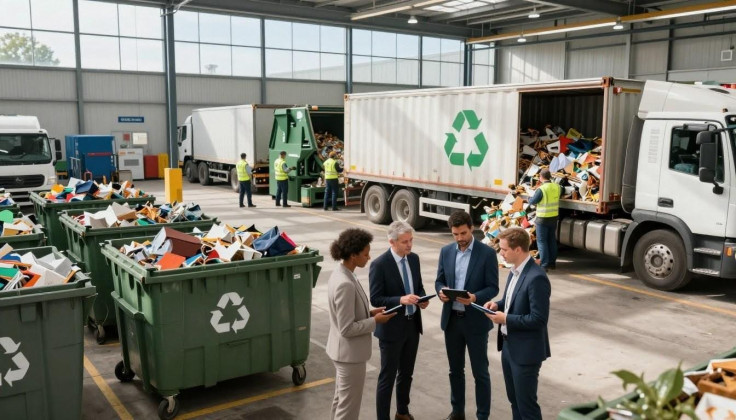
For many people, recycling begins with placing a bin at the edge of the pavement or arranging for unwanted items to be collected. What happens after that is rarely considered, yet every stage of the journey depends on transportation. From household collections and commercial waste pickups to sorting facilities and recycling plants, the movement of materials has become one of the largest operational expenses facing the waste management industry.
This growing pressure is not limited to large recycling companies. Businesses and households also feel the effects as collection costs gradually rise. Whether someone is arranging the removal of renovation debris, clearing a property before a move or looking for rubbish removal London after a major decluttering project, the final price increasingly reflects the wider economic realities affecting transport, labour and waste processing across the country.
Although public discussion often focuses on recycling targets and environmental policies, the financial side of waste management receives far less attention. Behind every successful collection is a complex network of vehicles, drivers, transfer stations, processing facilities and compliance requirements. When the cost of operating that network increases, the impact is felt throughout the entire industry.
Transportation Is the Foundation of Modern Recycling
Unlike many industries where products remain in one location until they are sold, recycling depends almost entirely on continuous movement. Materials are collected from thousands of individual locations before being transported to facilities where they are sorted, processed and prepared for reuse.
Each journey requires fuel, vehicle maintenance, qualified drivers and careful route planning. Even relatively small increases in operating expenses can have a noticeable effect when multiplied across hundreds of collection vehicles travelling every day.
Urban areas present additional challenges. Congested roads, restricted parking, low-emission zones and longer loading times reduce the number of collections that can be completed within a working day. As efficiency falls, operating costs naturally increase.
Companies therefore face a constant balancing act between maintaining reliable collection schedules and managing the rising expenses associated with running large vehicle fleets.
More Than Fuel Prices
Fuel remains one of the most visible expenses, but it is only one part of a much larger picture.
Vehicle maintenance has become increasingly expensive as replacement parts, specialist repairs and servicing costs continue to rise. Commercial vehicles often cover significant distances every week under demanding conditions, making preventative maintenance essential for both safety and operational reliability.
Insurance premiums have also increased for many fleet operators, particularly those managing larger commercial vehicles. At the same time, employers must compete for experienced drivers in a labour market where recruitment has become increasingly challenging.
These factors combine to create a steady increase in the overall cost of operating waste collection services, regardless of whether fuel prices rise or fall over short periods.
Recycling Is More Complex Than Many People Realise
Public perception often assumes that recyclable materials immediately become valuable resources after collection. In reality, significant work takes place before those materials can re-enter manufacturing.
Paper, plastics, glass and metals must be separated, inspected and processed according to strict quality standards. Contamination can reduce the value of entire loads, meaning additional sorting is frequently required.
Every additional stage involves further transportation between facilities. A single batch of recyclable material may travel several times before reaching its final destination.
The logistics involved in coordinating these movements require sophisticated planning, particularly when facilities specialise in processing only certain types of material. Longer transport distances naturally increase operating costs while also creating additional environmental considerations.
The Pressure Extends Beyond Recycling
The same economic pressures affect virtually every part of the wider waste management sector.
Construction projects generate substantial volumes of debris that require specialist collection and disposal. Office refurbishments often produce mixed waste streams that must be separated before processing. Retail businesses require reliable scheduled collections to maintain safe working environments, while local authorities continue managing household waste under increasingly demanding financial conditions.
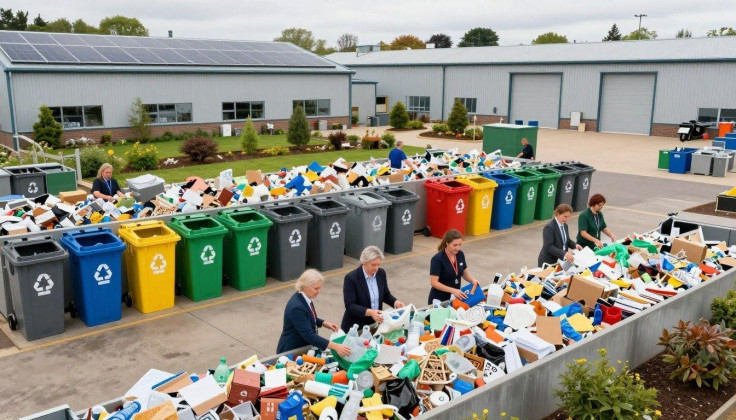
Each of these services depends on transport networks operating efficiently.
When one part of the logistics chain becomes more expensive, the effects gradually spread throughout the entire sector.
Consumers Are Beginning To Notice
Many households now experience these changes directly.
Home renovations, garden clearances, property sales and house moves often generate more waste than expected. While people understandably focus on the visible cost of labour, they may overlook the significant transportation involved after materials leave the property.
Collection vehicles must travel to the location, safely load waste, transport it to licensed facilities and ensure that different materials are handled according to environmental regulations. Each stage contributes to the overall cost of the service.
As operational expenses continue to increase, businesses must carefully balance competitive pricing with maintaining responsible disposal practices that comply with current regulations.
Technology Offers Part of the Solution
Many operators are investing in technology to improve efficiency rather than simply passing every additional cost directly to customers.
Route optimisation software allows companies to reduce unnecessary mileage while improving scheduling accuracy. GPS fleet management helps monitor vehicle performance, minimise idle time and identify more efficient collection routes.
Some organisations have also begun introducing electric collection vehicles where infrastructure allows, although widespread adoption remains challenging due to higher purchase costs and charging requirements.
Digital booking systems have further improved operational planning by allowing companies to group nearby collections, reducing travel distances and improving overall fleet utilisation.
While these innovations cannot eliminate every financial pressure, they demonstrate how technology can offset part of the increasing operational burden.
Building a More Resilient Industry
Britain's recycling ambitions depend on more than public participation. They also rely on a transport network capable of moving millions of tonnes of material efficiently, safely and economically.
As policymakers continue encouraging higher recycling rates, equal attention should be given to the infrastructure that supports those objectives. Investment in modern vehicle fleets, improved processing facilities and smarter logistics systems can help reduce long-term costs while improving environmental performance.
Consumers also play an important role by separating waste correctly, reducing contamination and using recycling services whenever possible. Better-quality recyclable material lowers processing costs and improves efficiency throughout the supply chain.
Looking Ahead
The economics of recycling will continue evolving alongside wider changes in transportation, technology and environmental policy. While rising logistics costs present genuine challenges, they also encourage innovation across the industry.
Companies that invest in smarter routing, modern fleets and efficient operational practices are likely to be better positioned for the future. At the same time, continued collaboration between local authorities, businesses and consumers will remain essential if Britain is to achieve its environmental goals without placing unnecessary financial strain on the sector.
Although recycling is often viewed primarily through an environmental lens, its long-term success depends just as much on practical logistics. Every collection, every transfer and every delivery represents another link in a complex supply chain where efficiency matters. As transportation costs continue to shape the industry, understanding that hidden network provides valuable insight into why the economics of recycling are changing across Britain.
© Copyright IBTimes 2026. All rights reserved.
- Recommended For You