

'I Think It Was Too Tough': Donald Trump Says He Wants To Work With the Democrats on Immigration
Trump considers an immigration deal with Democrats after questioning his deportation crackdown
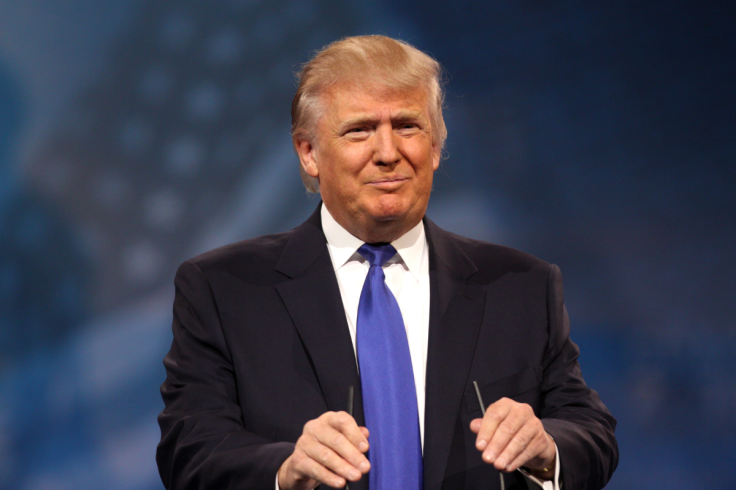
President Donald Trump ruled out immigration amnesty at the White House on Monday, 9 November, after suggesting his deportation crackdown might have been 'too tough' and offering to negotiate with Democrats.
His clarification followed a CBS 60 Minutes interview broadcast on Sunday, five days after Republican midterm defeats handed Democrats majorities in the next Congress.
The remarks also contrasted with Trump's appointment of immigration hardliner Stephen Miller as White House chief of staff.
Donald Trump Raises Prospect of an Immigration Deal
During the CBS interview, recorded at the White House on Friday, 6 November, correspondent Ross Douthat asked what Trump wanted to pursue with the incoming Democratic majority.
'I'd love to do something on immigration,' Trump replied.
He described people who entered the country illegally but had since found work in landscaping, hotels and other industries. Some paid taxes, he said, while Americans disagreed over whether such workers should be deported.
Trump also mentioned immigrants who had lived in the United States for 10 or 15 years. He suggested a negotiated arrangement might be possible but offered no eligibility rules, legislation or commitment to legal status.
Asked whether his deportation policy had gone too far, Trump replied, 'I think it might be too tough, yeah.'
He argued that immigration enforcement had both helped and hurt Republicans politically. Trump also identified the Iran war and higher petrol prices as reasons for the party's election losses, rather than blaming deportations alone.
But the president moved to narrow interpretations of his comments the following day. Asked at the White House whether Miller had been told to change deportation policy, Trump said the administration would continue targeting people he described as dangerous criminals.
'There won't be amnesty,' he said, adding that 'my policy hasn't changed.'
Donald Trump's Position Puts Stephen Miller in the Spotlight
The White House announced Miller's promotion on 6 November, shortly after Trump's CBS interview was recorded. He replaced Susie Wiles, who had served as chief of staff since the start of Trump's second term.
Miller has played a central role in the administration's deportation strategy and has consistently advocated strict enforcement. His promotion raises questions about how far any compromise could go, although neither man has publicly acknowledged a disagreement.
Homeland Security Secretary Markwayne Mullin reinforced the administration's position on Monday. Speaking to reporters near Washington, he said Democrats had contacted him about cooperation, but no concrete policy changes had been discussed with Trump.
Wrong. The word “amnesty” was never even said in this entire exchange. https://t.co/tEM172FD1F
— Rapid Response 47 (@RapidResponse47) November 9, 2026
Mullin opposed amnesty while suggesting Congress could consider measures involving recipients of Deferred Action for Childhood Arrivals, known as DACA. That programme protects some people brought to the United States as children from deportation.
Democrats were unconvinced by Trump's apparent change in tone. Senate Democratic leader Chuck Schumer criticised Miller's promotion, arguing that elevating the architect of the crackdown was hardly a change of course.
Republican Representative María Elvira Salazar offered a different response. She welcomed Trump's willingness to discuss reform and linked his remarks to her bipartisan Dignity Act proposal.
The White House's rapid-response account also disputed descriptions of Trump's interview as an amnesty offer, pointing out that he had never used the term.
Trump said Democratic politicians had approached him about immigration. He named none of them, and no proposed agreement or timetable has been made public
© Copyright IBTimes 2026. All rights reserved.