

Donald Trump's Religious Views Explained: Why POTUS Will Not Forgive His Political Enemies
Trump describes himself as religious but links his refusal to forgive political rivals to hatred he expects will endure
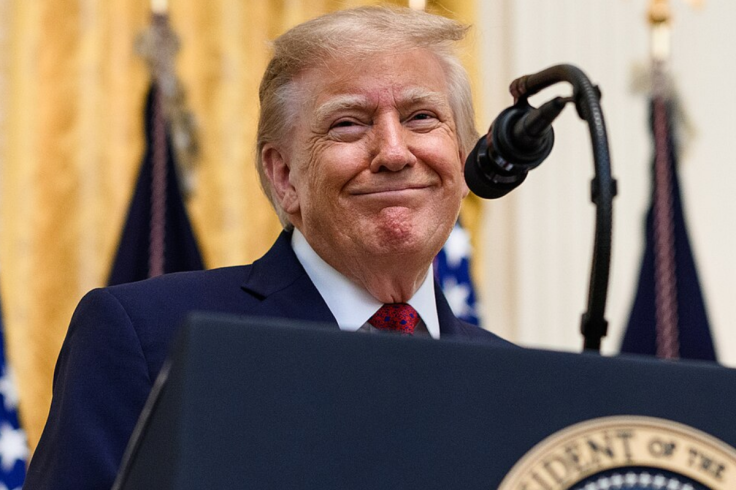
Donald Trump expressed hope of going to heaven but rejected forgiving political rivals when questioned about James Comey and Nancy Pelosi in a 60 Minutes interview on 8 November.
The exchange with Ross Douthat followed Republican losses in the midterm elections. Alongside questions about the war in Iran, petrol prices and his administration's direction, the president discussed his religious beliefs and whether he could forgive people he regarded as enemies.
His answers placed a personal question about the afterlife within a conversation that also addressed political decisions and their consequences. When Douthat connected forgiveness with the prospect of entering paradise, Trump declined to extend it to his opponents.
Donald Trump Expresses Hope of Heaven
Questioned about where he would go after death, Trump described himself as religious while expressing hope, rather than certainty, about his destination.
'I'm a religious person, so in theory I go to heaven... I hope so. I don't want to go to hell'.
The discussion later turned to whether he could forgive political enemies, with Comey and Pelosi named in the question. Trump's response addressed that possibility without offering an explanation of his specific grievances against either person.
The distinction matters to the scope of his remarks. The question identified the two rivals, while Trump's subsequent description of hatred referred to some of his enemies.
Political Forgiveness Draws Donald Trump's Refusal
When Douthat questioned whether he could forgive those opponents to enter paradise, Trump rejected the suggestion.
'The answer is no. I want to be honest, no'.
He elaborated on his refusal.
'I probably cannot do that, no, because I do hate some of my enemies and I always will.'
In the quoted exchange, Trump did not identify everyone he included in that category. Nor did he outline any circumstances in which he might reconsider his response about forgiving Comey and Pelosi.
The conversation also ranged beyond religion and domestic politics to artificial intelligence and UFOs. On the latter subject, Trump expressed scepticism while describing accounts from Air Force pilots whom he considered credible.
Donald Trump Addresses Midterm Losses
On the election results, Trump defended his handling of the Iran war while attributing some of the Republican losses to public dissatisfaction with the conflict and higher petrol prices. He indicated that voters 'didn't like the war'.
He also described 'bad messaging' on the economy and indicated that he had been 'too tough' on immigration at certain points during his crackdown. He argued that his absence from the ballot contributed to the Republican losses.
Trump attributed the outcome partly to Republican supporters failing to vote and, in some cases, disliking the candidates. Discussing those supporters, he stated that they 'didn't vote, really. I think they didn't vote. I think in some cases, they didn't like the candidates. And that's, you know, their prerogative'.
Those were Trump's explanations for the result. The quoted remarks do not independently establish voter turnout or the reasons behind individual voting decisions.
Looking towards the remainder of his presidency, Trump indicated that he would probably endorse a successor closer to its conclusion, while leaving that decision open. He also outlined plans for a 'tremendous number of pardons' before leaving office.
© Copyright IBTimes 2026. All rights reserved.