The End of An Era: CBS Axes Colbert; 'Late Show' Host Prepares for Final Bow
As Stephen Colbert bids farewell, the decline of traditional late-night TV becomes more apparent

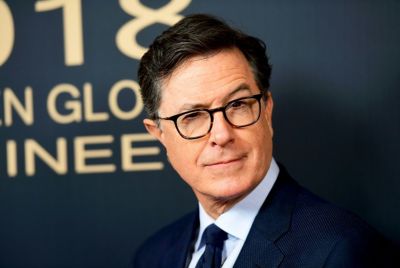
The Stephen Colbert Late Show finale marks a turning point not just for one program, but for an entire television format that once defined late-night entertainment. As Stephen Colbert prepares for his final bow, the story is no longer only about a farewell, but about what many are now calling the end of late-night TV as we know it.
What used to be a cultural ritual, staying up for monologues, celebrity interviews, and musical guests, is now competing with algorithm-driven clips, streaming platforms, and short-form video that never pauses. The traditional late-night structure is still on air, but its cultural dominance is clearly fading.
The End of Late-Night TV as We Know It
The cancellation of The Late Show with Stephen Colbert by CBS has intensified discussion around the late-night TV decline, a trend that has been building quietly for years.
First on LateNighter: Jimmy Kimmel is bowing out so Stephen Colbert can bow out. 'Jimmy Kimmel Live!' will go dark next Thursday, stepping aside for Stephen Colbert’s 'Late Show' finale on CBS. https://t.co/WZ7aQvVJKu
— LateNighter (@latenightercom) May 11, 2026
CBS confirmed in July 2025 that the show would end in May 2026, citing financial pressures. However, the announcement quickly sparked broader speculation, especially given the timing alongside corporate restructuring linked to the Paramount and Skydance deal, which has fueled debate about the wider Paramount Skydance merger impact on CBS.
Colbert, who has hosted the show since 2015, became known for sharp political satire and cultural commentary. But even strong ratings history and a loyal audience are increasingly not enough in a fragmented media ecosystem where attention is the most valuable currency.
A Farewell Season Built Like a Cultural Event
The Stephen Colbert final episode, May 2026, is being shaped less like a standard television ending and more like a curated cultural send-off.
The final stretch began with former US President Barack Obama as a guest, setting a high-profile tone for the farewell run. On May 11, Colbert is joined by fellow late-night hosts Jimmy Fallon, Jimmy Kimmel, Seth Meyers, and John Oliver, a rare on-air reunion of competitors who previously collaborated during the Strike Force Five podcast.
The guest list continues to grow with major names including Tom Hanks, Pedro Pascal, Julia Louis-Dreyfus, and John Krasinski. The final episode on May 21 is expected to combine celebrity appearances, musical performances, and Broadway-style segments, turning the farewell into a large-scale television moment rather than a quiet sign-off.
The ultimate Late Night crossover is finally happening. This is not a drill! For his final episodes of The Late Show, Stephen Colbert is reuniting the "Strike Force Five." We’re talking Letterman, Kimmel, Oliver, Fallon, and Meyers all on one stage. It’s the end of an era for CBS… pic.twitter.com/tNyeRLbvMB
— Famease (@Fameasemedia) May 9, 2026
David Letterman's Sharp Criticism of CBS
One of the most viral reactions came from former host David Letterman, who openly challenged the network's narrative around the cancellation.
His comments cut through the industry noise, especially when he stated: 'They're lying weasels.'
The blunt remark has circulated widely online, adding a layer of controversy to an already emotionally charged farewell. It also reflects a deeper tension within the industry, where legacy figures are increasingly questioning how decisions are made behind closed doors at major networks like CBS.
David Letterman says CBS is lying about canceling Stephen Colbert and "The Late Show" for "financial" reasons: “I’m just going to go on record as saying: They’re lying. Let me just add one other thing... They’re lying weasels.”https://t.co/J2fR0dDePw
— Zack Sharf (@ZSharf) May 6, 2026
Why Late-Night TV Is Losing Its Grip
Beyond individual personalities, the broader end of the late-night television era is being shaped by structural changes in how audiences consume content.
‘The Late Show’ Goes Away? With CBS’s new owners under pressure to appease an administration with the authority to approve their buyout, the network could have replaced the host, but instead it got rid of the entire show. #Colbert https://t.co/mlPVEmAWRj
— R eng (@RengsecondEng) May 11, 2026
Viewers no longer rely on scheduled broadcasts. Instead, they engage with clipped segments, viral moments, and on-demand commentary across platforms like YouTube, TikTok, and podcasts. The monologue format that once defined political and cultural commentary now competes with faster, more flexible content ecosystems.
Even a host like Colbert, known for blending satire with political insight, is operating in a landscape where virality often matters more than consistency or time slot dominance.
What Comes After Colbert
The departure of Colbert raises a larger question for broadcasters: what replaces traditional late-night television, if anything at all?
For now, networks have not fully abandoned the format, but experimentation is growing. Digital-first talk shows, hybrid streaming formats, and personality-led content are increasingly filling the space once dominated by linear television.
The emotional weight of the farewell is amplified by its symbolism. With Colbert stepping down, and figures like Letterman criticising the decision, the moment feels less like a routine cancellation and more like a transition point for the entire industry.
As the final episode approaches, The Late Show is no longer just ending; it is becoming a case study in how entertainment evolves, fragments, and redefines itself in real time.
© Copyright IBTimes 2026. All rights reserved.
- Recommended For You