Kanye West Wireless Festival Faces Sponsor Collapse after Anti-Semitic, Nazism Row as Pressure Mounts on UK Entry Ban
Global giants Pepsi and Diageo cut ties with London's premier urban music event over Kanye West's history of antisemitic rhetoric, as calls for a Home Office entry ban intensify
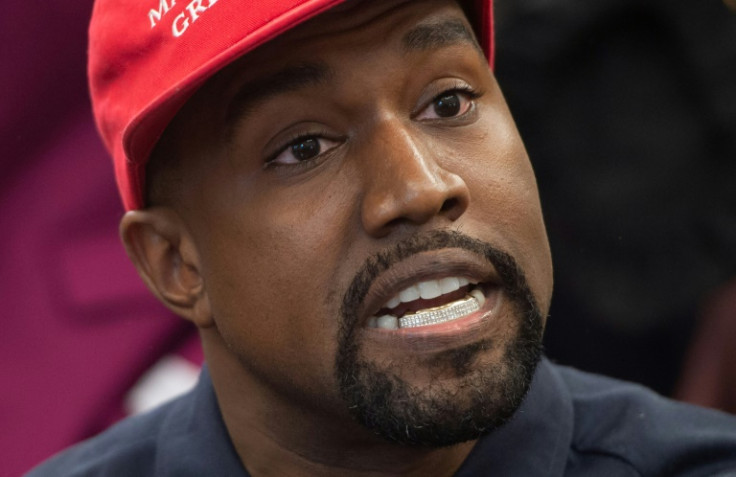
Major Sponsors, including Pepsi and Diageo, have sensationally withdrawn from London's Wireless Festival following the controversial booking of Kanye West as a headline act.
The rapper, now known as Ye, is scheduled to perform a three-night residency at Finsbury Park from 10 July to 12 July 2026. However, his return to the UK after an 11-year absence is now under threat as Prime Minister Sir Keir Starmer and London Mayor Sadiq Khan lead a political chorus of condemnation.
Industry insiders report that the exodus of corporate backing has left a multi-million-pound hole in the event's budget, with Pepsi ending a partnership that has served as a cornerstone of the festival since 2015. The fallout represents a significant crisis for London music festivals in 2026, as the industry grapples with the financial consequences of hate speech in the music industry.
Sponsors Walk Away as Pressure Builds
The first signs of strain came from corporate partners. Pepsi has pulled out as the main sponsor of the Wireless Festival, a move that took the events industry by surprise.
According to BBC News, the decision follows criticism of West's past anti-Semitic remarks and his public praise of Nazism. The response has been swift, with campaigners and figures across the industry calling for accountability.
Pepsi is not alone. Drinks giant Diageo has also withdrawn from the project. Its brands, including Johnnie Walker and Captain Morgan, had been listed as festival partners. Their withdrawal reflects growing unease among global companies connected to the event.
For organisers, the impact is immediate. Sponsorship sits at the heart of large festivals, and without it, the cost of controversy becomes much harder to manage.
A Booking that Reshaped the Narrative
West's planned three-night run from 10 July to 12 July was meant to be a major draw. Instead, it has changed the tone of the entire festival. Attention has shifted away from music toward the questions of platform and responsibility.
As reported by The Hollywood Reporter, Pepsi's withdrawal mirrors broader corporate concerns about brand safety and public perception. Companies are increasingly wary of aligning themselves with figures linked to hate speech or divisive rhetoric.
Although Pepsi did not publicly explain its decision, reports suggest the move came soon after West's booking was confirmed. The company had been a key sponsor since 2015, when the event was known as 'Pepsi MAX Presents Wireless'.
Organisers are now in a difficult position. Removing a headline act carries risks of its own. Keeping him on the bill could deepen the public backlash.
Among fans, opinion is divided. Some still view West as a defining artist of his generation. Others feel the line has already been crossed. That divide now shapes a broader conversation.
Political Leaders Step In
The issue has now reached the top of the government. UK Prime Minister Sir Keir Starmer has criticised the West's inclusion as a solo headliner, describing the planned appearance as 'deeply concerning'.
Starmer said antisemitism must be challenged wherever it appears, Variety reported. He added that Britain must remain a place where 'Jewish people feel safe'.
His comments have added momentum to calls for stronger action. Some politicians and advocacy groups are urging the government to ban West from entering the country, with Liberal Democrat leader Sir Ed Davey arguing the situation is 'extremely serious' and requires a clear response.
London Mayor Sadiq Khan also set out his position, describing West's past comments and actions as 'offensive and wrong'. Khan said those actions do not reflect London's values, adding that no one at City Hall is involved in organising the festival at Finsbury Park this summer.
This objection has moved beyond a cultural debate. It now touches on how the country responds to issues of hate speech and public accountability.
If it goes ahead, the appearance would mark West's return to the United Kingdom after 11 years.
A Festival Caught in the Middle
Although Kanye West's name remains on the Wireless Festival line-up, the event now sits at the centre of a much wider debate. Known for its global reach and major acts, it faces a moment that could shape its future.
Organisers are weighing artistic freedom against public trust. Sponsors are making their position clear by stepping away. Political leaders are watching closely.
At the heart of it is a difficult question. How far can a platform go before it begins to lose the support that sustains it?
For now, the music risks being overshadowed. What remains is a growing sense that this moment will leave a lasting mark, not only on one festival, but on how the industry handles controversy in the years ahead.
© Copyright IBTimes 2026. All rights reserved.
- Recommended For You