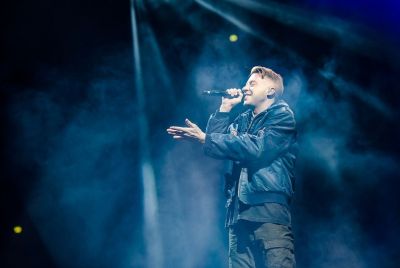
Wireless Festival Cancelled: Jay-Z Named As Original Choice Before Kanye West Disaster
The 2026 Wireless Festival faced backlash and cancellation after Kanye West was booked as headliner, despite Jay-Z being the initial choice.

New details surrounding the cancelled 2026 Wireless Festival have revealed that rap icon Jay-Z was initially the preferred headliner before organisers ultimately secured Kanye West. What began as an ambitious attempt to create a headline-grabbing, three-night spectacle instead spiralled into a public relations disaster, with the decision to book West sparking widespread backlash that led to the event's collapse.
Wireless Festival Originally Wanted Jay-Z as Headliner Before Settling for Kanye West
According to reports, festival organisers had originally hoped to bring in Jay-Z as the marquee act for the London-based event. The veteran rapper, known for his long-standing relationship with major festivals and past headline performances, was seen as a safer and more established choice. However, negotiations did not materialise, prompting organisers to turn to Kanye West as an alternative headliner.
West, who now goes by Ye, was booked to perform across all three nights of the July 2026 festival. It was an ambitious move that initially generated excitement but quickly became controversial. His selection drew criticism due to his history of antisemitic remarks and public controversies, leading to mounting pressure from politicians, advocacy groups and sponsors.
Public and industry reaction intensified in the days following the announcement. Several major sponsors, including global brands, withdrew their support, while political leaders openly condemned the decision to book West. Critics argued that choosing him as the sole headliner for all three nights amplified concerns about the festival's direction and judgement.
The situation escalated further when the UK government denied West entry into the country, citing that his presence was 'not conducive to the public good'. The decision ultimately forced organisers to cancel the entire festival, which had been expected to attract tens of thousands of attendees.
Could Jay-Z Have Saved the 2026 Wireless Festival?
In hindsight, reports that Jay-Z was the original choice have fuelled renewed discussion among fans and industry observers. Many have speculated that the outcome might have been different had organisers secured the Roc Nation founder instead. Jay-Z, who has a history of successful festival performances – including past appearances at Wireless – has largely avoided the kind of controversies that surrounded West in recent years.
The revelation has prompted mixed reactions online. Some fans expressed disappointment that Jay-Z did not ultimately headline, suggesting his involvement could have preserved the festival and avoided the backlash. Others noted that festival programming often involves complex negotiations and that line-up changes are common in the live music industry.
Meanwhile, West's booking – and subsequent ban – has become a focal point in broader debates about accountability in the entertainment industry. While some supporters argued that artists should be given opportunities for redemption, critics maintained that the festival's scale required a figure with less polarising baggage.
Organisers of Wireless Festival have not publicly detailed why negotiations with Jay-Z fell through. Still, the contrast between the two artists has become central to discussions about the event's cancellation. The situation underscores how critical headliner decisions can be in shaping not only a festival's success but also its public perception.
As the fallout continues, the 2026 cancellation marks one of the most high-profile disruptions in the festival's history, leaving fans to wonder how different things might have been had its original choice taken the stage.
© Copyright IBTimes 2026. All rights reserved.
- Recommended For You