

Interstellar Comet 3I/ATLAS Is 7 Billion Years Old, Glowing Green, and Definitely Not Alien – Experts Weigh In
Astrophysicists, like Harvard professor Avi Loeb, have repeatedly claimed that it might be an alien technology.
When astronomers confirmed that a fast-moving object detected on 1 July 2025 was racing through the Solar System on a one-way path, speculation followed almost instantly.
Social media lit up with familiar claims that the visitor now known as interstellar comet 3I/ATLAS could be something far stranger than ice and rock.
That idea has been firmly rejected by scientists, including Neil deGrasse Tyson and physicist Brian Cox, who say the real story is far more remarkable without invoking aliens.
A Visitor From Another Star
The object was first spotted by the Asteroid Terrestrial-impact Last Alert System (ATLAS), which tracks potential hazards to Earth. Its unusual trajectory quickly revealed it was not bound to the Sun, making it only the third confirmed interstellar object ever observed passing through our Solar System.
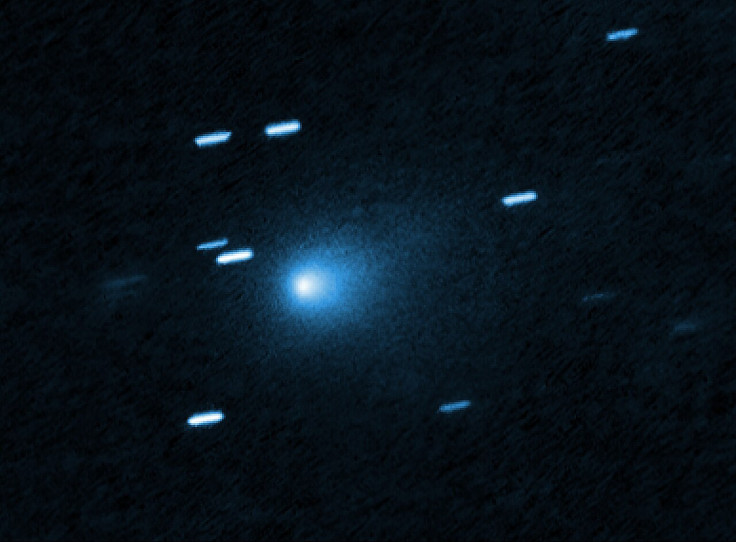
Further observations showed classic comet behaviour, like a visible coma and gas emissions triggered by solar heating. Researchers estimate the comet may be between seven and eight billion years old, meaning it formed long before Earth existed and likely around a distant, ancient star.
That alone makes 3I/ATLAS a scientific rarity, a natural time capsule drifting briefly through our cosmic neighbourhood.
Why Scientists Are Pushing Back on Alien Claims
The renewed attention to the comet largely stemmed from unfounded claims that it could be an alien spacecraft. Astrophysicists, like Harvard professor Avi Loeb, have repeatedly claimed that it might be an alien technology for some because of some unusual features like the 'anti-tail.'

However, on StarTalk, Brian Cox addressed those suggestions head-on, calling them a distraction from the discovery's genuine significance.
Cox emphasised that scientists are observing material from another star system, something that was never before possible until recently. He noted that turning such an event into speculation about extraterrestrial engineering misses what makes it extraordinary in the first place.
'[3I/ATLAS is] a fascinating thing that current estimates say is maybe 7, 8 billion years old, has come from a distant star system older than our Solar System. An unprecedented opportunity to observe material that's coming from a distant star system. And yet you see people going 'it's aliens',' Cox said.

Neil deGrasse Tyson echoed that sentiment, pointing out that the object behaves exactly like a comet should. If it were artificial, Cox joked, it would be an oddly designed spacecraft, one that spends almost no time near Earth before heading straight back into interstellar space.
Why the Comet Is Glowing Green
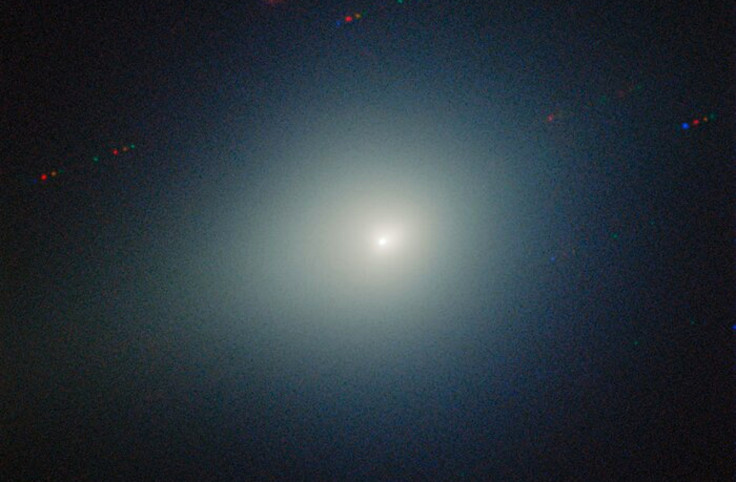
Recent images from the Gemini North telescope in Hawai'i have added another layer of fascination. After reemerging from behind the Sun, the comet appeared with a faint greenish glow, a change from earlier reddish tones seen in images taken from Gemini South in Chile.

Scientists say the colour shift is due to gases in the comet's coma reacting to solar heat. As the comet warms, molecules like diatomic carbon (C2) evaporate and emit light at green wavelengths. Experts define this process as common in comets and provide valuable insight into their chemical makeup.
According to reports, the images were captured using multiple filters and show colourful streaks in the background caused by stars shifting relative to the comet during exposure.
Still Changing as It Leaves
What remains uncertain is how 3I/ATLAS will behave as it moves away from the Sun. Scientifically, heat takes time to penetrate a comet's interior, and some comets experience delayed reactions, including sudden gas releases or outbursts, even after passing their closest solar point.
However, scientists plan to continue monitoring the object to track any changes in its composition or activity as it cools and returns to interstellar space.
© Copyright IBTimes 2026. All rights reserved.