EU Bets on Nuclear Tech to Shield Consumers From Energy Prices Amid Middle East Crisis
Europe turns to next-generation reactors as energy security, climate targets and geopolitical pressure collide.
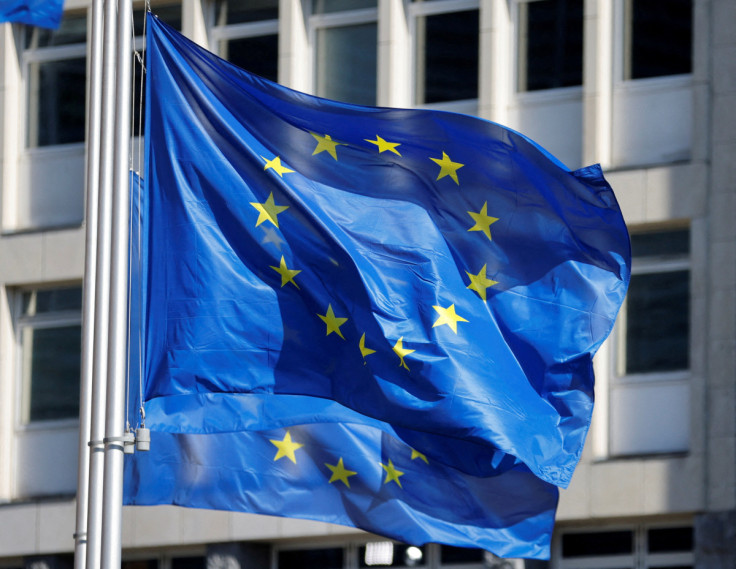
Europe is turning back to nuclear power, but this time the focus is on something smaller and more flexible. Faced with volatile energy markets and rising global tension, the European Union is placing a new bet on the next generation of innovative nuclear technologies.
This week, the European Commission revealed a strategy designed to speed up the development of small modular reactors and advanced modular reactors across the bloc. Officials believe the technology could help shield households from sudden energy price shocks while also supporting the EU's climate goals.
The move comes at a time when geopolitical risks continue to shake global energy markets. Rising tensions in the Middle East have pushed European leaders to look for stable, domestically controlled energy sources that can protect both consumers and industry.
A New Nuclear Strategy for a Changing Energy Landscape
On 10 March, the European Commission presented a plan to accelerate the development and deployment of small modular reactors and advanced modular reactors, often known as SMRs and AMRs.
Unlike traditional nuclear plants, these reactors are designed to be built in factories and then assembled on site. Supporters say that approach could help reduce the costs and construction delays that have troubled large nuclear projects for decades.
According to the European Commission, the goal is to see the first European SMR initiatives emerge in the early 2030s. Officials say the technology could support the EU's ambition to reach climate neutrality while also strengthening energy security.
'Small Modular Reactors are a safe nuclear technology that can contribute to delivering reliable, homegrown decarbonised energy, strengthening industrial competitiveness and reinforcing our energy security,' said Dan Jørgensen, European Commissioner for Energy and Housing.
'Today, we are setting a clear pathway for Europe to move from research to concrete projects as soon as possible,' Jørgensen added. 'Europe must remain at the forefront of next-generation nuclear technologies, including Advanced Modular Reactors, because there's no competitiveness without industrial leadership.'
The Commission believes SMRs and AMRs could help stabilise electricity systems that rely heavily on renewable power. Wind and solar provide clean energy but depend heavily on weather conditions. Nuclear power, by contrast, can deliver steady electricity day and night.
European officials also point to the needs of industry. Reliable electricity at predictable prices is essential for sectors such as steel, chemicals and hydrogen production.
In today's Energy Package, the Commission presents new measures to boost investment in homegrown #CleanEnergy solutions, increase resilience and reduce energy prices ⚡️💶
— Energy4Europe 🇪🇺 (@Energy4Europe) March 10, 2026
Press release 🔗 https://t.co/PWltTdUQPP#AffordableEnergy pic.twitter.com/5uy8xhuvYT
Shielding Consumers From Energy Price Shocks
The timing of the strategy reflects growing concern about energy affordability across Europe. Energy prices surged in recent years as geopolitical crises disrupted supply chains. Instability in the Middle East continues to raise fears of fresh swings in global oil and gas markets.
European leaders now face pressure from households struggling with rising energy bills and from industries worried about losing competitiveness. According to the Financial Times, governments across Europe are monitoring petrol price extortion while also considering tax changes and reassessing carbon levies in Brussels as they try to soften the impact of high energy costs on households and businesses.
The report noted that France and Italy are closely monitoring price extortion at petrol pumps. The French government has reportedly deployed a watchdog to check petrol stations and ensure suppliers are not imposing unfair price increases to profit from a surge in fuel demand.
Prime Minister Giorgia Meloni of Italy has warned that taxes could rise for companies found exploiting the crisis. Meanwhile Carlos Cuerpo, Spain's economy minister, said the Spanish government stands ready to protect its citizens, workers and businesses in the same way it did during the conflict in Ukraine.
As EU policymakers search for ways to manage the impact of the Middle East crisis, nuclear power is increasingly viewed as one way to reduce dependence on imported fuels and steady electricity prices. Strong domestic power sources could help protect consumers from sudden spikes driven by global turmoil.
SMRs are seen as part of that strategy because they can be deployed more flexibly than large nuclear plants. Governments hope smaller reactors could be built closer to industrial centres and integrated with renewable energy systems.
Still, the push also raises difficult questions. Nuclear technology demands strict safety oversight and large financial investment. Some EU countries remain cautious about expanding nuclear power.
Climate Goals and Industrial Competition
For European leaders, the renewed interest in nuclear power goes beyond energy supply. The EU is also racing to keep pace with global competition in clean technology. Countries such as the United States and China are investing heavily in advanced reactors and other energy systems.
European officials worry the bloc could lose technological leadership if it fails to support innovation at home.
The Commission argues that modular reactors could strengthen Europe's industrial base by creating supply chains for nuclear components, engineering services and specialised manufacturing.
If the industry develops as hoped, it could bring skilled jobs and new export opportunities.
At the same time, the technology could support climate goals. Nuclear energy produces almost no carbon during operation and could complement renewable power in helping the EU reach climate neutrality by 2050.
Energy Strategy Meets Geopolitics
A report from the European Union Institute for Security Studies describes China as a 'fragile power' whose economic influence still gives Beijing significant leverage over global markets.
The study argues that Europe holds economic tools that could shape its relationship with China, especially through trade, technology and regulatory power.
Energy independence plays a role in that thinking. Reducing reliance on imported fuels could strengthen Europe's negotiating position in a world where economic ties increasingly overlap with political tensions.
European policymakers believe a more diversified energy system that includes nuclear power could leave the bloc less exposed to external pressure.
Europe's Energy Future at a Crossroads
The EU's nuclear strategy marks a noticeable shift in how Europe views its energy future. For years, many countries focused almost entirely on expanding renewable energy. Now, policymakers increasingly see nuclear technology as a stabilising partner rather than a competitor.
Supporters believe modular reactors could deliver secure electricity while helping meet climate goals. Critics warn that nuclear projects often face delays, rising costs and public resistance.
The next decade will show whether this new generation of reactors can live up to its promise. For millions of Europeans watching their energy bills climb, the outcome may shape not only climate policy but everyday life.
© Copyright IBTimes 2026. All rights reserved.
- MOST POPULAR IN National