

US and Israel Strikes Iran: How Middle East Tension Could Raise Fuel Prices
Geopolitical tensions in the Persian Gulf could lead to higher fuel prices globally

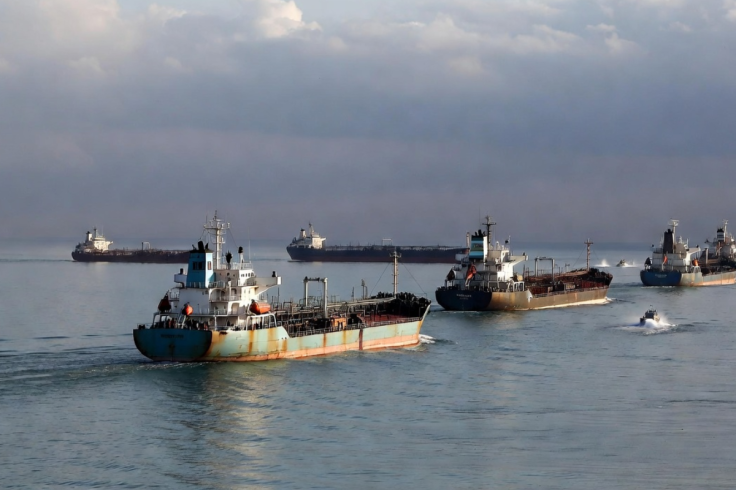
Global energy markets are on high alert following US and Israeli military strikes on Iran, sparking fears of a catastrophic disruption to the world's primary oil chokepoint.
Analysts warn that if Tehran follows through on threats to block the Strait of Hormuz—through which 20% of global daily oil supply passes—prices could rapidly accelerate toward $100 per barrel.
The strikes have triggered immediate volatility, with shipping operators reportedly rerouting tankers away from the region to avoid potential retaliatory fire.
Oil Markets Jolt as Conflict Escalates
Benchmark Brent crude closed at a seven-month high on 27 February, reflecting mounting concerns about a broader regional conflict.
Petroleum analyst Patrick De Haan said crude prices are likely to jump when markets reopen for electronic trading. However, the scale of the increase will depend on how deep and prolonged the conflict becomes — and whether oil flows are materially disrupted.
Some experts expect a measured response. Clayton Seigle of the Centre for Strategic and International Studies predicted a moderate market reaction in the short term, noting that there have been no confirmed direct attacks on oil infrastructure so far. Still, shipping operators are reportedly pulling back from the region, which could tighten supply expectations and push prices higher.
Energy analysts at Barclays warned that oil could climb toward $100 per barrel if the security situation worsens and supply disruptions become more likely.
Why the Strait of Hormuz Is Critical
At the centre of market concerns is the Strait of Hormuz, one of the world's most important energy chokepoints. About 20% of the global daily oil supply passes through this narrow waterway.
Major exporters, including Saudi Arabia, Iraq and the United Arab Emirates, rely heavily on the route. Any disruption could significantly affect global supply chains.
Reuters reported that Iran has claimed to have closed the Strait of Hormuz, raising fears of tanker delays and higher insurance costs. Even temporary disruptions could push crude prices upward.
According to Eurasia Group analysts, oil prices could rise by $5 to $10 per barrel above recent levels if tanker traffic is disrupted and the conflict persists.
Will Petrol Prices Actually Rise?
For consumers, the key question is simple: will fuel prices rise?
In the United States, average gasoline prices stood at $2.98 per gallon last week, according to AAA. Analysts expect the national average to cross $3 per gallon as early as the next market cycle.
De Haan estimates prices could reach $3.10 to $3.15 per gallon over the next couple of weeks. However, increases are expected to happen gradually, not overnight.
He also noted that seasonal factors already tend to push prices higher at this time of year. The geopolitical situation may accelerate that upward trend rather than create a sudden spike.
Consumers may begin seeing small price increases by early March, but the impact is likely to be measured in cents rather than dollars — unless the conflict escalates further.
Global Supply Chains on Edge
Iran exports roughly 1.6 million barrels of oil per day, much of it to China due to existing U.S. sanctions. If those exports are disrupted, refiners will need to seek alternative supplies, tightening global markets.
Oil prices are driven not only by actual shortages but also by expectations. Even the perception of risk can raise prices before physical supply changes.
If tensions remain contained, fuel prices may rise modestly. But sustained instability in the Persian Gulf or prolonged disruption to the Strait of Hormuz could significantly raise energy costs worldwide.
In an interconnected energy market, conflicts in distant regions rarely remain isolated. As the situation develops, the real impact may ultimately be felt not just in geopolitics but at the fuel pump.
© Copyright IBTimes 2026. All rights reserved.