Iran to Reopen the Strait of Hormuz? Reports Say Tehran Offered to End Chokehold if US Lifts Blockade and Ends the War
Iran presents a proposal to end its blockade of the Strait of Hormuz, contingent on US lifting sanctions and ceasing hostilities

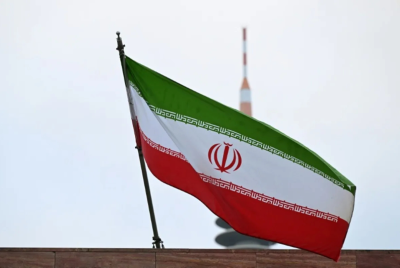
Iran has offered to end its blockade of the Strait of Hormuz if the United States lifts its blockade on the country and the ongoing war is brought to a close, according to two regional officials who spoke on condition of anonymity, as reported by AP.
Tehran's proposal, delivered to the United States by intermediaries from Pakistan, calls for an end to the Iranian-imposed blockade of the Strait of Hormuz, a vital waterway through which a significant portion of the world's traded oil passes. The Iranian offer hinges on the removal of the US-led blockade on its oil exports and the cessation of hostilities in the region. However, the proposal also includes a delay in discussions on Iran's nuclear programme, a contentious issue at the heart of the ongoing US-Iran standoff.
A Crucial Waterway
The Strait of Hormuz, a narrow passage between the Persian Gulf and the Gulf of Oman, has become a focal point in the ongoing tensions between Iran and the United States. The strait is crucial for the global oil trade, with approximately 20% of the world's oil passing through it. Iran's closure of this waterway has significantly disrupted global markets, leading to soaring oil prices and creating ripple effects across other industries, such as food and fertiliser.
Since the outbreak of the war on 28 February, tensions have escalated, with both sides facing increasing pressure. The US blockade on Iran has severely impacted its oil revenue, a lifeline for the country's economy. At the same time, the closure of the Strait of Hormuz has affected the global oil supply, causing political and economic strain, particularly in the Gulf states that rely on the waterway to export their oil.
Iran's leverage over the Strait of Hormuz has proven to be a powerful strategic tool in the war, with the closure of the waterway disrupting global oil transportation. This move has caused oil prices to surge, with Brent crude reaching $108 (approximately £80) per barrel, nearly 50% higher than pre-war levels.
The Proposal and Its Implications
The Iranian proposal seeks to shift the focus of negotiations away from its nuclear programme, which remains one of the most contentious issues in its relationship with the US and Israel. The United States has repeatedly stated that one of the main objectives of its military actions against Iran is to prevent the country from acquiring nuclear weapons. Iran, however, insists that its nuclear programme is peaceful and geared towards energy production.
Iranian Foreign Minister Abbas Araghchi visited Russia and met with President Vladimir Putin to discuss the ongoing situation. Russia, a long-time ally of Iran, has expressed support for Tehran's position, although it is unclear what tangible assistance Moscow might provide in the diplomatic process.
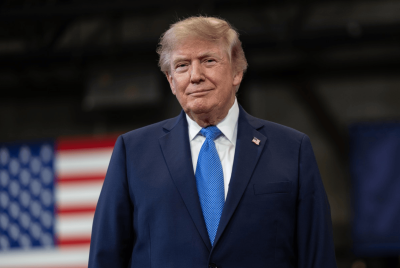
Trump has consistently stated that his primary objective is to ensure that Iran does not develop nuclear weapons. The US also insists that Iran must remove its stockpile of highly enriched uranium, which could potentially be used to create nuclear weapons. The US administration, therefore, seems unlikely to accept Iran's proposal, which would allow the nuclear issue to remain unresolved.
The International Response
The proposal has sparked reactions from key international players, including Germany and the United Kingdom. German Chancellor Friedrich Merz criticised the US for entering the conflict without a clear strategy, suggesting that the US must also focus on how to exit the situation. The UK has expressed support for efforts to reopen the Strait of Hormuz, but stresses the need for de-escalation and the prevention of further military actions.
The United Kingdom's Minister of State for Europe, North America and Overseas Territories, Stephen Doughty, emphasised that while the UK does not support the US blockade on Iran, it agrees that the strait must remain open for global oil trade. He also reiterated the importance of addressing Iran's nuclear ambitions and ensuring that Tehran does not continue to block the waterway or escalate hostilities in the region.
A Fragile Ceasefire And Future Prospects
Currently, a ceasefire remains in place, which has largely halted fighting. However, the US and Iran remain locked in a standoff, with no permanent resolution in sight. Negotiations, mediated by Pakistan, have so far failed to produce meaningful results, with Trump calling off a planned trip by his envoys to Islamabad.
In recent days, Iran's foreign minister met with Pakistani officials and also visited Oman, a key player in the region. Oman shares the Strait of Hormuz with Iran and has expressed a willingness to facilitate discussions. However, it remains uncertain what role Oman or other Gulf states will play in resolving the crisis.
As tensions continue to mount, the Iranian proposal offers a glimmer of hope for resolving one of the most volatile geopolitical crises in recent memory. However, it remains to be seen whether the United States will be willing to accept Iran's terms, particularly with regard to the nuclear programme. The fate of the Strait of Hormuz, and with it, the global oil trade, remains in the balance.
© Copyright IBTimes 2026. All rights reserved.
- Recommended For You