

Epstein's Fingernails Were Never Tested for DNA Despite Possible Signs of a Struggle, Forensic Expert Says
Dr. Michael Freeman believes Epstein's injuries may indicate homicide, but the official suicide ruling remains unchanged

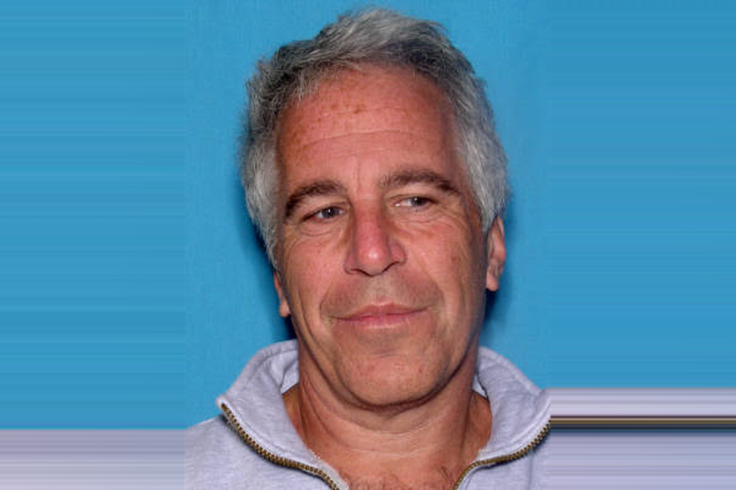
Jeffrey Epstein may have been attacked before his death, according to forensic scientist Dr. Michael Freeman, who identified possible fingernail marks above the ligature injuries on his neck. He believes the markings and unexplained injuries to Epstein's face, back, and shoulder could indicate a struggle rather than suicide.
Freeman reviewed previously unpublished autopsy records, photographs, and evidence supplied by Epstein's brother. He believes homicide is more likely than suicide, challenging the New York City Office of Chief Medical Examiner's August 2019 ruling. However, his interpretation has not overturned the official finding. Available records do not establish whether biological material from Epstein's fingernails was collected or tested for DNA.
Possible Fingernail Marks Raise Questions About a Struggle
Freeman identified markings above the ligature injuries on Epstein's neck that he believes resemble fingernail scratches. He suggested another person may have caused them during a confrontation. The medical examiner reportedly noted that Epstein had no broken fingernails or defensive wounds on his hands. However, Freeman highlighted injuries to his face, back, and left shoulder.
He pointed to deep bleeding within the shoulder muscles, interpreting it as evidence of blunt force trauma. He also questioned two separate ligature marks on Epstein's neck, arguing that their different angles and positions did not fit a conventional hanging. These findings do not independently establish an attack.
Orange Fabric Offers an Alternative Explanation
Freeman's alternative theory centres on knotted orange prison bedding found inside Epstein's cell at the Metropolitan Correctional Center in Manhattan. A photograph showed the fabric near a desk. He suggested its shape could have produced the unusual marks on Epstein's neck. His theory involves strangulation from behind using narrow, knotted fabric.
However, the particular piece of fabric was not collected for examination by the medical examiner. Investigators therefore could not establish whether it was connected to Epstein's injuries.
Prison Investigation Faced Serious Failures
Epstein was found dead on 10 August 2019. Prison officer Michael Thomas reported discovering his body at approximately 6:30 a.m. According to Freeman's review of Thomas's account, Epstein's body was cold when discovered. Freeman interpreted this as suggesting he may have died several hours earlier. However, body temperature alone cannot establish an exact time of death.
Officers moved Epstein's body within minutes, and the cell was not sealed for forensic examination. Most surveillance cameras in his prison wing were not functioning.
Federal records later revealed that officers had falsified records about their activities during the night and morning of Epstein's death. Thomas was interviewed two years later, after facing charges over false records. Freeman used Thomas's account of finding Epstein hanging from a bedpost, alongside injuries visible in photographs, to create a three-dimensional reconstruction.
Official Suicide Ruling Remains in Place
The medical examiner's office continues to stand by its determination. It declined an interview request and did not directly address Freeman's analysis. Forensic pathologist Michael Baden, who reviewed Epstein's death at his brother's request in 2020, also questioned the suicide ruling because of the neck injuries. A separate investigation published in June 2026 found that almost none of the forensic experts consulted believed the manner of Epstein's death could be conclusively established through medical evidence alone.
Freeman worked with Anders Eriksson, a professor of forensic medicine at Umea University in Sweden, and Itiel Dror, a researcher specialising in forensic bias. He presented his findings in London on 16 November 2026. Freeman said an academic journal rejected his report because reviewers considered criticism of a medical examiner's findings unsuitable for publication. He intends to resubmit his work. His analysis has renewed scrutiny of the investigation but has not established that Epstein was murdered or identified anyone responsible.
© Copyright IBTimes 2026. All rights reserved.