

Joe Rogan Warns That 'Woke' Ideology Is Replacing God on the Left and Entering Into Christianity
Francis Foster and Bishop Robert Barron back some of Rogan's criticism of progressive politics entering Christian faith
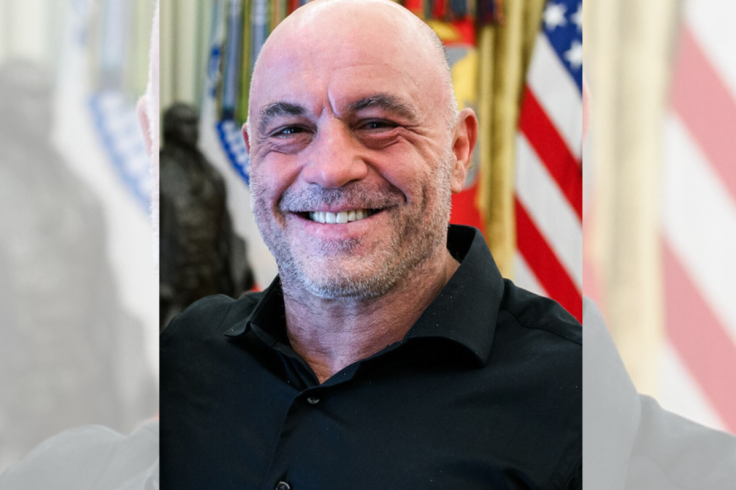
Joe Rogan argued on his podcast that progressive ideology had replaced religion for many on the left and that some pastors were bringing their political beliefs into Christianity.
The discussion with Francis Foster, co-host of Triggernometry, concerned secularism and the role of religious teaching in shaping moral behaviour. Rogan defended shared principles such as the Ten Commandments and humility towards a higher power, while questioning whether some churches were adapting Christianity to accommodate progressive politics.
Joe Rogan Questions the Left's Moral Foundations
Rogan described the left as 'much more loony' than the right, linking that assessment to his belief that a large proportion of the left had embraced secularism. He characterised its outlook as dismissive of Christianity and religion more broadly.
'Like when you think about the left, you generally don't think about like Christianity or any religion really. It's more of like a science-based like, 'We're too smart for that thing'. And I think they're just lost', Rogan stated.
Rogan added, 'There's no moral scaffolding to hold on to'.
He presented secularism as leaving people without a shared religious framework and argued that political ideology could become a substitute for faith. These were his assessments of the relationship between religion and politics.
Rogan argued that far-left ideology had become a new religion for many liberals. He also contended that some were bringing those political beliefs into traditional Christianity.
Biblical Interpretation Drives Joe Rogan's Criticism
Rogan cited what he described as a greater presence of LGBT pastors and challenged religious arguments about abortion and God's gender. He presented those positions as departures from biblical teaching, invoking objections he attributed broadly to biblical scholars.
The scholars were not named in the account of his remarks, which also provided no evidence establishing an increase in the presence of LGBT pastors. His comments represented his assessment of contemporary Christianity.
'You know, there's a lot of this weirdness — that this woke weirdness that sort of entered into religion and some pastors are doing it. And you go, 'OK, is that good?' I don't know if that's good', Rogan stated. 'Because you're not following the original stuff'.
Rogan suggested that, if biblical passages required modern reassessment, those concerning slavery and genocidal warfare should take priority over questions about God's gender identity. His criticism concerned both the interpretation of religious teaching and which passages should receive attention first.
Francis Foster and Bishop Barron Respond to Joe Rogan
Foster agreed with Rogan, drawing on his Catholic upbringing and comparing it with a more modernised Church of England service. He described wanting 'the real deal' from religion, a faith that took its own teaching seriously.
'You want to hear the Latin!' Rogan responded.
Foster also argued that religious faith should involve moral consequences for wrongdoing.
Bishop Robert Barron, founder of Word on Fire and bishop of Winona-Rochester in Minnesota, largely agreed with the substance of Rogan's remarks in comments quoted in the report. His response focused on whether progressive political priorities had displaced Christian doctrine.
'For the past several decades, various forms of liberal Christianity have compromised the doctrinal content of the faith, first turning the great dogmas into vague symbols and subsequently evacuating them completely in favor of the progressive political agenda', Barron stated.
Barron proposed adherence to the Apostles' Creed as the test of whether someone retained the substance of Christian belief.
'The test is whether someone can honestly and with enthusiasm subscribe to the Apostles' Creed. Does he believe in God, in the divinity of Jesus, in the power of the Holy Spirit, in the objective truth of the Resurrection? If not, he is using classical Christianity as a smokescreen'.
© Copyright IBTimes 2026. All rights reserved.