

Would You Pay £160K for a Luxury Everest Climb? Includes Espresso Machines, Heated Dining Tents, Private Chefs and More
High-end adventure tourism is redefining the climb to the world's highest peak
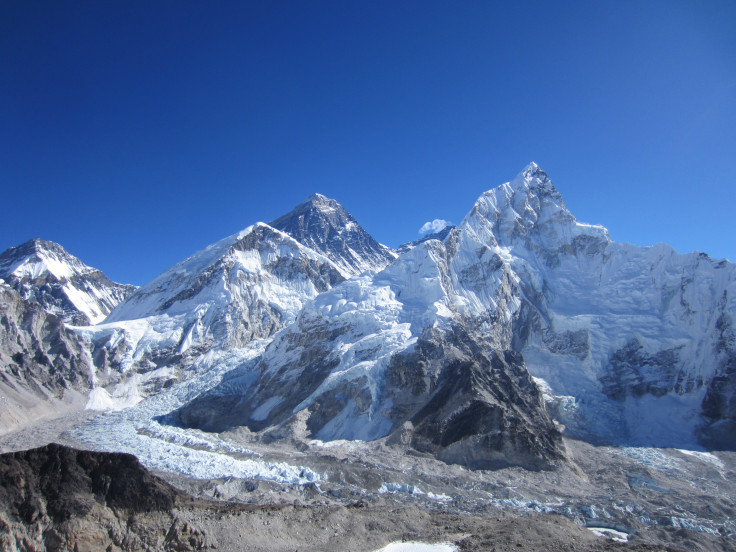
What if reaching the summit of Mount Everest came with barista-made coffee and gourmet meals? Luxury expeditions now costing around £160,000 (around $213,000) are offering climbers a far more comfortable route to the world's highest peak. Heated dining tents, espresso machines and private chefs at base camp show how high-end adventure tourism is transforming the Everest experience.
Luxury Everest Expeditions Are Changing High-Altitude Adventure
Climbing Mount Everest has long been seen as one of the toughest and most dangerous achievements in mountaineering. Harsh weather, extreme altitude and physically demanding conditions have traditionally defined the challenge.
However, a new generation of premium expeditions is transforming the journey to the world's highest summit into something closer to a luxury adventure.
Some high-end packages now cost up to £160,000 per person and include amenities rarely associated with remote mountain camps. These services can include espresso machines, heated dining tents, private chefs and large support teams focused on improving comfort during the climb.
Expedition organisers say demand for these experiences is growing among wealthy travellers seeking a once-in-a-lifetime adventure without giving up high levels of service.
What a £160K Everest Expedition Actually Includes
The price of a premium Everest expedition reflects the large logistical operation required to support climbers attempting the 8,849 metre peak.
High-end operators often provide spacious heated dining tents where climbers can enjoy freshly prepared meals cooked by professional chefs. This is a significant change from the simple rations that mountaineers traditionally relied on during Himalayan expeditions.
Some base camps are also equipped with espresso machines and dedicated kitchen staff, allowing climbers to drink freshly brewed coffee despite freezing temperatures and thin air.
Private sleeping tents with upgraded bedding are another feature of these premium packages. Many climbers are also assigned dedicated Sherpa guides who provide personalised support throughout the climb.
Additional services may include extra oxygen supplies, satellite internet access and helicopter transfers between Kathmandu and Everest Base Camp.
According to 8K Expeditions, its premium Everest expedition package includes private individual sleeping tents, high-end dining facilities and expanded logistical support designed to improve both comfort and safety during the climb.
Viral Videos Reveal the Unexpected Luxury
@60minutes There are now private chefs, a movie theater, and even espresso machines at Everest Base Camp. Some climbers are paying up to $180,000 for these premium packages. What was once a bone-chilling, isolated mountainside can now feel like summer camp on a glacier. #mounteverest #everestbasecamp #everest
♬ original sound - 60 Minutes
Interest in these high-end expeditions has grown further after several viral social media posts showed the surprising level of comfort at some Everest base camps.
A widely shared TikTok video from the news programme 60 Minutes showed heated dining spaces and well-equipped camps used by certain commercial expeditions. The footage attracted thousands of online reactions, with many viewers expressing surprise that such facilities could exist on one of the harshest mountains on Earth.
The viral clip has sparked discussion about how modern expedition logistics have evolved to meet the expectations of affluent adventure travellers.
Debate Over the Commercialisation of Everest
The growth of luxury expeditions has also intensified debate within the mountaineering community about the increasing commercialisation of Everest.
Supporters say premium services can improve safety through better equipment, experienced guides and greater access to oxygen supplies. These resources may help climbers manage the extreme conditions found on the mountain.
Critics argue that the growing number of commercial expeditions could change the traditional culture of Himalayan climbing, where self-reliance and endurance have historically been central values.
© Copyright IBTimes 2026. All rights reserved.