Princess Beatrice Humiliated: Taxpayers Reportedly Footed £250,000 Bill For 10 Holidays In Four Months
Princess Beatrice's £250,000 gap-year security bill has put royal spending and taxpayer-funded protection back under the spotlight.
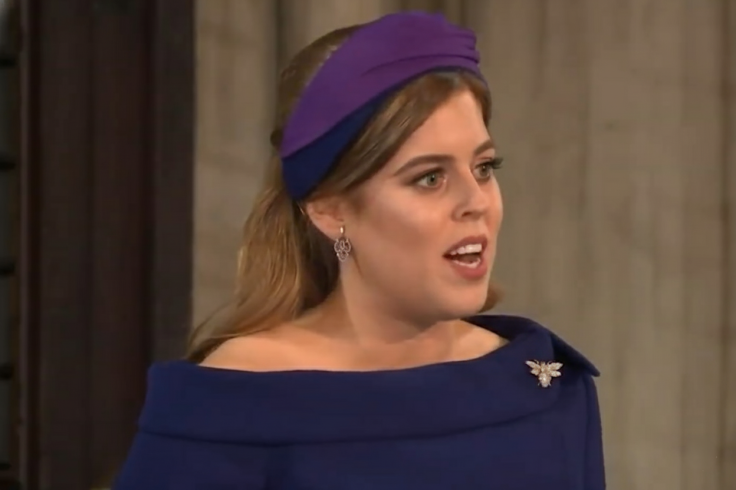
Princess Beatrice took 10 holidays in just four months at the age of 19, with taxpayers reportedly footing a £250,000 security bill for trips across Europe, the Middle East and the Americas, according to resurfaced claims about the royal's gap year.
The issue sits within a much broader debate over the public cost of protecting so called minor royals. Beatrice, born in 1988, and her younger sister Princess Eugenie, born in 1990, received round the clock police protection from childhood.
That arrangement remained in place for 23 years in Beatrice's case and 21 in Eugenie's before it was withdrawn in 2011 amid growing anger over the cost of their jet setting lifestyles to the public purse.

Renewed attention on Beatrice has followed reports that, before beginning her degree in history and the history of ideas at Goldsmiths, University of London, she used her gap year for an intensive run of overseas trips. She is said to have travelled to Argentina, Brazil, Spain, Belgium, Egypt, Abu Dhabi and New York, among other destinations, while still under full police protection.
In the first four months of 2011 alone, Beatrice reportedly took 10 separate holidays. Those breaks are understood to have included two trips each to St Barths and New York, three skiing holidays in Verbier, and further getaways to Aspen and Greece. On each occasion, she was accompanied by Metropolitan Police protection officers, as protocol at the time required.
How Princess Beatrice's Security Became A Taxpayer Flashpoint
It was not only Beatrice who came under scrutiny. Eugenie's own gap year had already prompted public irritation and, eventually, a firm intervention from within the family.
Her trips to India, the United States, South Africa and Thailand were also taken with police bodyguards, contributing to what was described as an eye watering security bill of more than £100,000.
Speaking in the Channel 5 documentary Beatrice and Eugenie: Pampered Princesses, royal commentator Richard Kay contrasted the sisters' lifestyles with those of their contemporaries.
'She was sort of flitting from country to country as most middle class young people do who take gap years,' he said. 'But, of course, she was accompanied by police bodyguards. That meant that we, the taxpayers, were paying for policemen to accompany her to the fleshpots of the world.'

As the controversy became more visible, the cumulative cost of protecting Beatrice and Eugenie grew politically difficult. Reports that Beatrice's security alone cost about £250,000 a year, combined with images of luxury ski resorts and Caribbean beaches, reinforced the view that taxpayers were subsidising a lifestyle far removed from their own.
Charles, Andrew And The Battle Over Beatrice's Role
According to accounts cited in the same documentary, the then Prince Charles eventually moved to curb spending on protection for his nieces. He is said to have concluded that, as Beatrice and Eugenie were unlikely to become senior working royals, it was no longer reasonable for the public to fund permanent security for them.
Royal biographer Angela Levin told the programme that Charles drew a clear line. 'Prince Charles decided that as they were not likely to be very senior royals, that this was too much for the public to pay, so he stopped that,' she said.
That decision reportedly angered their father, Prince Andrew. The programme claimed he reacted furiously and appealed directly to Queen Elizabeth II in an attempt to reverse the ruling. Levin said, 'Prince Andrew was so angry that he wrote a note to the Queen. He said he wanted them to be considered as proper royals. He did not want the protection officers to leave them.'
Where Princess Beatrice Sits In Today's Security Hierarchy
Still, much of the detail around private correspondence and internal family disputes remains based on contributors' recollections and documentary reporting rather than official records. While the broad outline of the row has been widely repeated, specific claims about who said what, and when, cannot be independently verified from public documents.
The episode also highlights how sharply the royal protection system has narrowed over the past decade. Today, only the King and Queen and the Prince and Princess of Wales receive 24 hour police protection as standard.

Other senior working royals, including the Duke and Duchess of Edinburgh and the Princess Royal, do not have permanent security details. They receive protection when carrying out official duties or when a specific risk is identified, but not on a constant basis. Beatrice and Eugenie now fall firmly into that category, with no automatic state funded security for every private trip or public appearance.
In that sense, the controversy over Beatrice's holidays marked the end of a more expansive and more costly era of royal protection. The figures attached to those gap year trips still stand out, but they also reflect a system that has since been significantly tightened.
© Copyright IBTimes 2026. All rights reserved.
- Recommended For You