

US FDA Flags Nationwide Recall of Over 3,700 Blood Pressure Medication Bottles Over Effectiveness Concerns
The Class II recall affects two batches of generic tablets containing olmesartan, amlodipine and hydrochlorothiazide, with patients advised to check their lot numbers
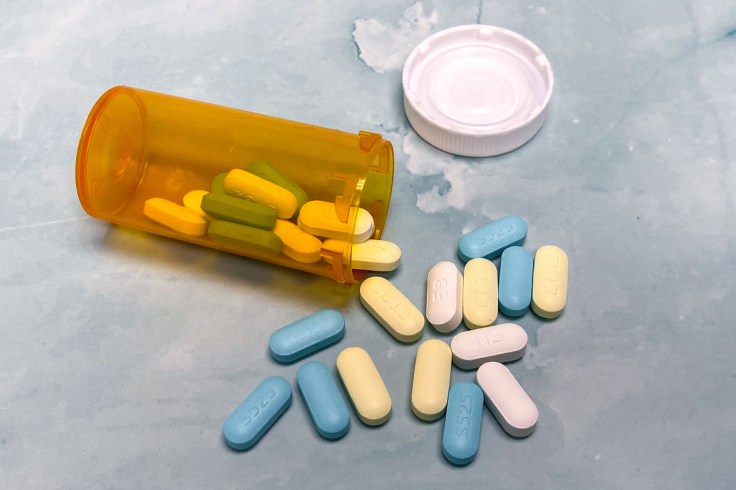
Macleods Pharma USA has recalled 3,744 bottles of prescription blood pressure tablets across the United States after they failed quality tests, raising concerns that the medicine may not work as intended.
The US Food and Drug Administration (FDA) classified the action as a Class II recall on 26 October 2026, following the company's voluntary recall on 7 October. The agency's enforcement record lists the recall as ongoing.
WUSA9 reported on 2 November that the bottles were affected because the medicine could be ineffective. The tablets combine olmesartan medoxomil, amlodipine and hydrochlorothiazide, three active ingredients used to treat hypertension, the medical term for high blood pressure.
The action concerns two specific batches packaged in 30-tablet and 90-tablet bottles, rather than every product containing the same three active ingredients.
Why the Tablets Failed Quality Testing
The FDA lists 'failed dissolution specifications' as the reason for recalling the two lots. Dissolution testing examines whether a medicine releases its active ingredients at the required rate under specified testing conditions.
A tablet's stated strength alone does not establish whether it meets the required dissolution standard. The test assesses a different aspect of a medicine's quality: how it releases its ingredients.
Failure to meet the required dissolution standard raises concerns about the medication's effectiveness. Per USA TODAY, the affected tablets may not release their ingredients at the proper rate, potentially preventing the medicine from lowering blood pressure as expected.
Which Bottles Are Included?
The recall covers one tablet strength containing 40 milligrams (mg) of olmesartan medoxomil, 10 mg of amlodipine and 12.5 mg of hydrochlorothiazide. Both affected lots expire on 31 May 2027.
The larger portion comprises 3,528 bottles containing 30 tablets each. These carry National Drug Code (NDC) 33342-246-07 and lot number 12251163A.
The remaining 216 bottles contain 90 tablets each, with NDC 33342-246-10 and lot number 12251163B. Together, the two bottle sizes account for the full 3,744-bottle recall.
Macleods Pharmaceuticals Ltd manufactured the tablets in Daman, India, for Macleods Pharma USA, based in Princeton, New Jersey. The products were distributed nationwide and are available only on prescription.
USA TODAY emphasised that brand-name Tribenzor is outside the recall. Patients who recognise that name but are unsure whether their prescription contains the recalled generic version should check the product details, including the lot number and NDC, against the recall information.
What a Class II Recall Means for Patients
The FDA uses Class II for recalls involving products whose use may cause temporary or medically reversible health consequences, or situations in which the probability of serious consequences is remote. These recalls generally take place at the retail level.
Its consumer guidance says patients can generally continue taking medicines subject to Class II recalls unless the recalling company or the FDA directs otherwise.
'In some instances, stopping your medicine may be more harmful to your health than continuing to take the recalled medicine,' the agency advises.
Patients with questions about an affected prescription should speak to their doctor or pharmacist. The FDA recommends checking the lot number on the medicine's label against the recall notice to establish whether a particular supply is included.
Company Notified Customers by Letter
Macleods initially notified recipients by letter, according to the FDA's enforcement record. The record does not identify a separate press release for this recall, which carries recall number D-0077-2027 and event identification number 100113.
The FDA explains that companies may initiate recalls before the agency completes its risk classification. Its subsequent classification does not, by itself, expand or change a company's voluntary recall.
Companies may also instruct consumers to return recalled medicines to the place of purchase. The FDA says most retailers have return and refund policies for recalled products. Patients should follow any instructions issued specifically for their medicine and consult their doctor or pharmacist if they are unsure what to do.
© Copyright IBTimes 2026. All rights reserved.