DHS Training Materials Say Posting 'Stop Israeli Terror in Palestine' on Social Media Is Now Grounds to Deny Someone a Green Card
New DHS policy scrutinizes social media for anti-American and antisemitic content in immigration applications.

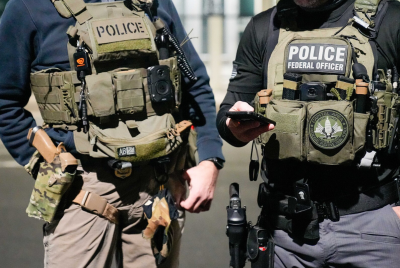
Internal Department of Homeland Security training materials instruct immigration officers to treat pro-Palestinian social media posts as potential grounds to deny green card applications, classifying political speech as a discretionary negative factor for the first time in modern US immigration practice.
The materials, which have not been independently published by DHS or USCIS, show how officers within US Citizenship and Immigration Services have been told to evaluate applicants' digital histories for statements the administration has categorised as 'anti-American' or antisemitic.
Among the specific examples cited in the documents as 'questionable speech': a mock social media post bearing the words 'Stop Israeli Terror in Palestine' alongside a crossed-out Israeli flag. The policy formalises a shift that began with an official USCIS announcement on 19 August 2025, which declared that 'anti-American activity will be an overwhelmingly negative factor in any discretionary analysis.'
What the DHS Training Materials Say
According to the New York Times' account of the documents, immigration officers have been instructed to deny applicants who have a history of 'endorsing, promoting or supporting anti-American views' or 'antisemitic terrorism, ideologies or groups.' Officers are told to treat such findings as 'overwhelmingly negative' in their assessments.
The materials include three illustrative examples of social media posts that meet that threshold: the 'Stop Israeli Terror in Palestine' post with the Israeli flag crossed out, a map of Israel with the country's name replaced by 'Palestine,' and a post suggesting that Israelis should 'taste what people in Gaza are tasting.'
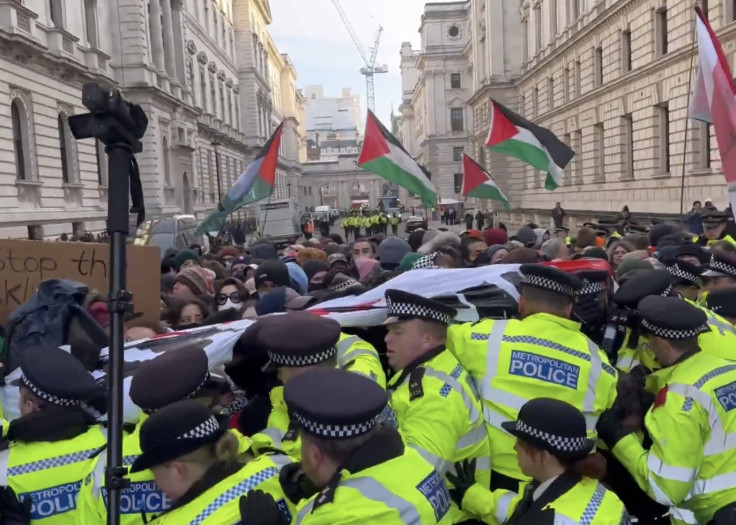
Officers have additionally been directed to 'focus particularly on aliens who engaged in on-campus anti-American and antisemitic activities,' a provision that legal analysts say would sweep up students who attended pro-Palestinian university campus protests following the Hamas attacks of 7 October 2023.
Desecration of the American flag is also listed as a negative factor in the materials, a significant inclusion given that the Supreme Court's ruling in Texas v. Johnson (1989) established flag burning as constitutionally protected speech under the First Amendment. All cases involving 'potential anti-American and/or antisemitic conduct or ideology' must be escalated to managers and the agency's general counsel's office, the materials state.
The August 2025 Directive That Made This Possible
The training materials did not emerge from nowhere. USCIS published its formal policy basis in August 2025, announcing it was updating the USCIS Policy Manual to add 'anti-American activity' as a discretionary factor in green card and other benefit adjudications. The agency simultaneously expanded the categories of applications subject to social media vetting.
'America's benefits should not be given to those who despise the country and promote anti-American ideologies,' USCIS spokesman Matthew Tragesser said in the announcement. The policy referenced the Immigration and Nationality Act but offered no statutory definition of 'anti-Americanism.'
The Brennan Center for Justice's legal analysis of the earlier April 2025 USCIS antisemitism notice, which preceded August's broader directive, warned that the central paragraph of that guidance 'enables USCIS officers to exercise significant discretion to deny applications... based on nebulous, undefined terminology.'
The centre noted that the language covered 'antisemitic terrorism, antisemitic terrorist organisations, or other antisemitic activity,' none of which carried legal definitions. It argued that almost everyone subject to the policy is already present in the United States, 'vesting them with substantial First Amendment rights, as the department itself has recognised.'
By the time the August directive expanded the vetting to 'anti-Americanism' at large, USCIS had also screened 3,568 applicants' social media accounts, according to its own first-100-days report.
What This Means for Millions of Green Card Applicants Right Now
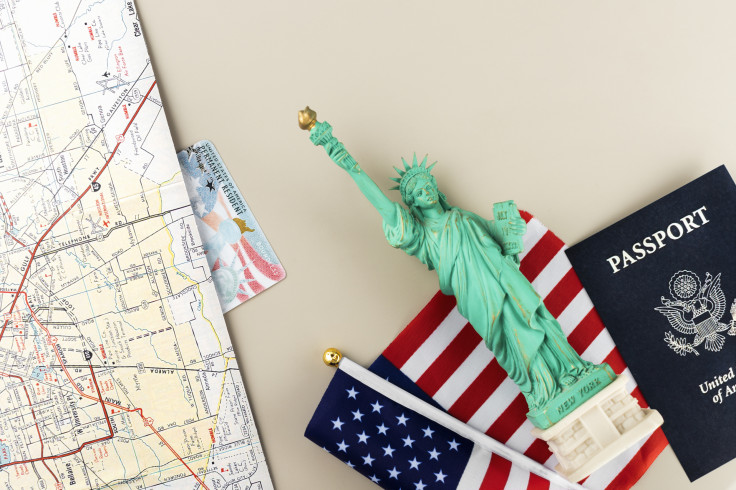
More than three million people apply each year for changes to their immigration status in the United States, a pool that includes green card seekers, those applying for work authorisation, and individuals pursuing naturalisation.
All of them now fall within the scope of social media vetting. The policy applies to pending cases as well as new ones, meaning applicants who posted about the Gaza war in 2023 or 2024, long before any of these rules existed, may find that old content pulled into a current adjudication without warning.
Because the standard is discretionary rather than rule-based, two applicants with identical posts could receive different outcomes depending on which officer reviews their file. There is no appeal mechanism for a discretionary denial, and no formal checklist defining what rises to the level of disqualification.
The Brennan Center for Justice has documented that immigration attorneys are now advising clients to audit their entire public digital history, including posts made years prior, before submitting any application. The self-censorship effect extends beyond applicants. Spouses, parents, and minor children of applicants may also be required to submit their social media handles, including those who are US citizens or permanent residents, under a separate USCIS proposal approved in 2026 to collect handles from those applying for status changes.
The existing immigration system already denied applicants for ties to terrorism, criminal activity, and national security threats. What has changed is the category of the disqualifying act: it has moved from conduct to opinion. A person with no criminal record, no affiliation with any designated group, and no history of violence can now be denied permanent residency for a post the reviewing officer deems politically unacceptable. The administration has not published guidelines specifying how far back in an applicant's digital history an officer may search, nor what volume or type of posts would tip a case toward denial. That absence of definition is itself the policy.
Millions of people seeking to make the United States their permanent home must now calculate, retroactively, whether anything they said online about a foreign conflict might cost them the chance to do so.
© Copyright IBTimes 2026. All rights reserved.
- Recommended For You