

McDonald's McRib Marketing Faces Scrutiny After Judge Rejects Bid To End Consumer Deception Case
A Chicago judge allows key McDonald's McRib lawsuit claims to proceed as consumers challenge the sandwich's rib-like shape, ingredients and marketing
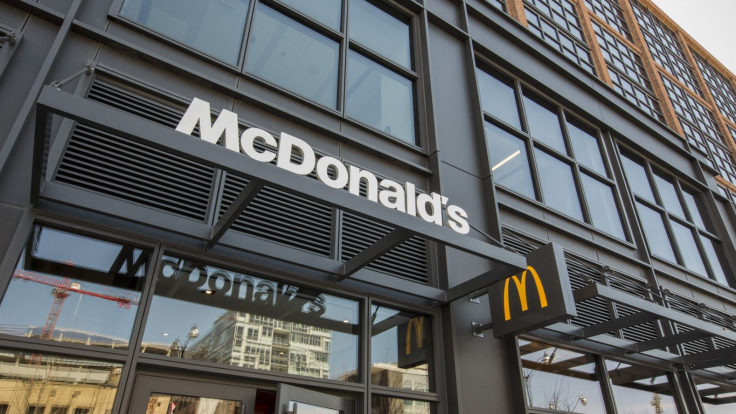
McDonald's McRib marketing will remain under legal scrutiny after a federal judge in Chicago refused to throw out key consumer deception claims over the sandwich's ingredients and rib-like shape.
On Friday, 30 October 2026, Judge April Perry allowed core allegations of consumer deception, fraud and unjust enrichment to proceed, while dismissing five other claims without prejudice in the proposed class action.
Four consumers originally sued McDonald's in December, alleging that the McRib's name and rib-shaped patty suggest it contains pork rib meat. They say customers paid a premium for a sandwich allegedly made from less expensive cuts. McDonald's rejects the accusations and says it has been transparent about its ingredients.
The ruling allows the plaintiffs to pursue their case but does not establish that the company misled customers. Nor has the court certified a class action.
Judge Keeps Deception Claims Alive in McRib Row
Perry ruled that it was too early to accept McDonald's argument that reasonable customers could not expect rib meat in the McRib. She described the plaintiffs' understanding of the sandwich's name as 'not unreasonable or fanciful.'
The distinction matters. At this stage, the court is assessing whether the allegations can move forward, not deciding whether consumers were actually deceived.
According to Reuters, Perry also considered advertisements emphasising the patty's ridged, rib-like appearance. She said that presentation could support an allegation of intent to defraud, although the plaintiffs would need further evidence.
McDonald's argued that its distinctive product names do not deceive reasonable buyers. Its lawyers maintained that preferring a particular pork cut does not transform accurate marketing into consumer fraud.
The company also pointed to descriptions on its website identifying the sandwich as pork. Perry, however, questioned whether customers should have to research ingredients before buying a $7 (approximately €6.25 and £5.23) sandwich.
What does a name promise when the product underneath is deliberately shaped to match it? The case now leaves that question open for further proceedings.
The decision was not an across-the-board victory for the consumers. Five claims were dismissed without prejudice, according to Fox Business, meaning the plaintiffs may seek to bring them again. The surviving claims concern consumer deception, fraud and unjust enrichment.
How McDonald's Describes the McRib
On its official website, McDonald's says the McRib begins with ground pork pressed into a shape resembling a rack of ribs. The company describes the unusual design as 'fun,' rather than claiming the patty contains rib meat.
Its published explanation says the meat is shaped using a special press similar to equipment used for hamburger patties. The sandwich is then served with barbecue sauce, onions and pickles.
The plaintiffs dispute the impression that combination creates. They allege that the McRib's name, shape and advertising encourage diners to expect a more expensive cut of meat than they actually receive.
Their complaint also alleges the use of pork shoulder, heart, tripe or stomach. Those are allegations made by the plaintiffs, not findings about what the sandwich contains. McDonald's expressly denies using hearts, tripe or stomach in the McRib and says the accusations misrepresent its product.
'This lawsuit distorts the facts and the claims are meritless,' the company said in a statement reported by Reuters.
Broader Fast-Food Lawsuits Over Expectations
The McRib has appeared periodically on McDonald's menus since 1981, making its distinctive appearance familiar to generations of customers. That familiarity does not, by itself, answer the legal question about what the advertising communicates.
Other chains, including Burger King and Wendy's, have faced lawsuits alleging that promotional images made burgers look larger than the food served. The McRib case raises a different issue, focusing on expectations about meat rather than portion size.
The proposed class action must still clear further procedural hurdles, including any request for class certification. Thiago Coelho, a lawyer for the plaintiffs, said his clients would continue pursuing accountability over what they consider deceptive marketing.
© Copyright IBTimes 2026. All rights reserved.