

Meta CTO Says He'd Like to Sue Leakers, Then Audio From That Same Meeting Leaks
The leak cycle continues, as Meta fires employees for sharing confidential information and claims progress in catching leakers
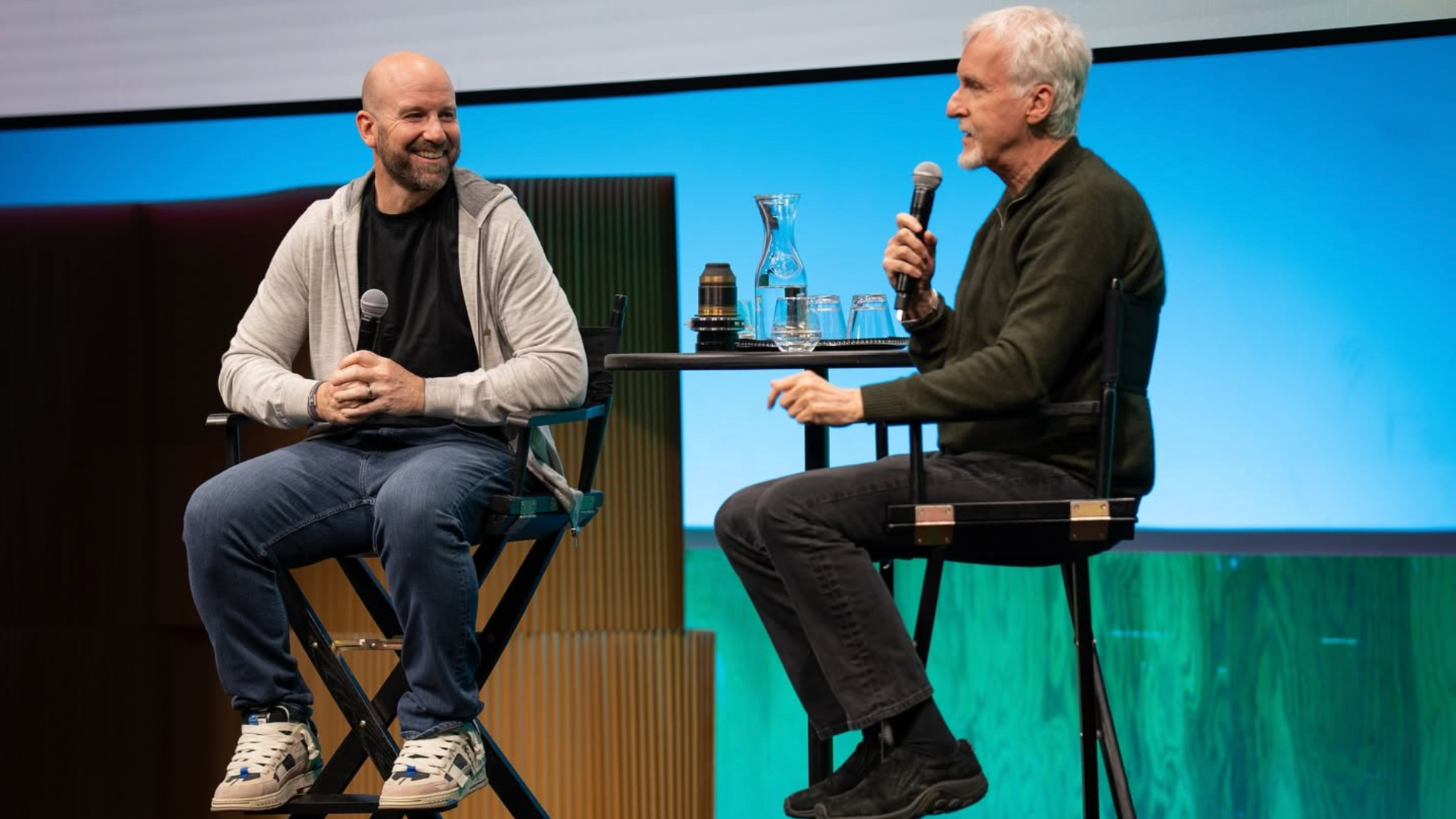
Andrew Bosworth wanted to speak to Meta staff about leakers. Within days, the audio of him doing it had leaked.
In a recording from one of the Meta chief technology officer's weekly internal meetings, released by the workers' advocacy group More Perfect Union, Bosworth is heard telling employees the company handles leaks routinely, then going a step further. 'We fine and fire leakers all the time. We tend not to sue those people, but I'd like to,' he said, the sentence trailing off.
The clip surfaced as Meta fights on several fronts over how it treats its own workforce. A warning about leaks had, once again, leaked.
LEAKED AUDIO: Meta CTO Andrew Bosworth told employees that he would like to sue workers who leak, saying on a weekly meeting: "We fine and fire leakers all the time. We tend not to sue those people, but I'd like to..."
— More Perfect Union (@MorePerfectUS) July 15, 2026
When Meta began using employee data to train AI without... pic.twitter.com/oaWLlc3w7Y
Meta has not publicly commented on the recording, and did not confirm the authenticity of earlier leaked clips from the company.
What Bosworth Told Meta Staff About Leakers
The remarks trace back to the Model Capability Initiative, or MCI, an internal programme Meta rolled out on US employees' work laptops in April 2026. The software logged keystrokes, mouse movements, clicks, and periodic screenshots, feeding the material into the company's AI models. Staff were told there was no way to opt out on a company-issued device.
The reaction inside Meta was quick. More than 1,600 employees signed an internal petition demanding the programme be scrapped, and flyers went up in offices in California and New York. In the leaked audio, Bosworth appeared to turn on those workers, saying the people who pushed back had 'made the entire company worse.' Organising of that kind is protected under the US National Labor Relations Act, which the petition flyers cited. The National Labor Relations Board has said pervasive monitoring can interfere with those rights, though it has not ruled on MCI.
Meta has said the monitoring data was tightly controlled and never used for surveillance or performance tracking. It paused MCI on 22 June, after an internal security review found the collected material, including private conversations, prompts, and performance-related records, had been left accessible across roughly 45,000 internal database tables.
Why UK and EU Staff Sat Outside Meta's Surveillance Push
The programme never ran outside the United States. European employees were exempt because the EU's General Data Protection Regulation bars continuous keystroke and screenshot monitoring without each worker's explicit consent, a standard Meta could not meet across its European workforce.
The gap has drawn a British response. UK-based Meta workers began organising with United Tech and Allied Workers (UTAW), one of the first union drives aimed squarely at AI-driven workplace surveillance. It lands amid wider AI upheaval in white-collar work as employers automate faster.
A Lawsuit Lands as Meta's AI Bet Escalates
The friction has now reached federal court. On 13 July, a group of 26 current and former employees sued Meta in the Northern District of California, alleging it used AI systems to help decide who to lay off and that the process discriminated against workers on medical, parental or family leave. The complaint says Meta relied on activity-monitoring data, AI usage dashboards, and algorithm-assisted performance rankings, measures that, by design, could not be earned by someone on protected leave. The plaintiffs, among the roughly 8,000 staff cut in May, want to pursue their claims in individual arbitration.
That May round removed about 10% of Meta's workforce. It landed as median employee pay slipped from $417,400 (£313,000) in 2024 to $388,200 (£291,000) in 2025, according to company disclosures, even as the business posted record results. First-quarter revenue reached $56.31B (£42B), up 33% on the year, the company's fastest growth since 2021.
Pay at the top runs the other way. Bosworth, chief product officer Chris Cox, and chief operating officer Javier Olivan each hold stock options that could be worth up to $921M (£691M) if Meta's market value reaches $9T (£6.75T) by 2031. The company is worth about $1.68T (£1.26T) today, though its shares, near $662 (£497) this week, sit well below a 52-week high of $796 (£597).
The row sits inside a heavier financial load. Four states are seeking roughly $1.4T (£1.05T) from Meta in a separate youth-safety case due to reach trial in August, even as it pours money into AI, including a Louisiana data centre it valued this week above $50B (£37.5B).
Bosworth has acknowledged the mood, telling a June meeting that morale was 'probably one of the worst it's ever been' in his two decades at Meta. He also conceded in a memo that leadership had explained the AI-first reorganisation poorly, after thousands of workers were moved onto tools teams.
The leak cycle shows little sign of slowing. Meta fired roughly 20 employees in early 2025 for sharing confidential information, with Bosworth saying then that the company was making progress catching leakers. His latest comments on the subject reached the public the same way.
© Copyright IBTimes 2026. All rights reserved.