

Will a Robot Give Your Next Sermon? Church of England To Issue New Rigorous Guidance on AI Tech
Church leaders in UK are scrambling to draft formal guidelines for the nation's 6,700 vicars as the rise of AI forces a rethink on how to use the technology in religious context.
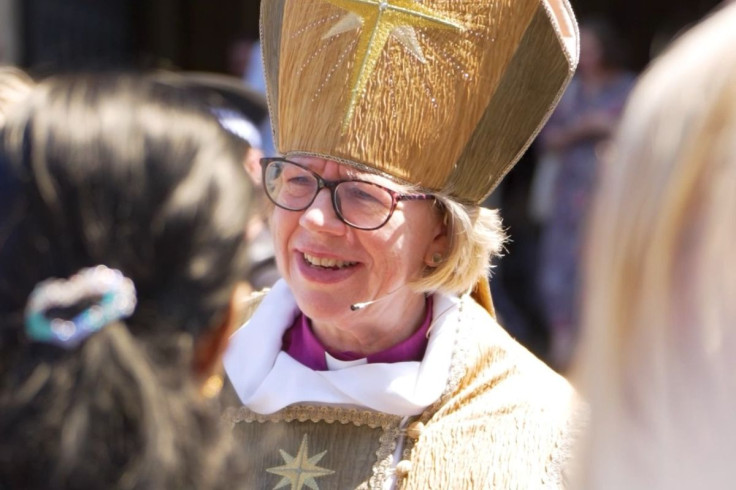
The Church of England is officially stepping into the digital age, with senior leaders currently drafting rigorous new rules for clergy on the use of artificial intelligence. The move follows a directive from the General Synod, the church's legislative body, which has recognised that generative AI tools have become so pervasive in modern life that the institution can no longer afford to ignore them. 6,700 vicars across the country will soon receive clear instructions on how, or whether, they should utilise these rapidly evolving technologies in their ministry.
While the prospect of a robot-written sermon might sound like a stretch to traditionalists in the pews, church authorities insist that ignoring the tech is simply not an option. It is a significant pivot for an institution that has traditionally been slow to adapt to such radical technological shifts. The guidance aims to provide a moral and practical framework for clergy who are already experimenting with AI to draft everything from complex reports to worship material.
Church chiefs are now drafting these new instructions for the clergy as they recognise that ignoring the tools is no longer a viable option. It represents an undeniable pivot for the religious institution as it faces the digital age head-on. The General Synod explicitly stated it is preparing instructions for the nation's vicars on the tech.
Vicars Suggest A Dedicated 'Bishop For Bots'
As the digital conversation has deepened, some members of the clergy have floated a rather radical proposal: the appointment of a dedicated bishop for bots. The idea, though creative, highlights the genuine bewilderment and anxiety facing the institution as it grapples with the scale of the digital revolution.
Archbishop of Canterbury Dame Sarah Mullally addressed this specific proposal in a written answer to clergy queries on the tech. She outlined the philosophical challenge facing the institution. The church needed to 'examine its own conscience when it comes to questions of accountability, the exercise of power and shared responsibility within its own life', she explained. Mullally told the clergy, 'That too is part of the context in which any Anglican response to AI must now be worked out'.
She approached the unique proposal thoughtfully. 'The suggestion of a specialist bishop is a creative one and reflects the significance of these questions for the Church's life and mission,' she stated.
Pope Leo XIV Warns Against 'Digital Slavery'
The push for regulation is gaining momentum internationally, with religious leaders aligning on the potential dangers of unchecked automation. Pope Leo XIV, the Chicago-born pontiff, has issued stark warnings regarding the impact of AI on human dignity. In his encyclical Magnifica Humanitas, he warned that the unchecked ownership of personal data by large tech firms threatens to create a new, modern form of 'digital slavery'
The Pope has been particularly vocal about the dangers of delegating life-or-death decisions to algorithms. He has consistently argued that it is 'not permissible' for machines to exercise lethal or irreversible power over humans, calling for the technology to be restrained to protect the common good. These warnings are now reverberating through the Anglican hierarchy as they attempt to reconcile the benefits of efficiency with the preservation of human agency.
Archbishop Mullally Calls For Broader AI Policy Response
Dame Sarah Mullally has been at the forefront of the debate in the House of Lords. In recent parliamentary remarks, she warned that while AI is a 'remarkable product of human creativity', the current regulatory environment is 'wholly inadequate' to prevent harm. She highlighted distressing reports, including findings from Durham University, which suggest that AI chatbots are being weaponised to facilitate violence, including roleplays of abuse.
The Archbishop cautioned that such harms are not merely the result of user error but are baked into the business models of tech giants who prioritise engagement over public safety. 'There is no such thing as values-neutral technology,' she told peers. Her argument is that the church, and society at large, must not allow these powerful tools to be unleashed without a spiritual and philosophical framework.
Despite the risks, the integration continues. 'It also prompts the question of how this work is best held and carried forward across the Church as a community of witness,' she further stated.
A specialist bishop might not be the final answer. 'Given the scale and pace of these developments, including emerging questions around AI infrastructures in space, the need is likely to be not for a single focal appointment, but for a broader, long-term response, supported by theological, scientific and policy expertise, and shaped in ways that enable episcopal leadership to be exercised coherently and well,' she concluded.
The Church of England's emerging policy is not just about banning bots; it is about ensuring that human connection remains at the heart of the parish experience. The final guidance, expected to be circulated in the coming months, will likely emphasise that AI should serve as a support tool rather than a replacement for the pastoral care that defines the Anglican witness. For now, the church is taking a 'good, slow, deliberate' approach, balancing the temptation of convenience against the risk of losing the human touch that defines the institution.
© Copyright IBTimes 2026. All rights reserved.