

Nelly's 2004 Super Bowl Performance 'Overshadowed' by Janet Jackson Incident He Never Saw
A forgotten halftime performance, a backstage moment of confusion and a controversy that still shapes Super Bowl history
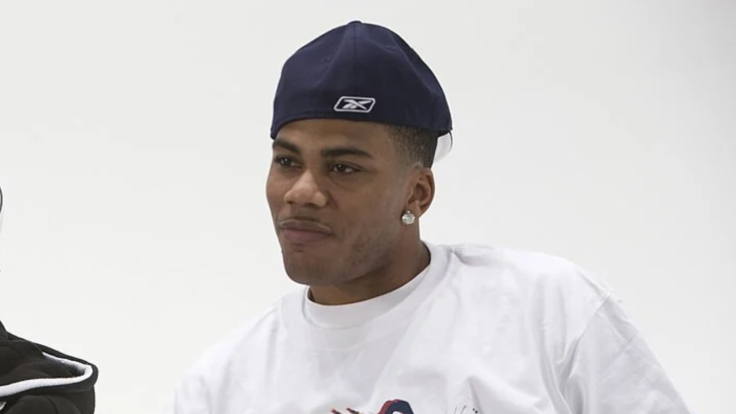
Nelly's 2004 Super Bowl performance in Houston was 'overshadowed' by the Janet Jackson incident, although he never saw it happen, the rapper has recalled.
Speaking on the 31 October 2026 episode of Carmelo Anthony's 7PM in Brooklyn podcast, he described leaving the field before the commotion. He later encountered staff pacing backstage.
Jackson was the featured performer at Super Bowl XXXVIII at Reliant Stadium on 1 February 2004. Nelly, Sean 'P. Diddy' Combs, Kid Rock and Jessica Simpson also appeared.
Justin Timberlake joined Jackson for the finale, 'Rock Your Body', and pulled part of her costume off, briefly exposing her right breast on television.
The moment prompted a federal broadcast-indecency investigation and eclipsed much of the conversation about the other performances. Nelly's account, though, begins with the noise behind him rather than what appeared on screen.
Nelly Recalls the Backstage Confusion He Missed on Television
The St. Louis musician was no stranger to the event. He had joined Aerosmith, NSYNC, Britney Spears and Mary J. Blige for the 2001 halftime show in Tampa, Florida. Three years later, he returned following the success of 'Shake Ya Tailfeather', recorded with Combs and Murphy Lee.
Speaking to Anthony, Nelly acknowledged that the second appearance was the one people tended to forget. He said his performance was 'overshadowed', but his memory of how it happened was decidedly less direct than that of television viewers.
According to Nelly, performers had to move quickly between sets. Once his own number finished, he headed towards the stadium tunnel with his dancers. He was already leaving the field when he heard people shouting behind him.
He tried to turn back, he said, but the flow of performers and production staff was moving in the opposite direction. There was little chance to see the closing moments of Jackson and Timberlake's performance. 'So I actually did not see it in real time,' he recalled.
The clues arrived backstage. Nelly described seeing MTV personnel pacing and remembered their faces appearing unusually red. His account did not establish what those staff members knew, only what he said he observed as the production wound down.
Nelly was not offering an eyewitness description of Timberlake removing part of Jackson's costume. He was recalling the sudden reaction around him and the strange experience of learning about a televised moment after it had already happened.
Nelly Revisits Jackson's Fallout and Why He Still Enjoyed His Set
The repercussions extended far beyond the stadium. Jackson's planned appearance at the 2004 Grammy Awards did not go ahead, while Timberlake performed at the ceremony. Reports also described problems with promotion of Jackson's music, including a video that was absent from MTV's playlist.
CBS faced regulatory consequences. The Federal Communications Commission imposed a $550,000 fine on the broadcaster in March 2006 over the brief exposure. That is approximately €490,000 and £410,000 at indicative November 2026 exchange rates. The penalty was against CBS, not either performer.
On 2 November 2011, a federal appeals court struck down the fine. The judges found that the regulator had improperly changed its approach to fleeting material without adequate notice. The decision concerned the FCC's enforcement policy, not whether the televised exposure occurred.
Critics also questioned the difference between the professional consequences faced by Jackson and Timberlake. On 12 February 2021, Timberlake publicly apologised to Jackson and Britney Spears, acknowledging failures in how he had acted and spoken up in the past.
Nelly himself did not say the controversy ruined his experience. He recalled being successful at the time and enjoying his moment on one of music's biggest platforms, despite the attention going elsewhere.
'I went ham anyway,' he said. He also called the Super Bowl the biggest stage 'bar none' and suggested it could boost performers' album sales. He offered no figures showing that his own records benefited after the Houston appearance.
© Copyright IBTimes 2026. All rights reserved.