

Netherlands Boycotts Eurovision 2027 Claiming Israel's Participation 'Causes Discussion and Division'
NPO says divisions in Dutch society and insufficient broadcaster support made participation unworkable, although audiences will still be able to watch the contest
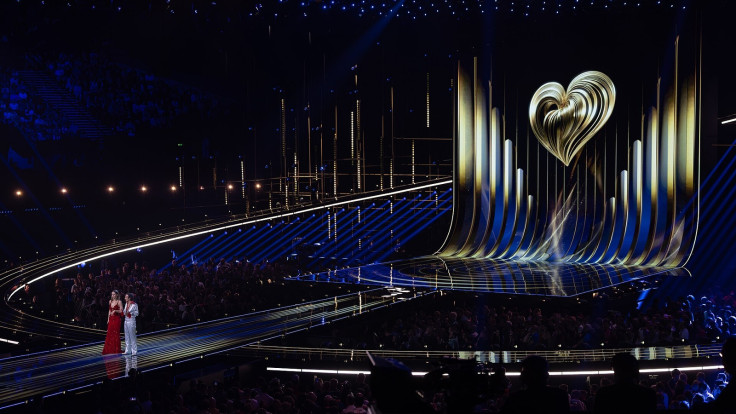
The Netherlands has withdrawn from the 2027 Eurovision Song Contest, reversing an earlier decision to return to the competition amid continuing controversy over Israel's participation. Dutch public broadcasting organisation NPO confirmed the decision on Tuesday, 27 October 2026, citing divisions within society and difficulties securing sufficient support from broadcasters.
NPO media director Jurre Bosman acknowledged that Israel's involvement in the competition had become a contentious issue, saying it 'elicits various reactions in society and causes discussion and division'.
The decision means the Netherlands will not send an artist to Eurovision 2027, which is scheduled to take place in Burgas, Bulgaria. However, Dutch audiences will still be able to watch the competition through public broadcasting channels.
Why Has the Netherlands Withdrawn From Eurovision 2027?
The announcement follows months of uncertainty over Dutch participation. In August, broadcaster AVROTROS confirmed it would not take part in the 2027 contest, arguing that Eurovision could no longer be considered neutral while Israel remained involved amid the war in Gaza.
In September, NPO announced plans for the Netherlands to return to Eurovision 2027, with an independent team overseeing the selection and preparation of the Dutch entry. However, the organisation reversed that decision on 27 October after failing to secure sufficient support among its member broadcasters.
In its statement, NPO chair Jet de Ranitz explained that discussions with broadcasters had initially suggested there was sufficient support for a return. The organisation was ultimately unable to find a suitable arrangement to make participation possible.
'Due to the sensitivities surrounding the themes currently at play, we have decided to take a step back for the time being,' de Ranitz said.
The decision reflects both the political controversy surrounding Israel's participation and the practical difficulties of organising a Dutch entry without the cooperation of a broadcaster.
Which Dutch Broadcasters Supported Participation?
Despite the withdrawal, not every Dutch broadcaster was opposed to finding a way to participate. According to Dutch public broadcaster NOS, EO and WNL had expressed a willingness to explore arrangements that could allow the Netherlands to compete.
EO director Arjan Lock said the organisation had been looking at possibilities alongside NPO. However, an EO spokesperson indicated that Eurovision did not fit the broadcaster's own remit.
WNL also confirmed it had been willing to consider how a Dutch entry might be facilitated. Nevertheless, it said there was insufficient support within public broadcasting for the organisation to take responsibility independently.
The lack of agreement ultimately left NPO without a workable route to participation.
Eurovision's Organisers Respond to the Withdrawal
The European Broadcasting Union (EBU), which organises Eurovision, expressed regret over the Netherlands' decision while acknowledging the strength of feeling surrounding the issue.
Martin Green, director of the Eurovision Song Contest, said the organisation respected NPO's decision and recognised that opinions about the competition differed considerably within and between countries.
He also defended Eurovision's broader purpose, describing it as an opportunity for people across Europe and beyond to come together through music and shared experiences.
The Netherlands has a long history with the competition, having participated since the inaugural contest in 1956. It has won five times, most recently in 2019 with Duncan Laurence's song 'Arcade'.
Which Other Countries Are Boycotting Eurovision?
The Netherlands was among five countries that boycotted Eurovision 2026 over Israel's participation, alongside Ireland, Iceland, Spain and Slovenia. Ireland and the Netherlands have confirmed they will not compete in 2027. Iceland's position remains unresolved, while Spain and Slovenia have yet to make final decisions, with the European Broadcasting Union giving the latter two broadcasters until December to confirm their plans.
The Czech broadcaster, Česká televize, has separately withdrawn from Eurovision 2027, citing financial pressures rather than the controversy surrounding Israel's participation.
Eurovision 2027 is scheduled to take place in Burgas, Bulgaria, following Bulgarian singer Dara's victory at the 2026 contest in Vienna.
Although the Netherlands will not compete, NPO's withdrawal does not mean Dutch viewers will lose access to Eurovision. The contest is still expected to be broadcast domestically.
For now, the decision highlights the continuing challenge facing Eurovision organisers as they attempt to preserve the competition's international appeal amid sharply divided opinions over Israel's participation.
© Copyright IBTimes 2026. All rights reserved.