Sperm DNA Damage, Not Just Female Health, May Explain Repeated Miscarriages, Fertility Experts Say
ASRM's updated guidance shifts focus to male partners in recurrent pregnancy loss cases
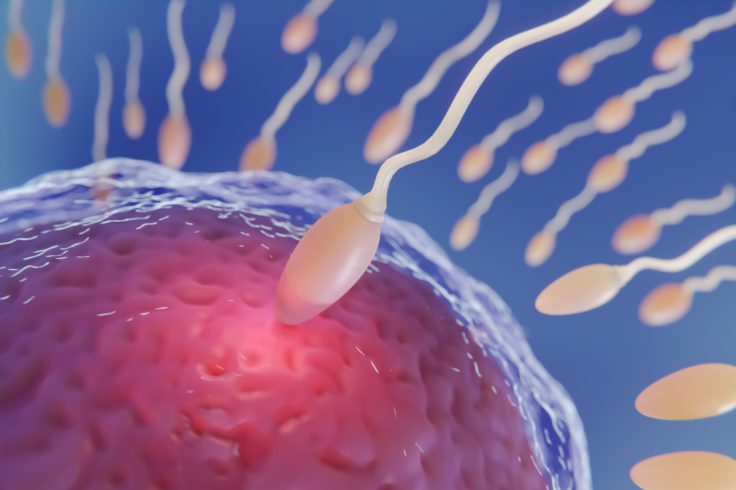
Updated fertility guidance in the United States now says damaged sperm DNA may help explain repeated miscarriages, shifting scrutiny long fixed on women's reproductive health onto their male partners too.
The American Society for Reproductive Medicine (ASRM) states in its newly revised committee opinion on recurrent pregnancy loss that sperm DNA fragmentation testing 'may be considered in patients with otherwise unexplained recurrent miscarriage or RPL and concomitant infertility', according to the guidance published on its website.
Guidance Stops Short of a Firm Recommendation
The update is ASRM's first revision of its recurrent pregnancy loss guidance in 14 years. It does not go as far as recommending routine testing.
Researchers note that further study is needed to determine whether treating sperm DNA damage actually improves pregnancy outcomes. Clarisa Gracia, a reproductive endocrinologist at the University of Pennsylvania who chairs the ASRM practice committee behind the guidance, said the wording still matters. 'Our summary statement was hedging, but at least it spoke to the fact that the male evaluation is also important.'
The word "miscarriage" has always been a terrible burden, and terribly inaccurate, since it's so common, and not the mother's fault.
— Robert Rutledge (@rerutled) August 11, 2026
New data shows that often, repeated "miscarriage" is due to DNA-damaged sperm. A "mis-impregnancy", if you will. https://t.co/qelBQEyyjD
How DNA Damage Affects Pregnancy
Sperm DNA fragmentation refers to breaks or damage within the genetic material sperm carry. Researchers have linked the damage to environmental toxins, advancing paternal age, smoking and drug use, among other factors.
However, the guidance stops short of confirming a causal link. The association is suggestive but not yet proven.
Denny Sakkas, chief scientific officer at Boston IVF and IVI RMA North America, compared the effect to typographical errors in an instruction manual. 'DNA is like an instruction booklet. If there's a lot of spelling mistakes in the DNA instruction, you might get a pregnancy,' he said. 'But when the pregnancy gets to a certain stage where a particular spelling mistake will impact... the development of the heart tissue, the pregnancy won't continue.'
A £400 Test Available for 15 Years, So Why Aren't More Men Taking It?
Clinics have offered sperm DNA fragmentation testing for roughly 15 years but it has not been routinely used, partly because doctors were unsure what to do with the results. Costs can run up to £400 ($500) and are not always covered by insurance.
The stakes are significant. A male factor is solely responsible for around one in five cases of infertility and contributes to a further 30 to 40 per cent of cases alongside female factors, according to the American Urological Association's clinical guideline on male infertility.
A Doctor's Blunt Advice Led to a Turnaround
The shift in guidance follows real cases already playing out in clinics. Carrie Bedient, a reproductive endocrinologist at the Fertility Center of Las Vegas, ordered a DNA fragmentation test for a man whose partner had endured five years of failed IVF cycles, repeated miscarriages and a chemical pregnancy.
The test found moderate DNA damage. Bedient said she advised him plainly: 'Hey, I need you to clean up everything you can.'
He stopped drinking and smoking, began exercising and started taking supplements. Six months later, the couple created another batch of embryos and went on to have a baby boy.
Recurrent miscarriage has traditionally been investigated almost entirely through the female partner, leaving many men untested even as evidence of a genetic link grew. Brennan Peterson, a professor of marriage and family therapy at Chapman University, said that broadening the focus could also ease the isolation some men feel over infertility, describing clients who equate fatherhood struggles with being 'less of a man'.
For couples facing repeated losses, the guidance signals that a fuller picture may require testing both partners, even though treatments to reduce sperm DNA damage are not yet proven to improve outcomes. Wider awareness of the male factor could also push insurers and clinics to reconsider how routinely the test is offered.
© Copyright IBTimes 2026. All rights reserved.
- Recommended For You