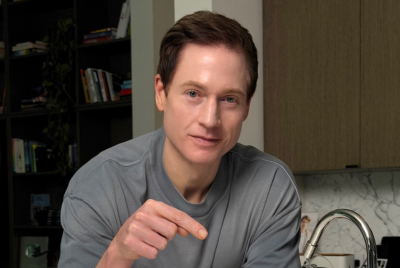
Quick Facts About Bryan Johnson, Biohacker Whose 'Live Forever' Mission Took a Shocking Turn After Incurable Disease
Bryan Johnson's autoimmune gastritis diagnosis sparks debate on biohacking and longevity science
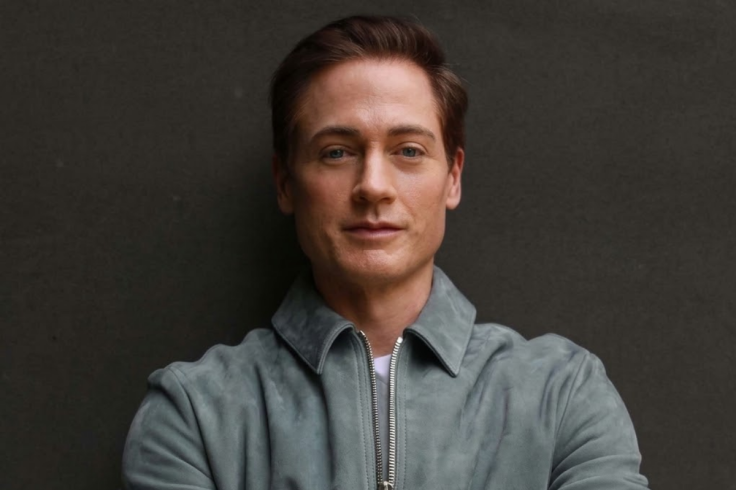
Biohacker Bryan Johnson has spent years trying to outsmart ageing, investing millions of dollars in an ambitious mission to extend his lifespan through cutting-edge science and rigorous health routines.
Now, the billionaire has revealed that he has been diagnosed with autoimmune gastritis, an incurable condition in which the immune system attacks the stomach lining.
The announcement has drawn fresh attention to Johnson's longevity project after he admitted on X that he had been wondering whether he had taken his pursuit of living longer 'too far'.
The unexpected health update has reignited debate over the limits of biohacking and whether even the most advanced anti-ageing strategies can prevent chronic illness.
Bryan Johnson and His Biohacker Journey
Bryan Johnson is an American technology entrepreneur best known for founding the payment company Braintree before turning his attention to health and longevity.
In recent years, he has become one of the world's most recognised biohackers through his Blueprint programme, which focuses on slowing or reversing the effects of ageing.
Johnson has publicly said he spends millions of dollars each year on medical testing, specialist treatments and lifestyle interventions designed to optimise his body.
His daily routine includes a tightly controlled diet, exercise programme, sleep schedule and extensive health monitoring.
He has also claimed that some of his biological markers resemble those of a much younger person, making him a prominent figure in the growing longevity movement.
What Is Bryan Johnson's Disease?
Johnson recently disclosed that he has developed autoimmune gastritis, a chronic autoimmune condition that damages the stomach lining. The disease has no known cure, although treatment can help manage symptoms and reduce complications.
Reflecting on the diagnosis, Johnson wrote on X: 'Been thinking things over and wonder if I've taken this whole longevity thing too far.'
The post marked a rare moment of uncertainty from someone who has consistently promoted scientific approaches to extending human life.
Although autoimmune gastritis does not necessarily end his longevity efforts, the diagnosis represents an unexpected development for a public figure who has dedicated years to pursuing optimal health.
The Controversial Experiments
Johnson's biohacking methods have frequently generated headlines because of their unconventional nature.
Among his most widely discussed experiments was receiving blood plasma from his teenage son as part of an effort to study whether the procedure could slow ageing. He later stopped the practice after questioning its benefits.
The entrepreneur has also shared details of his reproductive health testing, including regular assessments of sperm quality and fertility. More recently, he claimed that spending 20 minutes each day in a dry sauna while cooling his groin with an ice pack helped reduce the concentration of microplastics in his semen.
According to Johnson, the level fell from 165 particles per millilitre in November 2024 to 20 particles per millilitre by July 2025.
He has attributed much of the improvement to sauna therapy, saying it also reduced other environmental toxins in his body. Johnson has also attracted attention for claiming he had created a newborn 'clone' that could eventually contribute to medical research and future therapies.
Public Reactions to Bryan Johnson's Health Update
Johnson's post prompted a wave of responses from supporters and critics alike. Some followers encouraged him to continue pushing the boundaries of longevity research, arguing that setbacks are part of scientific progress.
On the other hand, others suggested the diagnosis was a reminder to adopt a less demanding lifestyle and focus on balance rather than relentless optimisation.
The latest update has placed Bryan Johnson's health journey back in the spotlight, with his diagnosis adding a new chapter to the ongoing public conversation about biohacking, anti-ageing science and the pursuit of a longer life.
© Copyright IBTimes 2026. All rights reserved.
- Recommended For You